



Is a 7-year-old AC Unit Considered Old?
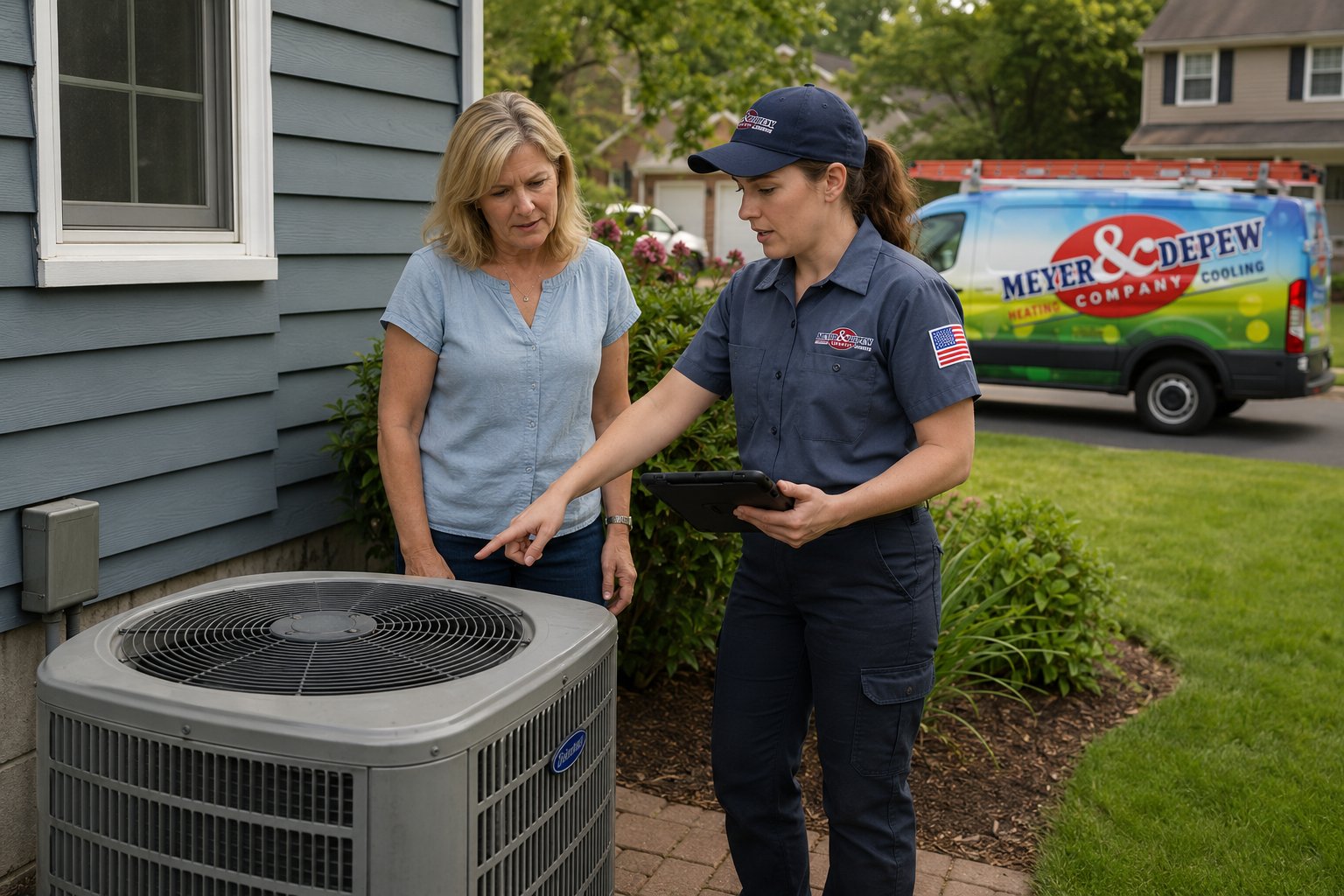
A 7-year-old AC unit is not usually considered old, but it is old enough that its condition, maintenance history, and performance matter more than the number on the calendar. In many New Jersey homes, a cooling system at this age may still have years of useful service ahead if it has been maintained well, sized properly, and kept reasonably clean.
That said, seven years is also a point where repair decisions should become more thoughtful. If your system needs frequent service, struggles during humid Central and Northern New Jersey summers, or leaves certain rooms uncomfortable, it may be time to look beyond the repair bill and consider the overall health of the system. Meyer & Depew can help homeowners evaluate AC service and maintenance needs and understand when a repair is still the practical choice.
No, a 7-year-old AC unit is not automatically old. It is more accurate to call it middle-aged. If it has had regular maintenance, cools evenly, runs without unusual noise, and does not need repeated repairs, replacement may not be necessary. If it has major repair needs, poor airflow, rising energy use, or comfort problems, a professional evaluation can help you decide whether repair or replacement makes more sense.
What seven years usually means for an AC system
At seven years old, an AC unit is typically past its newest years but not necessarily near the end of its useful life. Many systems can continue operating effectively beyond that point, especially when they receive seasonal maintenance, have clean filters, and are installed in a home with proper ductwork and airflow.
The bigger question is not simply, “How old is it?” It is, “How well is it performing for the home it serves?” A 7-year-old system that cools reliably and has a clean service history may be in better shape than a newer unit that was poorly installed, neglected, or asked to handle more cooling load than it was designed for.
New Jersey homes can be demanding on cooling equipment. Summer humidity, heat waves, older construction, additions, finished attics, and inconsistent insulation can all make an AC system work harder. That extra workload can affect how a 7-year-old unit feels in real life, even if the equipment itself is not technically old.
When a 7-year-old AC unit is probably still worth repairing
A repair often makes sense when the system has been dependable, the issue is isolated, and the rest of the equipment is in reasonable condition. For example, a worn electrical component, clogged drain line, dirty coil, or airflow restriction may be repairable without turning the situation into a replacement conversation.
Repair may also be the better short-term choice if the AC has had regular tune-ups, uses compatible parts that are still readily available, and is keeping most areas of the home comfortable. In that case, a qualified technician can inspect the system, explain the problem, and help you understand whether the repair fits the age and condition of the unit.
Homeowners should be cautious about assuming one service call means the system is failing. Even well-maintained AC units can need occasional repairs. What matters is whether the repair is reasonable compared with the system’s condition, expected performance, and recent repair history.
When replacement may be worth discussing
A 7-year-old AC unit may be young enough to repair, but there are situations where replacement deserves a closer look. Repeated breakdowns, high repair costs, uneven cooling, short cycling, poor humidity control, and noticeably higher utility use can all point to deeper concerns.
Replacement may also be worth discussing if the unit was not sized correctly, if the ductwork has ongoing airflow issues, or if the home has changed since the system was installed. Finished basements, additions, major renovations, or changes in occupancy can shift the cooling needs of a home. In those cases, the system’s age is only one part of the decision.
If you are already thinking about long-term comfort, efficiency, and reliability, it may help to review your options for AC installation and replacement before approving a major repair. That does not mean replacement is automatically the answer. It means you have clearer information before spending money on an aging system.
Factors that matter more than age alone
The same 7-year-old AC unit can be in very different condition from one home to another. Maintenance history is one of the biggest differences. A system that has been inspected, cleaned, and adjusted regularly is usually in a better position than one that has only been serviced after something goes wrong.
Installation quality also matters. Proper sizing, refrigerant charge, duct design, drainage, airflow, and thermostat setup all affect how hard the system works. If the system was not installed or balanced correctly, it may experience more wear even before it reaches a traditional replacement age.
Operating environment can play a role too. Outdoor units surrounded by leaves, mulch, shrubs, or debris may have more trouble releasing heat. Indoor systems with dirty filters or blocked return vents can struggle with airflow. Humid New Jersey weather can make these issues more noticeable because the system is working to remove moisture as well as heat.
Safe checks homeowners can do before calling
There are a few simple checks that can help you rule out common comfort issues without opening equipment or touching unsafe components. These steps are not a substitute for professional service, but they can give you useful information.
- Confirm the thermostat is set to cooling and the temperature setting is lower than the indoor temperature.
- Inspect or replace the air filter if it is dirty or overdue.
- Make sure supply and return vents are open and not blocked by furniture, rugs, or curtains.
- Look for obvious leaves, grass clippings, or debris around the outdoor unit.
- Check whether the breaker has tripped once, if it is safe to do so. If it trips again, stop and call a professional.
Do not open sealed equipment, handle refrigerant, bypass safety switches, or work on electrical components. If you notice a burning smell, smoke, sparks, or another unsafe condition, prioritize safety and contact the appropriate professional right away.
How maintenance affects the repair-or-replace decision
Routine maintenance can make a 7-year-old AC unit easier to evaluate because the system has a documented history. A technician can compare current performance against prior visits, look for developing issues, and explain whether the unit appears to be aging normally.
Maintenance may also help reduce avoidable stress on the equipment. Cleaning coils, checking electrical components, inspecting condensate drainage, and verifying safe operation can help catch issues before they become more disruptive. It cannot prevent every breakdown, but it can support more informed decisions.
For homeowners who want to stay ahead of heating and cooling needs, a recurring plan can make seasonal care easier to remember. Meyer & Depew offers service plans that help keep routine HVAC maintenance on the calendar.
When to call a professional
Call for professional AC service if the system is blowing warm air, running constantly, short cycling, making new noises, leaking water, freezing up, or failing to keep the home comfortable. These symptoms can come from several causes, and a qualified technician can evaluate the equipment instead of guessing based on age alone.
You should also schedule service if you are weighing a costly repair. At seven years old, the right answer depends on the specific repair, the system’s condition, and your comfort goals. A clear diagnosis can help you avoid replacing equipment too soon or putting money into a system that is becoming unreliable.
A 7-year-old AC unit is not automatically old. If it is reliable, maintained, and cooling well, repair and continued maintenance may be sensible. If it has repeated problems, poor comfort, or expensive repair needs, it is reasonable to compare repair against replacement before making a decision.
FAQ
Should I replace my AC just because it is seven years old?
Usually, no. Age alone is not enough reason to replace an AC unit. Performance, repair history, efficiency, comfort, and the cost of the current repair should all be considered.
Is it normal for a 7-year-old AC unit to need repairs?
Occasional repairs can be normal. Frequent repairs, repeat issues, or major component problems are more concerning and should be reviewed by a qualified technician.
Can maintenance help an AC unit last longer?
Maintenance may help reduce unnecessary strain, improve reliability, and identify problems earlier. It does not guarantee a longer lifespan or prevent every breakdown, but it is an important part of responsible system care.
What if my AC is seven years old but my home is still uncomfortable?
The problem may be the AC unit, but it could also involve airflow, ductwork, insulation, thermostat placement, humidity, or system sizing. A professional evaluation can help identify what is actually limiting comfort.
Thinking about replacing or upgrading your HVAC system?
Meyer & Depew can help you understand your options for comfort, efficiency, and long-term reliability in your New Jersey home or business.
Questions? Contact Meyer & Depew or call 908.272.2100.