

Why The Right AC Size Matters More Than The Biggest Unit Available
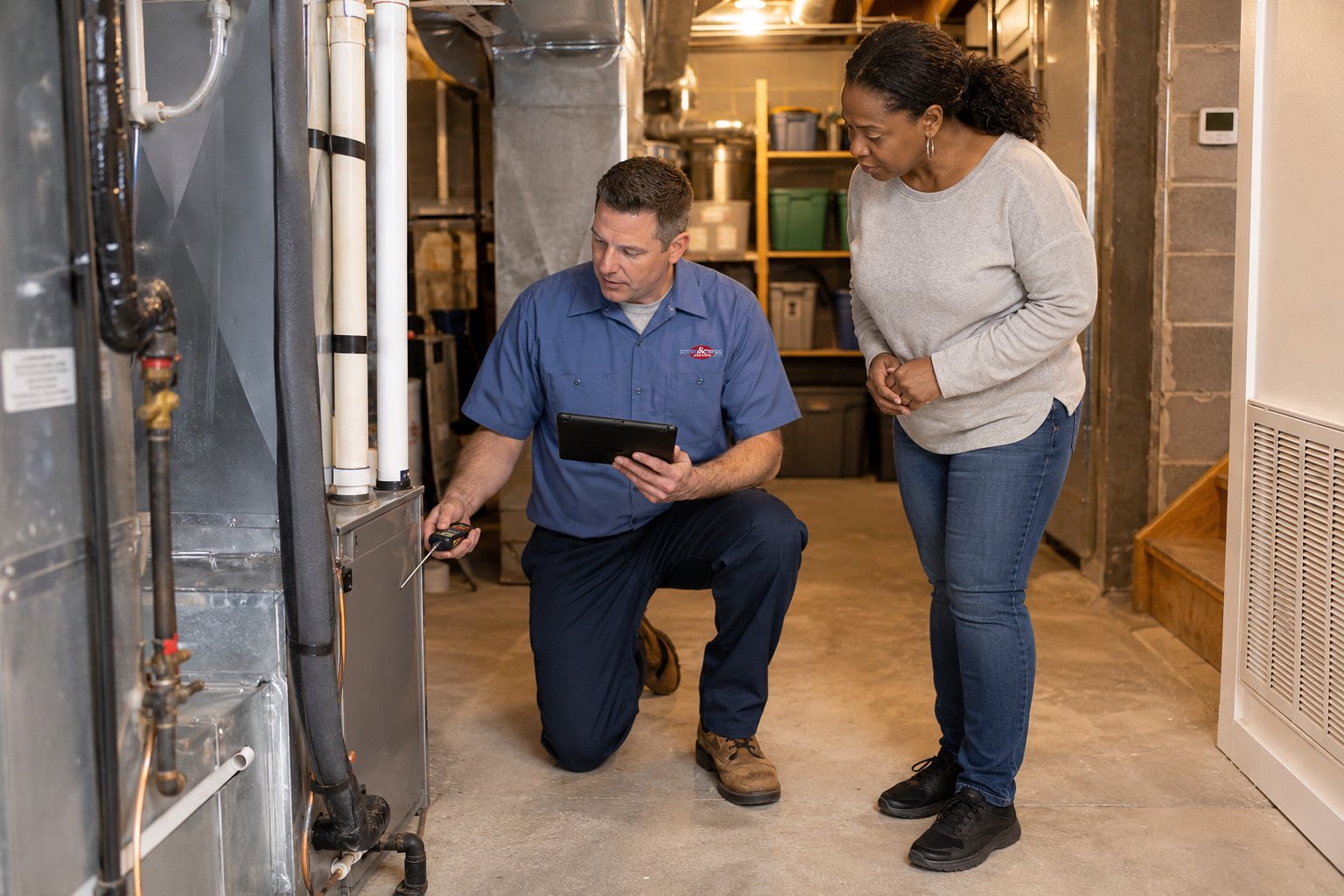
When a home struggles to cool down, it is easy to assume the answer is the biggest AC unit available. In reality, air conditioning works best when the system is sized correctly for the home, the ductwork, the insulation, the sun exposure, and the way people actually use the space. A larger unit may sound more powerful, but too much capacity can create comfort problems instead of solving them.
For homeowners in Central and Northern New Jersey, the right AC size matters because summer comfort is about more than lowering the thermostat. A properly selected system should cool the home, manage humidity, move air consistently, and operate in cycles that support efficiency and equipment reliability. If you are considering a cooling upgrade, Meyer & Depew’s AC installation and replacement services can help you understand what makes sense for your home.
The right AC size matters because an oversized or undersized system can both leave you uncomfortable. An oversized AC may cool quickly but shut off before removing enough humidity, while an undersized AC may run constantly and still fall behind on hot days. Proper sizing helps balance cooling capacity, airflow, humidity control, duct performance, and long-term comfort.
Bigger AC Units Are Not Automatically Better
An air conditioner is not like a fan where more power simply means more comfort. AC systems are designed to run long enough to pull heat and moisture from indoor air. When the unit is too large, it may satisfy the thermostat quickly, then shut down before the home feels truly comfortable.
That quick on-and-off pattern is called short cycling. Short cycling can make rooms feel clammy, leave temperatures uneven, and put extra strain on major components. The home may technically reach the number on the thermostat, but the air can still feel sticky or inconsistent, especially during humid New Jersey summer weather.
What Happens When An AC Is Oversized?
An oversized AC can create several problems that are easy to mistake for a weak or poorly performing system. The equipment may deliver cold air in short bursts, but it may not run long enough to properly dehumidify the home. That matters because humidity has a major effect on how comfortable a room feels.
- Short run times: The system may turn on and off frequently instead of running steady cooling cycles.
- Humidity issues: Indoor air may feel damp, clammy, or heavy even when the thermostat looks normal.
- Uneven comfort: Some rooms may cool quickly while others never feel balanced.
- More wear: Frequent starts and stops can be harder on equipment than longer, steadier cycles.
- Duct limitations: Existing ductwork may not be able to handle the airflow a larger system requires.
Oversizing can be especially noticeable in older homes, additions, finished attics, or houses where ducts were not designed for the equipment now being considered. A bigger outdoor unit does not fix duct design, insulation gaps, return-air limitations, or room-by-room airflow issues.
What Happens When An AC Is Undersized?
An undersized AC creates the opposite problem. Instead of cooling too quickly, it may run for long periods and still struggle to keep up. During a heat wave, the system may operate almost continuously while indoor temperatures rise above the thermostat setting.
This does not always mean the AC itself was originally sized incorrectly. A home can change over time. New additions, finished basements, converted attics, aging insulation, leaky ducts, added windows, and changes in occupancy can all affect cooling load. A system that was acceptable years ago may no longer match the way the home is used today.
Proper AC Sizing Looks At The Whole Home
Correct AC sizing is not based on square footage alone. Square footage is only one piece of the calculation. A qualified HVAC professional should consider the home’s layout, insulation, window exposure, ceiling height, air leakage, duct condition, number of occupants, and heat-producing appliances.
For example, two homes with the same square footage can need different cooling solutions. A shaded home with newer insulation and well-designed ductwork may need less capacity than a sunny home with older windows, limited return air, and rooms over a garage. In commercial or mixed-use spaces, occupancy patterns and operating hours also play a major role.
That is why a thoughtful evaluation matters before replacement. Meyer & Depew’s AC services focus on matching equipment and comfort needs rather than simply recommending the largest available system.
Humidity Control Is A Major Reason Size Matters
Cooling and dehumidification happen together, but they are not identical. An AC needs enough runtime to pull moisture from the air. If the system is oversized, it may reduce temperature quickly while leaving excess humidity behind. That can make the home feel warmer than it is, encourage people to lower the thermostat, and create unnecessary frustration.
In New Jersey, humidity is a real comfort factor. On muggy days, a properly sized AC that runs steady cycles often feels better than an oversized unit that blasts cold air briefly and shuts down. Comfort is not just the number on the wall. It is how the air feels in the rooms where people live, sleep, work, and gather.
Ductwork And Airflow Can Limit Performance
Even a high-quality AC system can perform poorly if the ductwork cannot support it. Larger equipment usually needs more airflow. If ducts are undersized, leaking, poorly balanced, or restricted, increasing system capacity may make comfort issues worse rather than better.
Common signs of airflow trouble include noisy vents, weak airflow in distant rooms, hot second floors, cold spots near supply registers, and pressure imbalances when interior doors are closed. These issues should be evaluated before choosing a larger replacement unit. Sometimes the right answer involves duct improvements, zoning, a ductless option, or better air balancing instead of simply increasing AC size.
Safe Checks Homeowners Can Make First
- Check that the thermostat is set to cooling and that the temperature setting makes sense.
- Inspect or replace the air filter if it is dirty or overdue.
- Make sure supply and return vents are open and not blocked by furniture, rugs, or curtains.
- Look for obvious leaves, weeds, or debris around the outdoor unit while keeping clear of moving or electrical components.
- If it is safe to do so, check whether the breaker has tripped once. If it trips again, stop resetting it and schedule service.
These steps can help rule out simple airflow or setting issues. They should not replace professional diagnosis. Homeowners should not open sealed equipment, add refrigerant, adjust electrical components, bypass safety controls, or attempt repairs involving refrigerant, high voltage, gas, or combustion systems.
When Replacement Planning Should Include A Load Calculation
If your AC is aging, struggling, short cycling, or leaving rooms uncomfortable, replacement may be worth discussing. The important point is that replacement should not be based only on the size of the old system. The previous unit may have been oversized, undersized, or affected by home changes that happened after installation.
A professional load calculation can help identify the cooling capacity that fits the home more accurately. It can also uncover related issues, such as duct restrictions, return-air shortages, insulation concerns, or room-by-room comfort problems. That information leads to better decisions than choosing a bigger unit because the current one is not keeping up.
FAQ About AC Sizing
Is a larger AC always more efficient?
No. A larger AC is not automatically more efficient in real-world operation. If it is oversized for the home, it may cycle too often, manage humidity poorly, and create avoidable comfort issues.
Can an oversized AC make my house feel humid?
Yes, it can. If the system cools the air too quickly and shuts off before removing enough moisture, the home may feel damp or clammy even when the thermostat setting has been reached.
How do I know if my AC is the wrong size?
Possible signs include frequent short cycling, long runtimes without enough cooling, uneven rooms, high humidity, noisy airflow, or comfort problems that continue after basic filter and thermostat checks. A qualified technician can evaluate the system and the home before recommending a solution.
Should I replace my AC with the same size unit I have now?
Not automatically. The existing size may not be the right size, especially if the home has changed or if the old system never performed well. A professional evaluation can help determine the correct capacity and configuration.
The best AC system is not the biggest one available. It is the one that matches the home’s cooling load, ductwork, airflow needs, humidity challenges, and comfort goals. Proper sizing helps the equipment do its job more consistently and helps homeowners avoid problems that a bigger unit cannot solve.
Thinking about replacing or upgrading your HVAC system?
Meyer & Depew can help you understand your options for comfort, efficiency, and long-term reliability in your New Jersey home or business.
Questions? Contact Meyer & Depew or call 908.272.2100.