

Why Older New Jersey Homes Often Have Uneven Cooling
Estimated reading time: 7 minutes
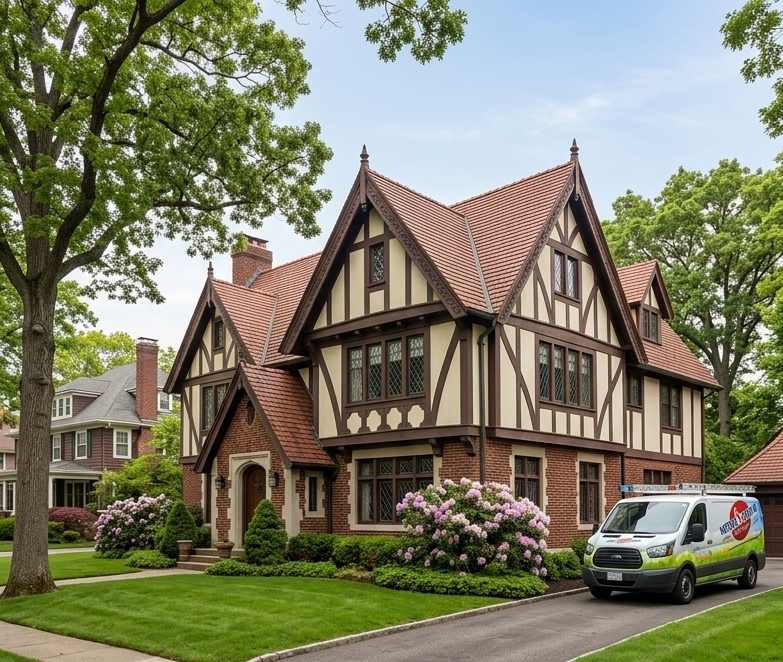
Older New Jersey homes often have character, solid construction, and layouts that were never designed around modern central air conditioning. That is one reason uneven cooling is so common in homes with additions, finished attics, basements, older ductwork, closed-off rooms, or systems that were added long after the house was built.
If one room feels comfortable while another stays warm and sticky, the issue is not always a simple matter of turning the thermostat lower. Uneven cooling can come from airflow restrictions, duct design, insulation gaps, humidity, system age, or the way the home was renovated over time. Meyer & Depew helps homeowners throughout Central and Northern New Jersey evaluate these comfort issues and choose practical solutions through residential AC services, zoning, ductless options, and maintenance.
Quick answer:
Older New Jersey homes often cool unevenly because the HVAC system, ductwork, insulation, and room layout do not always match the way the home is used today.
- Older ductwork may be undersized, leaky, poorly routed, or unbalanced.
- Additions, finished upper floors, and enclosed porches can create rooms that are harder to cool.
- Insulation and air sealing gaps can let heat and humidity creep back in.
- A single thermostat may not reflect conditions in upstairs rooms, bedrooms, or sun-exposed spaces.
- Professional evaluation can help determine whether maintenance, airflow adjustments, zoning, ductless equipment, or replacement makes the most sense.
Why older homes are more likely to have hot and cold spots
Many older homes in New Jersey were built before central AC became a standard expectation. Some originally relied on radiators, boilers, window units, whole-house fans, or natural ventilation. When central cooling was added later, the ductwork sometimes had to fit into existing walls, closets, basements, crawl spaces, or attic areas that were not designed for it.
That can create compromises. A long duct run to a second-floor bedroom may not deliver enough conditioned air. A converted attic may gain heat faster than the system can remove it. A rear addition may have different insulation, sun exposure, and airflow than the original part of the home. Even when the AC equipment itself is working, the home may not distribute cooling evenly.
Common causes of uneven cooling in older New Jersey homes
Uneven cooling usually has more than one contributing factor. In older homes, the most common issues tend to involve airflow, building design, and comfort control rather than a single obvious failure.
Older or poorly balanced ductwork
Ductwork can lose performance over time due to gaps, loose connections, crushed sections, missing insulation, or poor balancing. In some homes, the ducts were sized for heating or retrofitted into tight spaces, which can make cooling less consistent. A room at the end of a long run may receive much less airflow than a room closer to the air handler.
Second floors and finished attics
Heat rises, and upper floors also absorb heat from the roof. Finished attics, Cape Cod-style second floors, and bedrooms under rooflines can be especially difficult to keep comfortable during New Jersey heat and humidity. These spaces may need better airflow, improved insulation, zoning, or a dedicated cooling solution.
Additions and renovated spaces
Sunrooms, family room additions, finished basements, and enclosed porches often have different heating and cooling needs than the original house. If those areas were tied into the existing duct system without proper design, they may steal airflow from other rooms or never receive enough cooling in the first place.
Insulation and air leakage
Cooling problems are not always caused by the AC system. Warm outdoor air can enter through gaps around attic hatches, recessed lights, old windows, rim joists, and poorly sealed penetrations. In humid New Jersey summers, air leakage can also make rooms feel clammy even when the thermostat setting looks reasonable.
One thermostat trying to manage the whole house
A single thermostat only measures temperature where it is installed. If the thermostat is in a shaded first-floor hallway, it may shut the system off before upstairs bedrooms are comfortable. If it is near a draft, supply register, sunny wall, or kitchen heat source, it may not represent the rest of the home accurately.
When the AC system may be part of the problem
Sometimes uneven cooling points to equipment concerns. A dirty air filter, restricted coil, weak blower, low airflow, refrigerant issue, or aging system can reduce the amount of cooling delivered through the home. Homeowners should not open sealed equipment, handle refrigerant, or attempt electrical repairs, but they can pay attention to warning signs.
If the system runs constantly, short cycles, makes new noises, sends weak airflow from multiple vents, or struggles more than it used to, it may be time for a professional inspection. For ongoing performance problems, AC service and maintenance can help identify whether the issue is airflow, equipment condition, controls, or something else.
Safe checks homeowners can do before scheduling service
Safe checks before you call:
- Check the thermostat settings and make sure the system is set to cooling mode.
- Inspect or replace the air filter if it is dirty or overdue.
- Make sure supply vents and return grilles are open and not blocked by furniture, rugs, curtains, or storage.
- Look for obvious debris around the outdoor unit, keeping the area clear if it is safe to do so.
- Check whether a breaker has tripped once, if it is safe and accessible. If it trips again, call a qualified professional.
These checks can resolve simple restrictions, but they will not correct duct design problems, refrigerant issues, electrical problems, failing components, or major airflow imbalances. If cooling remains uneven after basic checks, a technician can evaluate the system more safely and accurately.
Solutions that may help older homes cool more evenly
The right solution depends on the cause. Some homes need basic maintenance or duct balancing. Others may benefit from upgraded controls, zoning, ductless equipment, insulation improvements, or eventual AC replacement. A good evaluation should look at the house as a whole, not just the outdoor unit.
Zoning and better temperature control
Zoning can divide a home into separate comfort areas so the system does not treat every room the same. This can be helpful in older homes with upstairs bedrooms, large additions, or areas with different sun exposure. Zoning systems may help improve comfort when the ductwork and equipment can support that approach.
Ductless mini splits for hard-to-cool rooms
Ductless mini split systems can be useful for additions, finished attics, bonus rooms, garages converted to living space, or other areas where extending ductwork is difficult. They provide targeted heating and cooling without relying on the original duct system, which can make them a practical option for older homes with problem rooms.
Maintenance and airflow corrections
Sometimes the best first step is cleaning, inspection, airflow measurement, filter correction, blower evaluation, or duct balancing. If the AC system is in decent condition but rooms are uneven, small adjustments may improve comfort. If the system is older, undersized, oversized, or poorly matched to the home, replacement may need to be part of the conversation.
When to call a professional
Schedule professional service when uneven cooling continues after simple homeowner checks, airflow from vents feels weak, the system runs constantly, the AC freezes up, breakers trip, or some rooms never reach a comfortable temperature. You should also call if you notice burning smells, smoke, electrical issues, water around equipment, or anything that feels unsafe.
A qualified technician can inspect airflow, equipment operation, duct performance, thermostat placement, and possible comfort upgrades. The goal is not just to make the thermostat number lower. The goal is to understand why the home is not cooling evenly and what options make sense for the way the house is built.
FAQ: uneven cooling in older homes
Is uneven cooling always caused by old AC equipment?
No. Older AC equipment can contribute to uneven cooling, but ductwork, insulation, thermostat location, room layout, sun exposure, and renovations can also play a major role.
Can closing vents help force more air into warmer rooms?
Closing vents is usually not a reliable fix and can sometimes create pressure and airflow problems. It is better to have airflow and duct balance evaluated if certain rooms are consistently uncomfortable.
Why is my upstairs warmer than my downstairs?
Upper floors gain heat from the roof and often receive less airflow from long duct runs. In older homes, insulation gaps, attic heat, and a single first-floor thermostat can make the difference feel even more noticeable.
Are ductless mini splits a good option for older New Jersey homes?
They can be a good option for certain rooms, additions, finished attics, and spaces where ductwork is limited. A professional can help determine whether ductless, zoning, duct improvements, or another approach is the better fit.
Bottom line:
Uneven cooling in an older New Jersey home is often a whole-home comfort issue, not just an AC setting issue. Airflow, ducts, insulation, humidity, layout, and equipment condition all deserve a closer look.
Need help with your heating, cooling, or HVAC system?
Meyer & Depew serves homeowners and businesses throughout Central and Northern New Jersey.
Get a quote or call 908.272.2100.