

What Causes a Sour Smell From Your Air Conditioner?
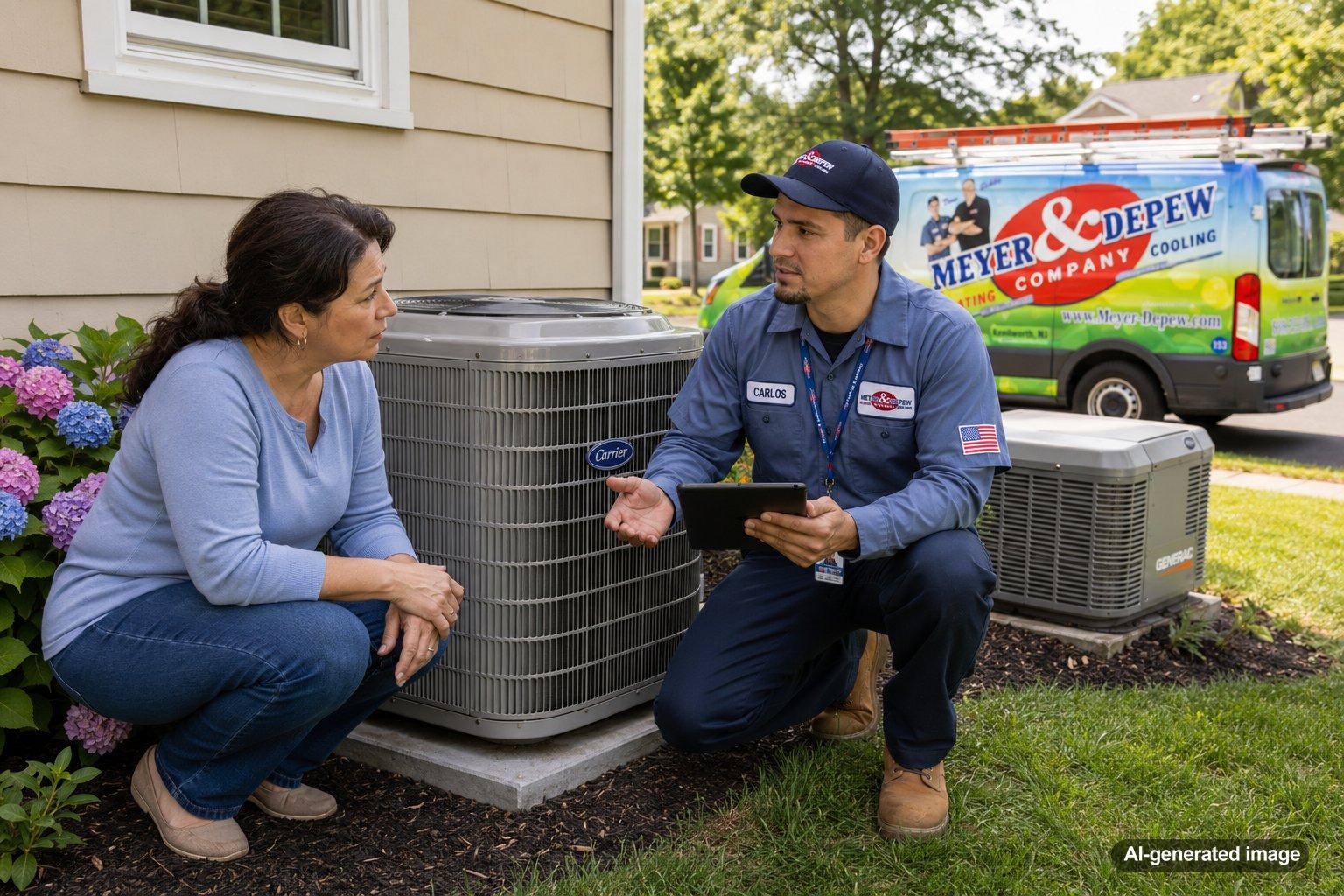
A sour smell from your air conditioner is usually a sign that moisture, dirt, organic buildup, or poor drainage has created the right conditions for odor inside the cooling system. In many New Jersey homes, summer humidity can make the problem more noticeable because your AC is constantly removing moisture from indoor air.
The smell may seem small at first, but it should not be ignored if it keeps coming back. A sour, vinegar-like, stale, or locker-room odor can point to a dirty evaporator coil, clogged condensate drain, damp ductwork, a saturated air filter, or microbial growth somewhere in the system. If the odor appears every time the cooling turns on, it is worth scheduling AC service and maintenance before the issue affects comfort, airflow, or indoor air quality.
A sour AC smell is most often caused by moisture and buildup inside the system. Common sources include a dirty coil, clogged drain line, mold or mildew growth, a wet air filter, standing water in the drain pan, or stale odors trapped in ductwork. Homeowners can safely check the filter, vents, thermostat settings, and visible drainage area, but persistent odors should be evaluated by a qualified HVAC technician.
Why An AC Can Start Smelling Sour
Your air conditioner does more than cool the air. It also pulls moisture out of your home as warm indoor air passes across the cold evaporator coil. That moisture should collect, drain away, and leave the system cleanly. When dirt, dust, pet dander, pollen, or biological material collects on damp surfaces, odors can develop.
A sour smell is often different from a burning smell, gas smell, or chemical smell. Sour odors usually point to moisture-related buildup, while electrical burning, smoke, sparks, or strong chemical odors require more immediate caution. If you ever notice smoke, a burning electrical smell, or a condition that feels unsafe, turn the system off if you can do so safely and contact a qualified professional.
Common Causes Of A Sour Air Conditioner Smell
Dirty evaporator coil
The evaporator coil sits inside the indoor portion of your AC system. Because it becomes cold during operation, moisture naturally forms on it. If dust and debris build up on the coil, that damp layer can create a sour or musty odor. A dirty coil may also reduce airflow and cooling performance, especially during hot, humid stretches in Central and Northern New Jersey.
Clogged condensate drain
Your AC produces condensate as it removes humidity from the air. That water should travel through the drain pan and drain line. If algae, sludge, or debris blocks the line, water may sit too long and develop an unpleasant odor. A clogged drain can also lead to water around the indoor unit, which should be addressed before it causes additional problems.
Wet or dirty air filter
A neglected air filter can trap dust, pollen, hair, and household odors. If the filter becomes damp or badly restricted, the air passing through it can pick up a sour smell. A heavily clogged filter can also reduce airflow across the coil, which may contribute to icing, poor comfort, and longer run times.
Mold or mildew in damp areas
Moisture plus organic material can lead to mold or mildew growth on surfaces inside the HVAC system or nearby ductwork. This does not mean every sour smell is a severe mold problem, but it does mean the source should be found rather than covered up with air fresheners. Odor control works best when the moisture issue and buildup are addressed directly.
Stale odors in ductwork or returns
Sometimes the odor is not coming from the AC equipment itself. Return ducts, supply ducts, basements, crawl spaces, closets, or utility areas can collect odors that become more noticeable when the blower runs. Older homes, finished basements, and homes with pets or high humidity may be more likely to have odor sources near returns or duct leakage points.
Safe Checks Before You Call
- Inspect or replace the air filter if it is dirty, clogged, damp, or past its recommended service interval.
- Make sure supply and return vents are open and not blocked by furniture, rugs, curtains, or storage.
- Look near the indoor unit for visible standing water, a full drain pan, or signs of leakage.
- Check the thermostat settings and make sure the fan is not set in a way that constantly circulates stale air.
- Look for obvious debris around the outdoor unit, but do not open equipment panels or attempt internal repairs.
These checks can help you spot simple issues, but they are not a substitute for professional diagnosis. Homeowners should not open sealed equipment, clean internal coils with harsh chemicals, clear deep drain blockages with unsafe methods, handle refrigerant components, or work on electrical parts.
Why New Jersey Humidity Makes AC Odors More Noticeable
During humid weather, your AC may run longer and remove more moisture from the air. That is normal, but it also means the condensate drain, coil, filter, and airflow path need to stay clean. If the system is oversized, short cycling, poorly maintained, or struggling with restricted airflow, it may not manage humidity as well as it should.
In homes across Central and Northern New Jersey, odor complaints often show up during the first sustained cooling period of the season or after a long humid stretch. A system that has sat idle can circulate dust and stale odors when it starts running again. Regular maintenance can help reduce that risk by giving a technician a chance to inspect drainage, airflow, coil condition, and general operation.
Can Air Purification Or Humidity Control Help?
Air quality accessories may help in some homes, but they should not be treated as a cover-up for a dirty or poorly draining AC system. If the smell is caused by a clogged drain, dirty coil, wet filter, or water problem, that source still needs attention. Once the system is clean and operating properly, options such as air quality and comfort solutions may be worth discussing if your home has recurring odor, humidity, or ventilation concerns.
For example, a home that feels clammy even when the thermostat is satisfied may need a closer look at system sizing, runtime, airflow, duct conditions, or humidity control. A home with stale air may benefit from ventilation improvements. The right solution depends on the actual cause, not just the odor itself.
When To Schedule Professional AC Service
Schedule service if the sour smell returns after a filter change, appears every time the AC starts, gets stronger over time, comes with weak airflow, or is paired with water around the indoor unit. You should also call if some rooms smell worse than others, if the system is short cycling, or if you suspect the odor is coming from ductwork rather than the equipment.
A qualified technician can evaluate the indoor unit, evaporator coil, condensate drain, drain pan, blower area, filter condition, duct connections, and overall system performance. They can also determine whether maintenance, cleaning, drainage repair, or a broader comfort and indoor air quality discussion is appropriate.
FAQ: Sour Smells From An Air Conditioner
Is a sour AC smell dangerous?
A sour smell is not always an emergency, but it can indicate moisture, buildup, or microbial growth that should be addressed. If the odor is accompanied by smoke, burning, electrical smells, chemical smells, or unsafe conditions, turn the system off if safe and contact a qualified professional.
Will changing the filter fix the smell?
It might help if the filter is dirty, damp, or holding odors. If the smell continues after replacing the filter, the source may be deeper in the system, such as the coil, drain pan, drain line, blower compartment, or ductwork.
Can I pour cleaner into the AC drain line?
It is better to be cautious. Some products can damage components, create fumes, or fail to clear the real blockage. If you suspect a clogged condensate drain, schedule professional service instead of experimenting with chemicals or forcing the line clear.
Why does the smell only happen when the AC first turns on?
Odors often build while the system is off and then get pushed through the home when the blower starts. This can happen with damp coils, stale ductwork, dirty filters, or moisture in the drain pan.
How can I prevent sour AC smells?
Replace filters on schedule, keep vents open, manage indoor humidity, do not ignore water near equipment, and keep up with professional AC maintenance. Preventive care can reduce the chance of odor-causing buildup, although it cannot prevent every issue.
A sour smell from your air conditioner usually means moisture and buildup are present somewhere in the cooling system. The best fix is to find and correct the source, not mask the odor. If the smell keeps returning, Meyer & Depew can help evaluate your AC system and recommend the right next step for your New Jersey home or business.
Need help with your heating, cooling, or HVAC system?
Meyer & Depew serves homeowners and businesses throughout Central and Northern New Jersey.
Get a quote or call 908.272.2100.