

What a Burning Smell From Your AC Could Mean
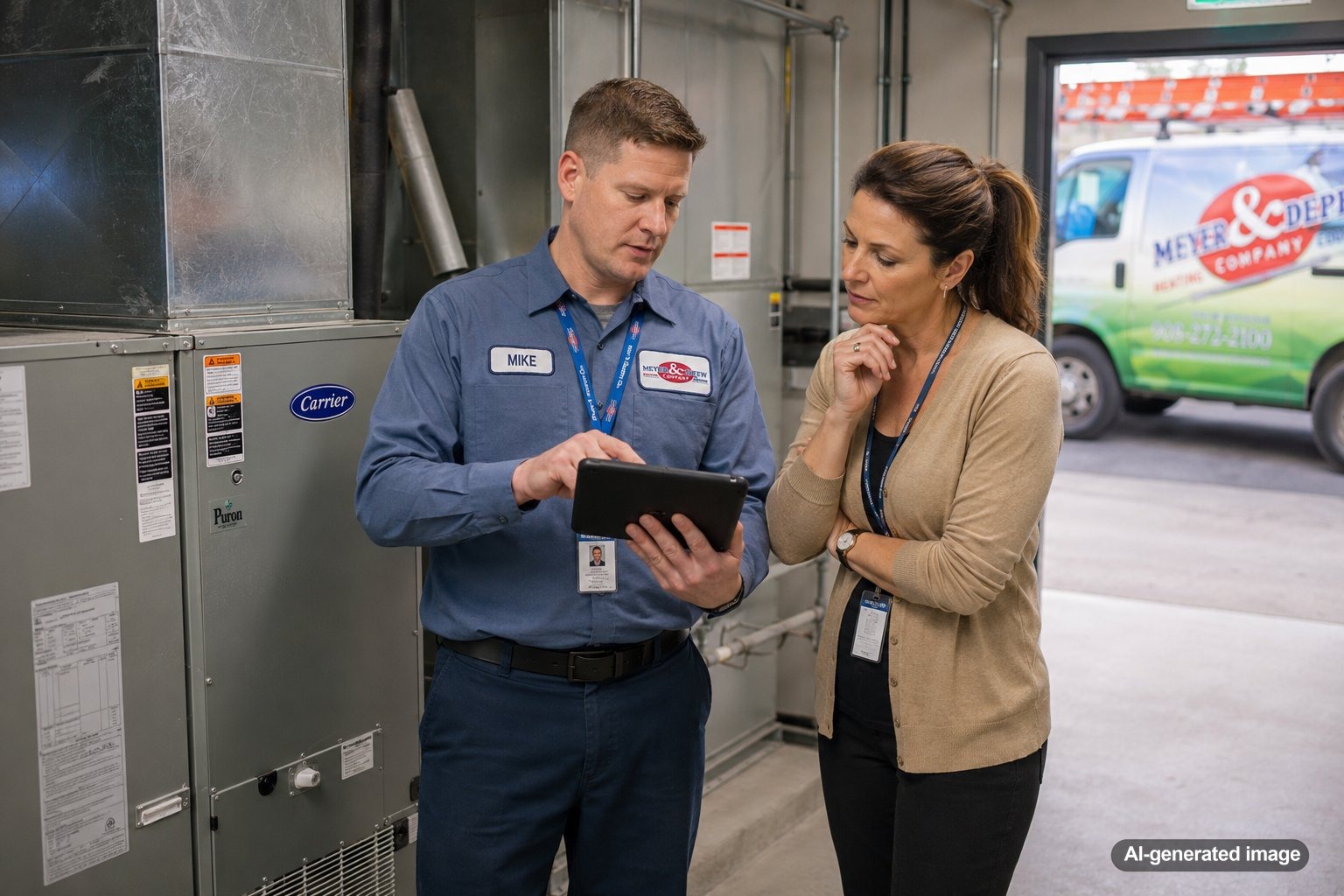
A burning smell from your AC is not something to ignore. Sometimes the cause is minor, such as dust burning off after equipment has been idle. Other times, it may point to an overheating motor, electrical problem, restricted airflow, or another issue that needs professional attention. The safest response depends on when the smell appears, how strong it is, and whether you notice smoke, sparks, warm air, or unusual system behavior.
For homeowners in Central and Northern New Jersey, AC systems often work hard through humid summer stretches. If your cooling system smells hot, smoky, or electrical, turn it off and avoid running it until the source is understood. Meyer & Depew provides AC service and maintenance for residential systems, including situations where strange odors may signal a developing problem.
A burning smell from your AC could come from dust, an overheated blower motor, worn electrical components, a clogged filter, belt or motor problems, or debris near equipment. If the odor is strong, continues after a few minutes, smells like melting plastic or electrical wiring, or comes with smoke or poor cooling, shut the system off and schedule professional service.
Why An AC Might Smell Like Something Is Burning
Your air conditioner moves a large volume of air through electrical components, motors, coils, ductwork, filters, and vents. When something is too hot, restricted, dirty, or failing, that odor can travel through the home quickly. The smell may seem like it is coming from the vents, even when the source is inside the air handler, blower compartment, duct system, or outdoor unit.
The timing matters. A light dusty smell at the first cooling cycle of the season may fade quickly. A sharp electrical odor, a smell similar to melting plastic, or any odor that gets stronger while the AC runs should be treated more seriously. AC equipment contains high-voltage components and moving parts, so it is not a safe area for trial-and-error repairs.
Common Causes Of A Burning Smell From Your AC
Dust Burning Off After Inactivity
If the system has not run in a while, dust can collect on components and inside ductwork. When the AC starts, you may notice a brief dusty or warm smell. This should fade quickly. If the odor keeps returning, grows stronger, or smells electrical rather than dusty, there may be another issue.
Restricted Airflow
A clogged air filter, blocked return, closed supply vents, or heavy debris around the outdoor unit can make the system work harder than it should. Restricted airflow can contribute to overheating, weak cooling, short cycling, and unnecessary strain on motors and electrical parts. In New Jersey homes with pets, renovations, or heavy summer AC use, filters can load up faster than expected.
Overheating Motor Or Blower Components
The blower motor helps move cooled air through the duct system. If the motor is struggling, worn, dirty, or overheating, it may create a hot or burning odor. You may also notice weak airflow, unusual humming, rattling, or the system running without cooling the home evenly.
Electrical Or Wiring Problems
A burning plastic smell, ozone-like electrical odor, buzzing, flickering lights, smoke, or repeated breaker trips can point to an electrical concern. Do not open electrical panels inside the HVAC equipment or attempt wiring repairs. Turn the system off and contact a qualified professional. If you see smoke, sparks, or signs of fire, prioritize safety and contact emergency services.
Debris Near The Outdoor Unit
Leaves, grass clippings, mulch, or other debris can collect around the outdoor condenser. While homeowners can safely clear visible debris around the unit from the outside, they should not remove panels or reach into equipment. Good clearance helps airflow and can reduce strain during hot, humid weather.
Safe Checks Before You Call
- Turn the AC off if the smell is strong, electrical, smoky, or persistent.
- Check the thermostat settings to confirm the system is in cooling mode and set reasonably.
- Inspect or replace the air filter if it is dirty or overdue.
- Make sure supply and return vents are open and not blocked by furniture, rugs, or boxes.
- Look for obvious debris around the outdoor unit, keeping clear of moving parts and electrical components.
- If the breaker has tripped, reset it only once if it is safe to do so. If it trips again, leave it off and schedule service.
These steps may help you rule out simple airflow issues, but they are not a substitute for service when the odor is electrical, recurring, or connected to poor performance. Do not open sealed equipment, bypass safety switches, handle wiring, or attempt to diagnose refrigerant or motor problems yourself.
When A Burning Smell Is An Urgent Warning
Some odors need immediate caution. Shut down the AC if you smell melting plastic, hot electrical components, smoke, or anything that resembles a fire hazard. The same applies if the odor comes with buzzing, sparks, visible smoke, repeated breaker trips, or a system that keeps trying to start and stop.
If there is active smoke, fire, or a dangerous condition, leave the area if needed and contact emergency services. If the system is off and conditions are stable, schedule professional HVAC service before running it again. A qualified technician can inspect the blower assembly, electrical components, controls, capacitors, contactors, wiring, filters, coils, and overall system operation.
Why Professional Diagnosis Matters
A burning smell is a symptom, not a diagnosis. The same odor can come from several different problems, and the right solution depends on what is actually overheating or failing. Replacing a filter may help if airflow is the issue, but it will not correct a failing motor, damaged wire, weak capacitor, or worn electrical connection.
Professional service is especially important when the AC is older, has needed frequent repairs, struggles during hot weather, or has started making new noises. In some cases, a repair may be practical. In others, especially with aging equipment and repeated electrical or motor-related problems, it may be worth discussing AC installation and replacement options.
How Maintenance Can Reduce The Risk Of Odors
Routine maintenance cannot prevent every AC problem, but it can reduce the risk of avoidable strain. During maintenance, a technician can check system operation, inspect accessible electrical components, review airflow, look for wear, and identify developing issues before they become more disruptive.
For busy homeowners, a maintenance plan can make routine care easier to keep on schedule. Meyer & Depew offers service plans that help support ongoing heating and cooling maintenance throughout the year.
FAQ: Burning Smells And AC Systems
Is it normal for my AC to smell like burning when I first turn it on?
A brief dusty smell may happen if the system has been off for a while. It should fade quickly. If the smell is sharp, electrical, smoky, or persistent, turn the system off and schedule service.
Can a dirty filter cause a burning smell?
A dirty filter can restrict airflow and make the system work harder. That added strain may contribute to overheating or hot odors, especially during heavy cooling demand. Replace the filter if it is dirty, but call for service if the smell continues.
Should I keep running the AC if the smell is mild?
If it is only a light dusty odor and fades quickly, monitor the system. If the odor remains, returns, or smells like electrical burning or melting plastic, shut the AC off and have it checked.
Why does the smell come from the vents?
The odor may be carried through the ductwork by the blower. The source could be inside the air handler, filter area, duct system, or another part of the HVAC system, even if it seems strongest at the vents.
Who should I call for an AC burning smell in New Jersey?
For a persistent or electrical burning smell, contact a qualified HVAC professional. Meyer & Depew serves homeowners and businesses throughout Central and Northern New Jersey.
A burning smell from your AC may be minor, but it can also be a warning sign. When in doubt, shut the system off, avoid DIY electrical work, and have the equipment inspected before continuing to run it.
Need help with your heating, cooling, or HVAC system?
Meyer & Depew serves homeowners and businesses throughout Central and Northern New Jersey.
Get a quote or call 908.272.2100.