



What Homeowners Should Know Before an AC Tune-up
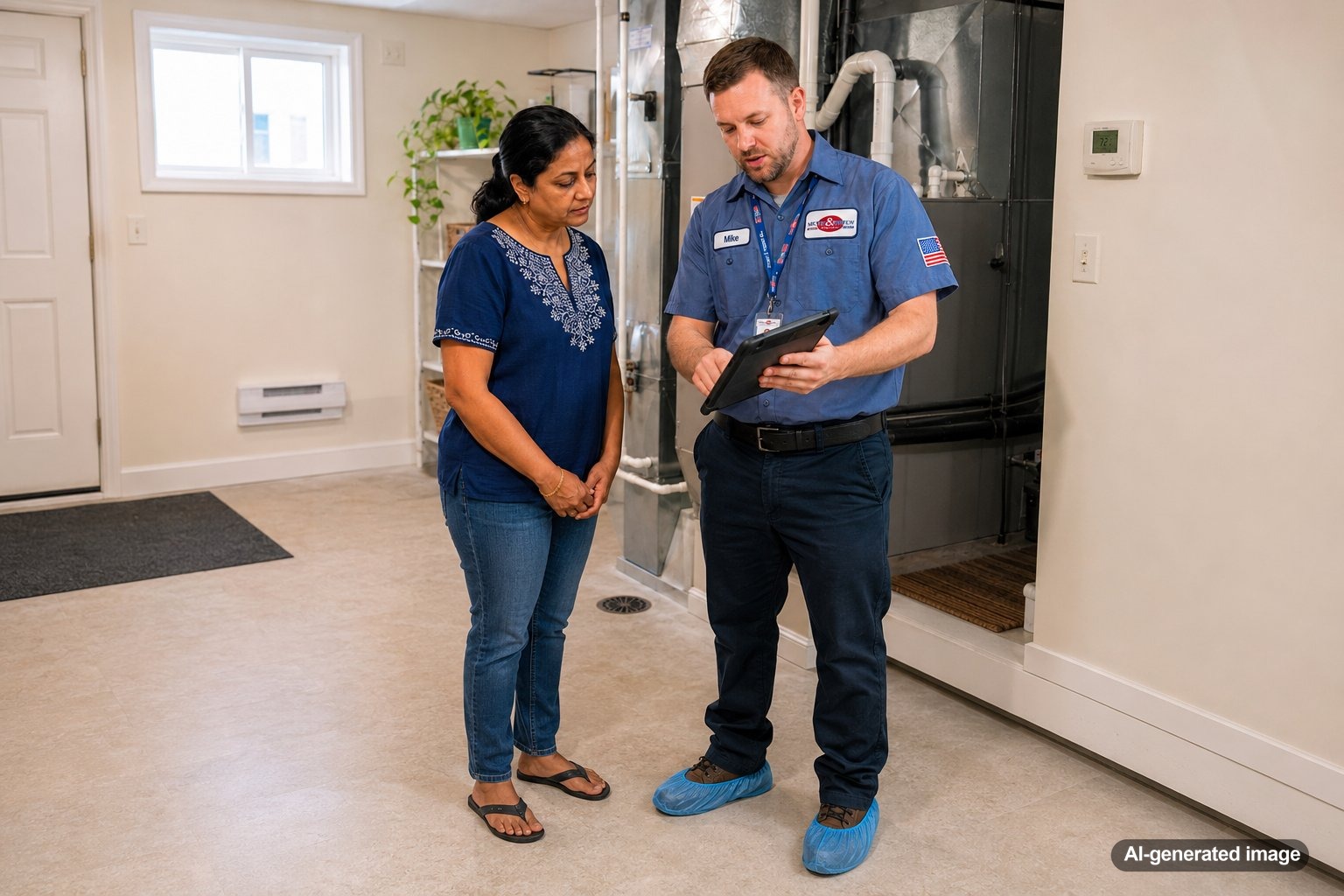
An AC tune-up is one of the simplest ways to get ahead of cooling problems before New Jersey heat and humidity put your system under real pressure. It is not a guarantee against every breakdown, but it can help a qualified technician catch airflow issues, worn components, dirty coils, thermostat concerns, and performance problems before they become more disruptive.
Before you schedule service, it helps to know what a tune-up usually includes, what you can check safely on your own, and what should be left to a professional. If your system has been running hard, making unusual noises, short cycling, or struggling to keep rooms comfortable, an appointment for AC service and maintenance can give you a clearer picture of what is going on.
Before an AC tune-up, homeowners should replace or inspect the air filter, make sure vents are open, clear obvious debris around the outdoor unit, write down any comfort concerns, and avoid opening sealed equipment or attempting refrigerant, electrical, or mechanical repairs themselves.
Why an AC tune-up matters before summer gets serious
Air conditioning systems often show small signs of trouble before they fail outright. A bedroom may feel warmer than the rest of the house, the system may run longer than usual, or the air may feel cool but clammy because humidity is not being controlled well. During a tune-up, a technician can evaluate system operation, inspect key components, check airflow, and look for conditions that may be affecting comfort or efficiency.
In Central and Northern New Jersey, cooling systems have to deal with humid days, sudden heat waves, pollen, storm debris, and homes with very different layouts. A newer townhome, an older colonial, and a larger home with additions can all place different demands on the AC system. That is why a good tune-up should be more than a quick glance at the thermostat.
What homeowners can safely check before the appointment
You do not need to diagnose the system before a technician arrives, but a few simple checks can make the visit more productive. These steps are safe for most homeowners and can help separate simple airflow problems from issues that need professional service.
- Inspect or replace the air filter if it is dirty, clogged, or past its recommended replacement window.
- Make sure supply and return vents are open and not blocked by furniture, rugs, or curtains.
- Look for leaves, grass clippings, or obvious debris around the outdoor unit.
- Check thermostat settings, including cooling mode, set temperature, fan setting, and schedule programming.
- If it is safe, check whether the breaker has tripped once. If it trips again, stop and schedule professional service.
These checks should not include removing equipment panels, handling wiring, adding refrigerant, bypassing switches, or adjusting internal parts. Those tasks can create shock, fire, equipment damage, or refrigerant exposure risks and should only be handled by a qualified technician.
What to tell your technician during an AC tune-up
The more specific you can be, the easier it is for a technician to understand how the system behaves when they are not standing in your home. Note whether the problem happens only in the afternoon, only upstairs, after the system has run for a while, or during very humid weather. Mention any recent filter changes, thermostat changes, renovations, new pets, closed rooms, or unusual utility bill patterns.
It also helps to describe sounds clearly. A rattle, buzz, hum, squeal, or grinding sound can point a technician in different directions, even though the final diagnosis still requires inspection. If the system has frozen, leaked water, stopped blowing air, or produced a burning smell, mention that when scheduling the appointment so the issue can be prioritized appropriately.
What a professional AC tune-up may include
Exact maintenance steps can vary based on system type, age, access, and condition, but a tune-up often includes checking operating performance, inspecting electrical components, evaluating airflow, reviewing thermostat operation, and looking at the condition of the indoor and outdoor equipment. A technician may also clean accessible components where appropriate and identify repair concerns that should be addressed before heavy summer use.
One commonly overlooked issue is airflow. A cooling problem is not always caused by the outdoor unit. Restricted filters, blocked returns, duct leakage, dirty indoor components, or improper fan operation may all affect comfort. Another common issue is short cycling, where the system turns on and off too frequently. That can be related to many different causes, so it should be evaluated rather than guessed at.
Questions to ask before or during the visit
A good service visit should leave you with a better understanding of your system, not just a receipt. Ask whether the system appears to be operating normally, whether any repairs are recommended, how urgent those repairs are, and whether the equipment is showing signs of age-related wear. If the system is older, ask how repair costs compare with future replacement considerations.
You may also want to ask whether recurring maintenance makes sense for your home. A residential HVAC service plan can help keep routine heating and cooling maintenance on schedule, which is especially useful for busy homeowners who do not want to remember seasonal appointments on their own.
When an AC tune-up is not enough
A tune-up can improve maintenance, identify concerns, and help reduce avoidable strain, but it is not a substitute for needed repairs. If your AC is blowing warm air, freezing repeatedly, leaking water, tripping breakers, making harsh noises, or failing to keep up during normal weather, the system may need more than routine maintenance.
Age also matters. If your cooling system is older, needs frequent repairs, uses energy heavily, or struggles to cool evenly, the conversation may shift from maintenance to repair versus replacement. That does not mean replacement is always the immediate answer, but it does mean a technician should help you understand the condition of the equipment and your practical options.
FAQ: AC tune-up basics for homeowners
How often should homeowners schedule an AC tune-up?
Many homeowners schedule cooling maintenance once a year, often before peak summer weather. The right timing can depend on system age, usage, household needs, and whether there have been recent comfort issues.
Can an AC tune-up lower my energy bills?
Maintenance may help a system operate more efficiently when issues such as dirt buildup, airflow restriction, or worn parts are affecting performance. It should not be treated as a guaranteed savings promise, especially if the system has larger repair or design issues.
Should I turn off my AC before the technician arrives?
In most cases, you can leave the system as you normally use it unless the company gives different instructions. If you smell burning, see smoke or sparks, notice flooding around equipment, or feel unsafe, shut the system down if it is safe to do so and seek qualified help.
What if my AC is working fine?
A tune-up can still be worthwhile because maintenance is often about catching developing issues before they interrupt comfort. Systems can appear to work normally while still dealing with dirty components, weak airflow, or parts that are beginning to wear.
Before an AC tune-up, focus on safe homeowner checks, clear notes about comfort problems, and realistic expectations. Professional maintenance can help you understand the condition of your cooling system and prepare it for demanding New Jersey summer weather.
Want to make HVAC maintenance easier to stay on top of?
A service plan can help keep routine heating and cooling maintenance on your calendar before small issues become bigger headaches.
You can also request a service appointment.