



Why Compressor Repairs Can Be Expensive
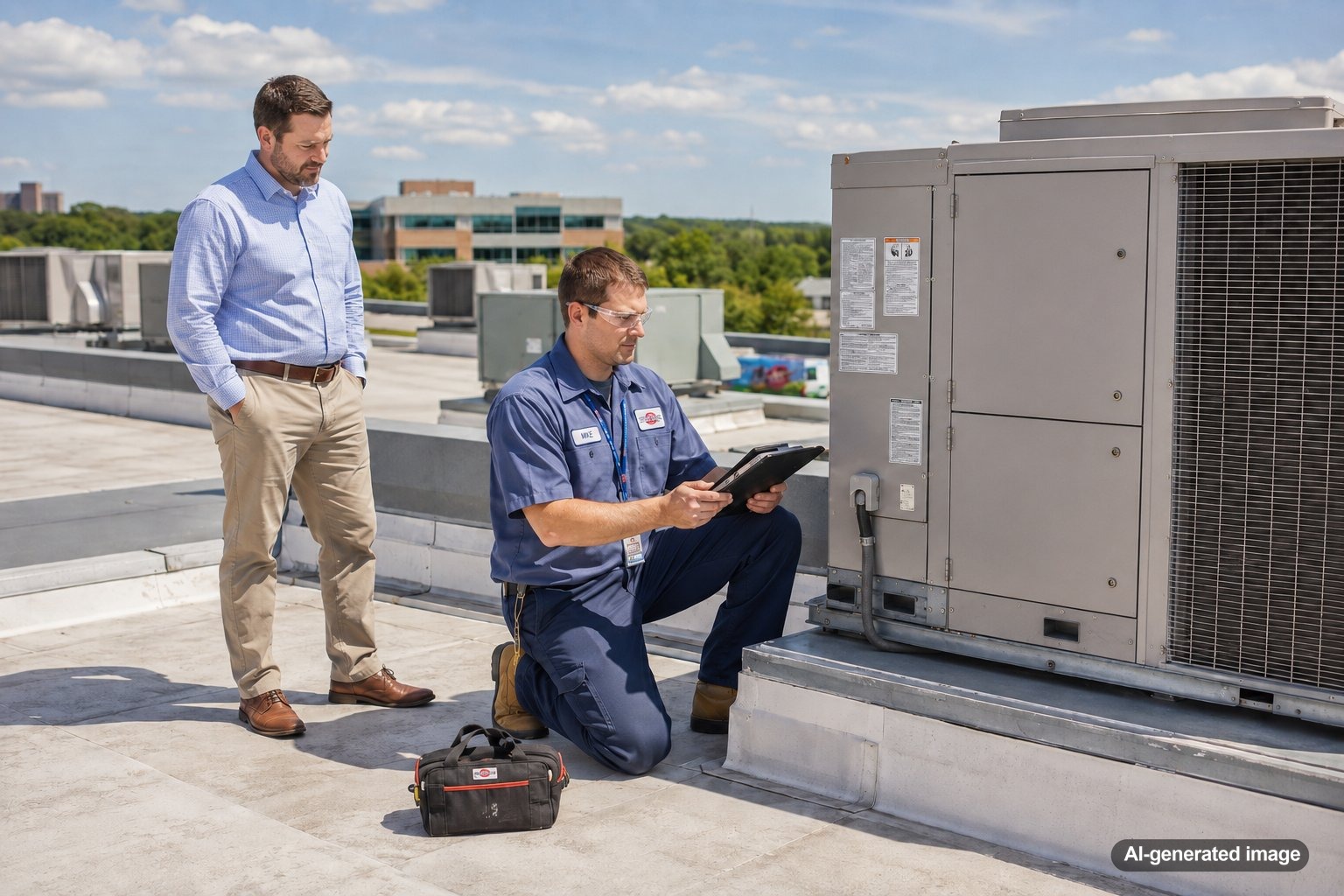
Compressor repairs can be expensive because the compressor is one of the hardest-working and most important parts of an air conditioning system. When it starts to fail, the issue often involves more than one part, more labor, and a careful diagnosis before any repair decision makes sense. For homeowners and businesses in Central and Northern New Jersey, that can be especially frustrating during hot, humid weather when the AC system is under heavy demand.
The compressor is sometimes described as the heart of the cooling system because it helps move refrigerant through the equipment. If your AC is not cooling properly, making unusual noises, tripping breakers, or struggling to keep up, a qualified technician can evaluate whether the compressor is truly the issue or whether another problem is creating similar symptoms. Meyer & Depew provides AC service and maintenance for homeowners who need a professional diagnosis before deciding what to do next.
Compressor repairs can be costly because the part itself is complex, the diagnosis must be precise, refrigerant handling requires proper licensing and equipment, and compressor failure often points to deeper system problems. In some cases, repairing the compressor makes sense. In others, especially with older equipment, replacement may be the more practical long-term choice.
Why the compressor matters so much
The compressor is responsible for pressurizing refrigerant so the AC system can absorb heat from inside the building and release it outdoors. When the compressor is not working correctly, the system may run but fail to cool, cool only slightly, short cycle, or shut down completely. Because so much of the cooling process depends on this component, compressor problems tend to affect the entire system rather than one small comfort issue.
That also means compressor repairs require more than a quick part swap. A technician has to determine whether the compressor failed on its own or whether another condition, such as low refrigerant charge, poor airflow, electrical trouble, dirty coils, or previous overheating, contributed to the problem. Replacing or repairing a compressor without addressing the underlying cause can lead to repeat failure.
The part itself is a major component
Unlike a capacitor, contactor, thermostat, or clogged filter, the compressor is a large sealed component built to handle high pressure and demanding operating conditions. The part cost alone can be a significant portion of the repair. Depending on the equipment type, system size, age, refrigerant, and availability, sourcing the correct compressor can be more involved than replacing smaller AC parts.
For commercial HVAC systems, rooftop units, and larger cooling equipment, the stakes can be even higher. A compressor problem may affect business operations, occupant comfort, sensitive equipment, or tenant satisfaction. In those situations, the repair decision often has to consider downtime, equipment age, expected reliability, and whether a planned replacement would reduce future disruption.
Diagnosis must be accurate
A weak or failed compressor can share symptoms with several other AC problems. Warm air, long run times, humming, breaker trips, frozen coils, poor airflow, or uneven cooling can come from different causes. A restricted air filter, blocked return, dirty outdoor coil, failed capacitor, damaged wiring, low refrigerant, or control issue may make the system look like it has a compressor problem when the compressor is not the original cause.
This is one reason homeowners should be cautious about assuming the worst. A proper diagnosis can help separate a true compressor failure from a repairable supporting issue. It can also help determine whether the compressor has been damaged by another condition that still needs to be corrected.
Refrigerant work adds complexity
Compressor repairs often involve the refrigerant circuit, which is not a safe or appropriate DIY area. Refrigerant must be handled with the right tools, procedures, and certifications. A technician may need to recover refrigerant, pressure test the system, evacuate moisture and air, check for leaks, and confirm that the system is operating within proper ranges after the work is complete.
If refrigerant contamination, moisture, or acid is present after a compressor failure, additional steps may be needed to help protect the new or repaired component. Skipping those steps can create future damage. That added labor and technical process is part of why compressor-related work tends to cost more than simpler AC repairs.
Electrical and airflow problems can cause repeat failures
Compressor failure is sometimes the result of another problem that went on too long. Poor airflow can cause high operating temperatures. Dirty coils can make the system work harder than it should. Electrical issues can strain the motor. Low refrigerant or leaks can affect cooling and lubrication inside the system. Short cycling can create repeated starts that are hard on compressor components.
In New Jersey homes, summer humidity and heat waves can expose these weaknesses quickly. An AC system that has been barely keeping up may run for long stretches during extreme weather, and small issues can become more noticeable. Regular maintenance cannot prevent every breakdown, but it may help catch airflow, coil, electrical, and performance concerns before they create larger problems.
Repair versus replacement is often part of the conversation
When a compressor repair is expensive, the next question is usually whether the system is worth repairing. The answer depends on several factors: the age of the equipment, how often it has needed service, whether other major parts are worn, the type of refrigerant it uses, comfort problems in the home or building, and the cost difference between repair and replacement.
A newer system with an isolated compressor issue may be a better repair candidate, especially if applicable parts coverage is available through the manufacturer or installer documentation. An older system with recurring problems may not justify a major repair. If replacement is being considered, Meyer & Depew can help evaluate options for AC installation and replacement based on comfort needs, efficiency goals, and the condition of the existing system.
- Check that the thermostat is set to cooling and the temperature setting is reasonable.
- Inspect or replace the air filter if it is dirty or overdue.
- Make sure supply and return vents are open and not blocked by furniture or rugs.
- Look for obvious debris around the outdoor unit, keeping a safe distance from moving parts.
- If it is safe to do so, check whether the breaker has tripped once. If it trips again, do not keep resetting it.
When to call a professional
Call a qualified HVAC professional if your AC is blowing warm air, making loud buzzing or grinding sounds, repeatedly tripping the breaker, struggling to cool, short cycling, or showing signs of ice on the refrigerant lines or indoor coil. You should also schedule service if the outdoor unit is running but the indoor temperature is not improving.
Do not open sealed equipment, add refrigerant, bypass switches, modify wiring, or keep resetting a breaker that continues to trip. Those issues can involve high voltage, refrigerant exposure, equipment damage, or fire risk. A professional technician can test the system safely and explain whether the issue is truly compressor-related.
FAQ
Does a bad compressor always mean I need a new AC system?
No. A bad compressor does not always mean full system replacement is required. The best choice depends on the age of the unit, repair history, refrigerant type, overall condition, and whether the repair is likely to provide reliable service afterward.
Can a compressor be repaired instead of replaced?
Sometimes related components can be repaired, but the compressor itself is typically a sealed component. Depending on the diagnosis, the recommended solution may involve replacing the compressor or addressing another issue that is affecting compressor operation.
What can cause compressor failure?
Common contributing factors can include electrical problems, poor airflow, dirty coils, refrigerant leaks, low refrigerant charge, overheating, short cycling, and age. A technician can evaluate which factors may be present in your system.
Is compressor repair worth it on an older AC system?
It depends. If the system is older, inefficient, uses aging refrigerant, or has had repeated repairs, putting money into a major compressor repair may not be the most practical option. A professional comparison of repair and replacement can help you make a better decision.
Compressor repairs can be expensive because they involve a critical component, careful diagnosis, refrigerant-side work, electrical testing, and a decision about the long-term condition of the system. The most useful next step is not guessing at the repair, but getting a clear professional evaluation.
Need help with your heating, cooling, or HVAC system?
Meyer & Depew serves homeowners and businesses throughout Central and Northern New Jersey.
Get a quote or call 908.272.2100.