



How Construction Dust Affects Ductwork and Indoor Air
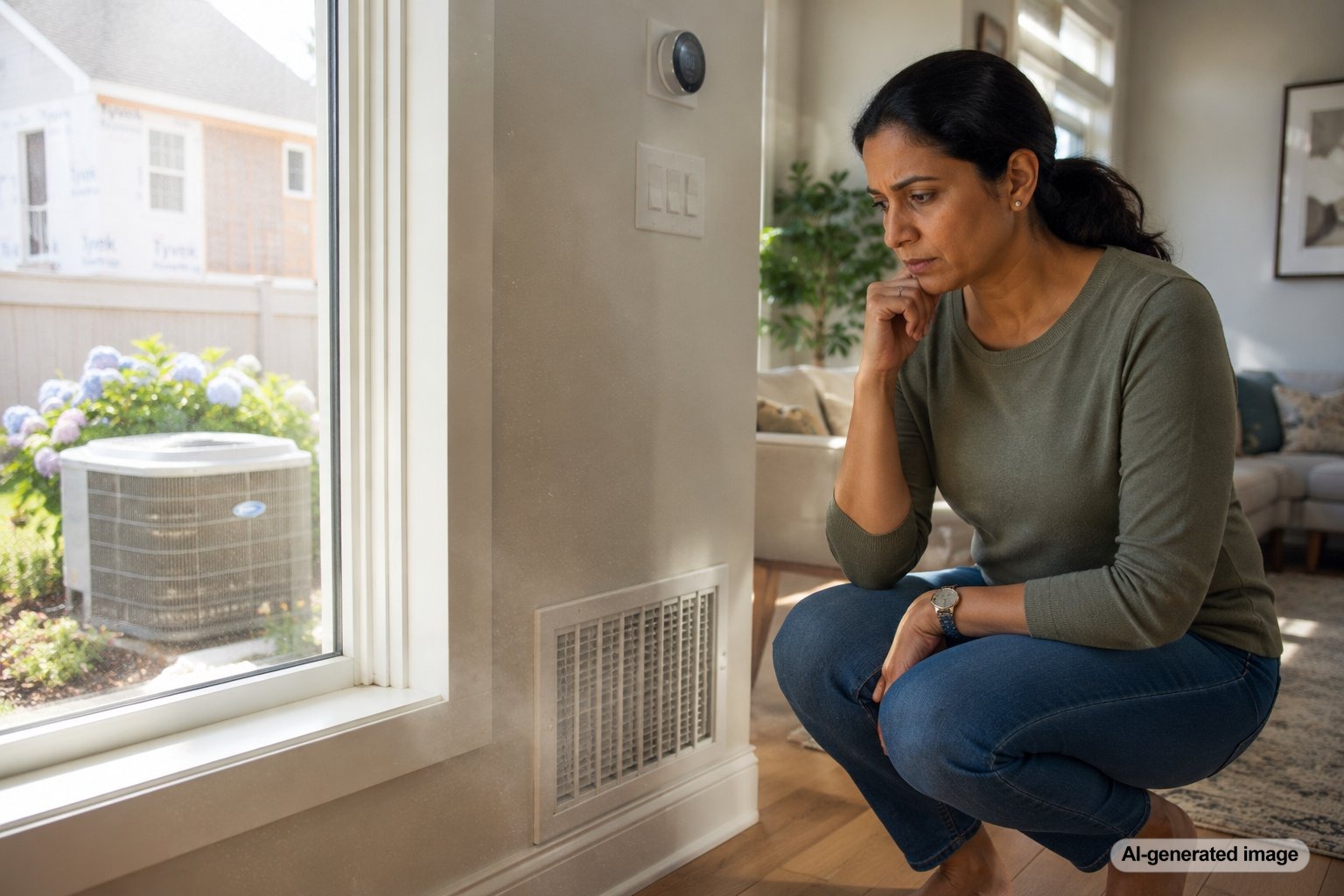
Construction dust has a way of finding places you did not expect. After a renovation, addition, basement finishing project, or commercial buildout, fine dust can settle on floors, furniture, vents, return grilles, air filters, coils, blower components, and inside accessible areas of the HVAC system. That dust is more than a cleanup nuisance. It can affect airflow, comfort, equipment performance, and the air people breathe indoors.
For homes and businesses in Central and Northern New Jersey, construction dust can be especially frustrating because HVAC systems often run during projects for heating, cooling, or temporary comfort. If dust gets pulled into the return side of the system, it may collect where air moves, filters load quickly, and small particles keep circulating. Meyer & Depew helps customers evaluate comfort and air quality and comfort concerns when a space does not feel right after construction work.
Construction dust can clog filters, coat vents and returns, settle inside ductwork, reduce airflow, and contribute to stale or dusty indoor air. The biggest risks usually happen when the HVAC system runs during dusty work, returns are left uncovered, filters are not changed often enough, or cleanup focuses only on visible surfaces. Safe homeowner checks include replacing the air filter, making sure vents are open, vacuuming return grilles, and scheduling professional service if dust, odors, weak airflow, or comfort problems continue.
Why construction dust gets into HVAC systems
Drywall sanding, saw cutting, flooring work, insulation handling, demolition, cabinet installation, masonry work, and general remodeling can release fine particles into the air. Some dust drops quickly onto surfaces, while lighter material can stay suspended long enough to be pulled toward return vents. Once that happens, the HVAC system may move dusty air through the filter and across system components.
A good filter can capture a lot of airborne debris, but filters have limits. During active construction, a filter may load much faster than it would under normal living or business conditions. If the filter becomes heavily restricted, airflow can drop, rooms may feel uneven, and the system may work harder than usual to move conditioned air.
How dust can affect ductwork
Ductwork is designed to move air, not act as a storage space for renovation debris. When dust enters the system, some of it may settle inside ducts, especially near returns, elbows, transitions, seams, and sections where airflow slows down. In some cases, dust buildup may be most noticeable around registers and grilles because air movement carries particles to those openings.
Not every dusty renovation means every duct needs cleaning. The real concern depends on how much dust entered the system, whether the HVAC equipment was running during the work, how well the work area was isolated, and whether filters were changed throughout the project. A qualified HVAC professional can help determine whether the issue is mostly filter-related, surface dust around vents, equipment contamination, or a ductwork concern that needs a closer look.
How construction dust affects indoor air
After construction, people often notice a fine film returning to surfaces even after cleaning. That can happen when dust remains in return grilles, supply registers, duct openings, filters, or nearby cavities. Each time the system runs, air movement may lift settled particles and distribute them through the space.
Dust can also make indoor air feel stale or irritating, particularly for people who are sensitive to airborne particles. It may not always be an HVAC problem alone. Construction cleanup, ventilation, filtration, humidity, project containment, and the condition of the duct system all play a role. For ongoing concerns, air purification systems may be worth discussing as part of a broader indoor air quality plan.
Signs construction dust may be affecting airflow or comfort
Several clues can point to dust-related HVAC trouble after a project. One common sign is a filter that looks dirty again shortly after replacement. Another is dust collecting around supply vents, return grilles, or ceiling diffusers. You may also notice weak airflow, rooms that heat or cool unevenly, longer run times, or a system that sounds strained compared with normal operation.
Commercial spaces can have additional complications. Offices, retail spaces, medical offices, and nonprofit facilities may have changing occupancy patterns, larger return paths, rooftop units, ceiling plenums, or areas where construction dust travels beyond the immediate work zone. For businesses, dust control should be part of both construction planning and post-project HVAC review.
- Replace or inspect the HVAC air filter, especially if the system ran during construction.
- Make sure supply and return vents are open and not blocked by furniture, tools, boxes, or plastic sheeting.
- Vacuum visible dust from registers and return grilles without pushing debris deeper into the system.
- Look for obvious dust around the equipment cabinet, but do not open sealed panels or touch electrical components.
- Schedule professional service if airflow, odors, dust, or comfort issues continue after basic cleanup.
Why filters matter after renovation work
The air filter is often the first line of defense, but it is also one of the first parts to suffer during dusty construction. A filter that normally lasts for weeks or months may become dirty much sooner after drywall sanding or demolition. Once loaded, it can restrict airflow and reduce system performance.
Changing the filter after the project is important, but timing matters. If construction is still active, one filter change may not be enough. Some projects require more frequent filter checks until the dust-producing work is finished and the space has been cleaned. Homeowners and property managers should use filters that match the system requirements rather than installing an overly restrictive filter without professional guidance.
What professional HVAC service can evaluate
A professional visit can help separate normal post-construction dust from a deeper HVAC issue. A technician may check filter condition, airflow, visible dust at registers and returns, blower operation, coil condition where accessible, and signs that dust has moved into areas where it can affect system performance. The goal is not to guess. It is to identify what is actually happening before recommending the next step.
If the system was heavily exposed during construction, service may be especially helpful before peak heating or cooling season. For homeowners, that can support more reliable comfort. For businesses, it can reduce disruption and help keep indoor conditions more consistent for employees, tenants, visitors, and customers. Routine maintenance through service plans can also make it easier to keep HVAC care on schedule after a major project.
How to reduce HVAC dust problems during future projects
The best time to think about HVAC protection is before construction starts. Contractors should isolate dusty work areas when possible, avoid using the HVAC system as a cleanup tool, and keep returns protected in active work zones. Temporary dust control, proper ventilation, and responsible cleanup can reduce how much material reaches the duct system.
Homeowners and building managers should also plan filter changes around the project schedule. If the HVAC system must run during construction, filters may need to be checked more often. After the work is complete, cleaning visible surfaces, vacuuming vents and returns, and scheduling HVAC service when needed can help the building return to normal conditions.
FAQ: Construction dust, ductwork, and indoor air
Should I run my HVAC system during construction?
It depends on the project, the weather, and how well the work area is contained. Running the system during dusty work can pull particles into returns and filters. If the system must run, dust containment and frequent filter checks become more important.
Does construction dust mean I need duct cleaning?
Not always. Some post-construction dust problems are related to loaded filters, dusty grilles, poor containment, or incomplete cleanup. If dust keeps returning, airflow feels weak, or the system was heavily exposed, a qualified professional can evaluate whether duct cleaning or another service is appropriate.
Can construction dust damage HVAC equipment?
Heavy dust exposure may contribute to restricted airflow or buildup on components that need clean air movement to operate properly. A technician can inspect accessible areas and recommend service if dust is affecting performance.
How soon should I change the filter after renovation work?
Check the filter during the project and again after major dust-producing work is complete. If it looks dirty, replace it with the correct filter type for your system. During especially dusty projects, filters may need attention more often than usual.
What if the air still feels dusty after cleaning?
If visible cleaning and filter replacement do not solve the problem, the issue may involve return paths, duct dust, equipment contamination, ventilation, or filtration. Professional HVAC service can help identify the likely source.
Construction dust can affect more than the surfaces you can see. If it reaches the HVAC system, it may load filters, settle near vents and returns, reduce airflow, and keep indoor air feeling dusty after the project is over. Careful cleanup, proper filtration, and professional HVAC evaluation can help protect comfort and indoor air quality.
Need help with your heating, cooling, or HVAC system?
Meyer & Depew serves homeowners and businesses throughout Central and Northern New Jersey.
Get a quote or call 908.272.2100.