



Why Summer Thunderstorms Can Trigger AC Problems
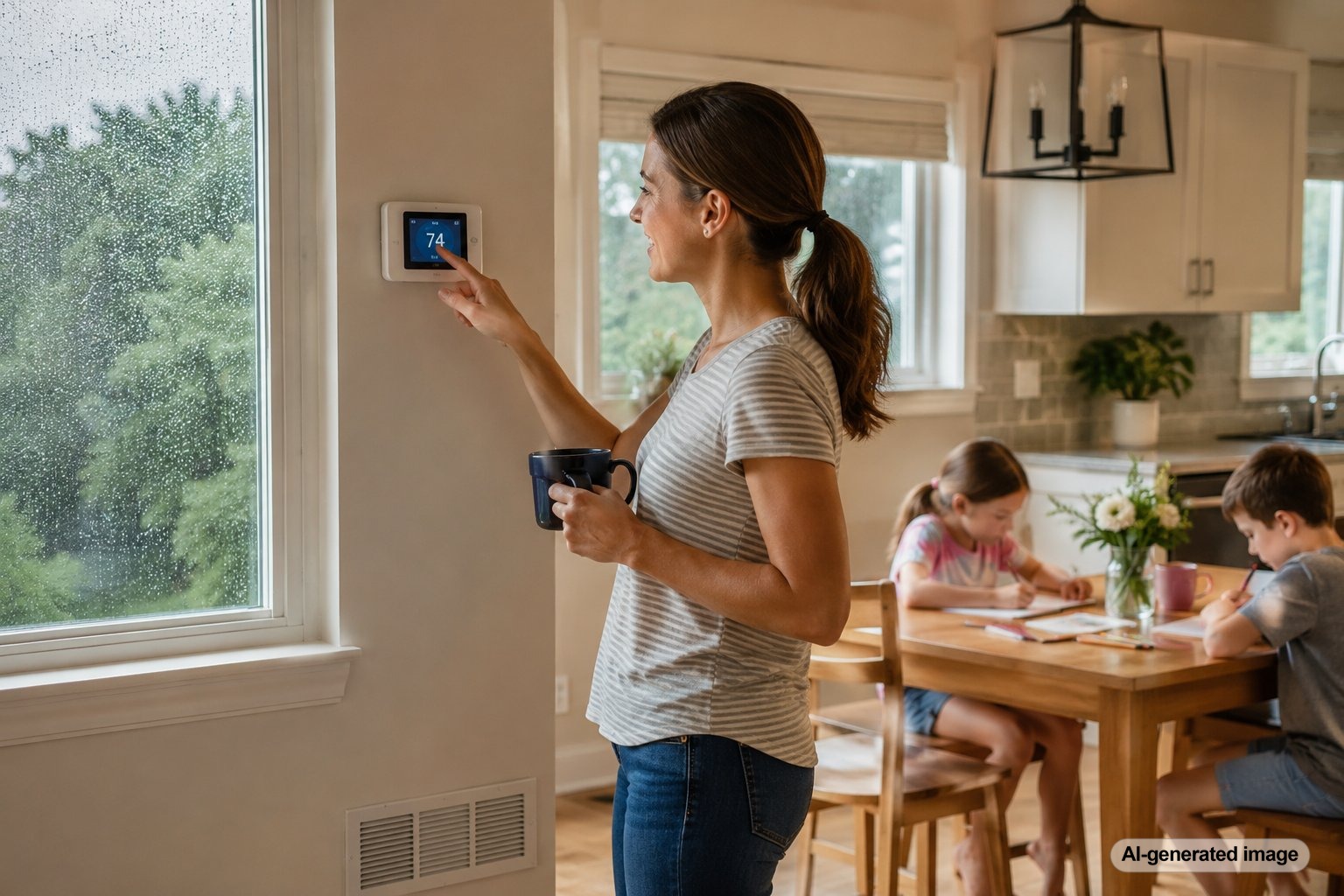
Summer thunderstorms can be hard on an AC system, especially in Central and Northern New Jersey where heavy rain, high humidity, wind, and power interruptions can show up in the same afternoon. An air conditioner that worked normally before a storm may start blowing warm air, shutting off unexpectedly, tripping a breaker, or struggling to pull humidity out of the home afterward.
Storms do not always cause dramatic, obvious damage. Sometimes they expose a weakness that was already developing, such as a dirty coil, restricted airflow, aging electrical components, or a system that has been working overtime through hot, humid weather. If your cooling feels different after a storm, it is worth paying attention before the problem turns into a longer outage. For ongoing cooling issues, Meyer & Depew can help with AC service and maintenance for homes throughout Central and Northern New Jersey.
Summer thunderstorms can trigger AC problems through power surges, tripped breakers, flooded or debris-covered outdoor units, humidity spikes, blocked airflow, and stress on aging parts. Homeowners can safely check thermostat settings, the air filter, vents, visible outdoor debris, and a tripped breaker once if it is safe. If the AC keeps shutting down, makes unusual noises, smells electrical, or will not cool after basic checks, schedule professional service.
How Thunderstorms Stress Your AC System
An AC system depends on steady electrical power, clear airflow, proper drainage, and outdoor equipment that can release heat. A summer thunderstorm can interfere with several of those needs at once. Lightning nearby, utility interruptions, and voltage fluctuations may affect electrical components. Wind can send leaves, twigs, and loose debris into the outdoor unit. Heavy rain can leave equipment sitting in poor drainage areas. Humidity can climb quickly and make the system work harder even after the storm passes.
That combination is why a storm-related AC issue may not look like one single failure. A homeowner might notice that the system turns on but does not cool well, the indoor air feels sticky, the outdoor unit is unusually loud, or the thermostat seems to call for cooling longer than usual. These symptoms can point to several possible causes, so it is important not to assume the exact problem without a qualified inspection.
Common AC Problems After A Summer Thunderstorm
Several storm-related conditions can cause cooling trouble. Some are simple to spot from the outside, while others require testing by a technician.
- Power interruptions or surges: A brief outage or voltage change can trip a breaker, affect controls, or strain electrical parts inside the system.
- Debris around the outdoor unit: Leaves, branches, mulch, and storm debris can restrict airflow around the condenser, making it harder for the system to release heat.
- Excess moisture and poor drainage: Heavy rain can reveal drainage problems around outdoor equipment or contribute to water concerns near indoor components.
- Humidity overload: After a storm, the AC may need to run longer to manage both temperature and moisture, especially if the home is already warm and damp.
- Dirty filters or restricted airflow: A system that was already struggling with airflow before the storm may have a harder time recovering afterward.
- Aging electrical or mechanical components: Contactors, capacitors, motors, and controls that are already worn may fail during periods of storm stress and high cooling demand.
Why Humidity Matters After Heavy Rain
Many homeowners focus only on the number shown on the thermostat, but comfort after a thunderstorm is often about humidity. When outdoor air is damp and heavy, your AC has to remove moisture while also cooling the home. If the system is oversized, short cycling, low on airflow, or not running long enough, the house may feel clammy even if the temperature looks reasonable.
Humidity also makes small AC problems feel bigger. A slightly dirty filter, weak airflow, or poorly maintained system may still limp through a mild day, but it can struggle when a storm is followed by thick, warm air. If certain rooms stay sticky, vents feel weak, or the system runs constantly without improving comfort, the issue may involve airflow, equipment condition, controls, or the overall setup of the home. Indoor comfort solutions, including humidity and airflow options, may also be worth discussing through Meyer & Depew’s air quality and comfort services.
Safe Checks Homeowners Can Make Before Calling
- Confirm the thermostat is set to cooling and the temperature setting is below the current room temperature.
- Inspect or replace the air filter if it is dirty or clogged.
- Make sure supply and return vents are open and not blocked by furniture, rugs, or storage items.
- Look for obvious leaves, branches, or debris around the outdoor unit without reaching into the equipment.
- Check whether the breaker has tripped once, if it is safe to do so. If it trips again, do not keep resetting it.
- Keep the area around the outdoor unit clear so air can move freely.
These checks are meant to stay on the safe side. Homeowners should not open sealed HVAC panels, handle wiring, bypass safety switches, add refrigerant, or try to diagnose high-voltage equipment. If you notice a burning smell, smoke, sparks, flooding around equipment, or any unsafe condition, prioritize safety and contact the appropriate emergency service, utility, or qualified professional.
When A Storm-Related AC Issue Needs Professional Service
It is time to schedule service when the AC will not restart, keeps tripping the breaker, blows warm air, makes grinding or buzzing sounds, leaks around indoor equipment, or runs for long periods without cooling the home. You should also call if the outdoor unit appears damaged, the fan is not running while the system is calling for cooling, or the problem returns after a basic reset.
A technician can evaluate electrical components, airflow, refrigerant-related performance, condensate drainage, thermostat operation, and the outdoor unit safely. The goal is not just to get the system running for the moment, but to understand whether the storm caused a new issue, exposed a maintenance problem, or revealed that older equipment is becoming less reliable during summer demand.
How Maintenance Can Reduce Storm-Season Surprises
Routine AC maintenance cannot prevent every breakdown, especially during severe weather, but it can reduce the risk of avoidable problems. A well-maintained system is more likely to have clean coils, clear drainage, proper airflow, and components that have been checked before peak summer stress. For New Jersey homes, that matters because thunderstorms often arrive during the same season when AC systems are already working hard through heat and humidity.
Maintenance is also helpful because it creates a baseline. If a technician has recently checked the system, it is easier to identify what changed after a storm. Homeowners who want a more structured approach to routine care can review Meyer & Depew’s service plans for ongoing heating and cooling maintenance.
FAQ: AC Problems After Summer Thunderstorms
Should I turn off my AC during a thunderstorm?
You do not always need to turn off your AC for every storm, but if there is severe lightning, repeated power flickering, or an outage in progress, turning the system off at the thermostat can help avoid short cycling when power is unstable. If you are unsure or conditions are unsafe, put personal safety first.
Why is my AC blowing warm air after a storm?
Warm air after a storm could be related to a tripped breaker, electrical component issue, outdoor unit problem, airflow restriction, thermostat setting, or another cooling system fault. Check safe basics first. If the issue continues, schedule professional service instead of trying to open or repair the equipment yourself.
Can heavy rain damage my outdoor AC unit?
Outdoor AC units are built to handle normal rain, but severe weather, flooding, poor drainage, flying debris, and electrical events can cause problems. If the unit was submerged, damaged, or sounds unusual afterward, have it inspected before relying on it.
Why does my home feel sticky after a thunderstorm even when the AC is running?
High humidity after a storm can make the home feel uncomfortable even if the thermostat temperature is close to the setting. The cause may be normal moisture load, restricted airflow, short cycling, thermostat settings, duct issues, or equipment performance. A technician can help determine what is happening.
Is it safe to reset a tripped AC breaker?
If it is safe and you are comfortable doing so, you can reset a tripped breaker once. If it trips again, do not keep resetting it. Repeated tripping can point to an electrical or equipment problem that should be handled by a qualified professional.
Summer thunderstorms can create the perfect mix of power disruption, humidity, debris, and system stress. If your AC acts differently after a storm, start with safe homeowner checks, then call for service if cooling does not return to normal.
Need help with your heating, cooling, or HVAC system?
Meyer & Depew serves homeowners and businesses throughout Central and Northern New Jersey.
Get a quote or call 908.272.2100.