



Why Ductless Cooling Works Well for Older New Jersey Homes
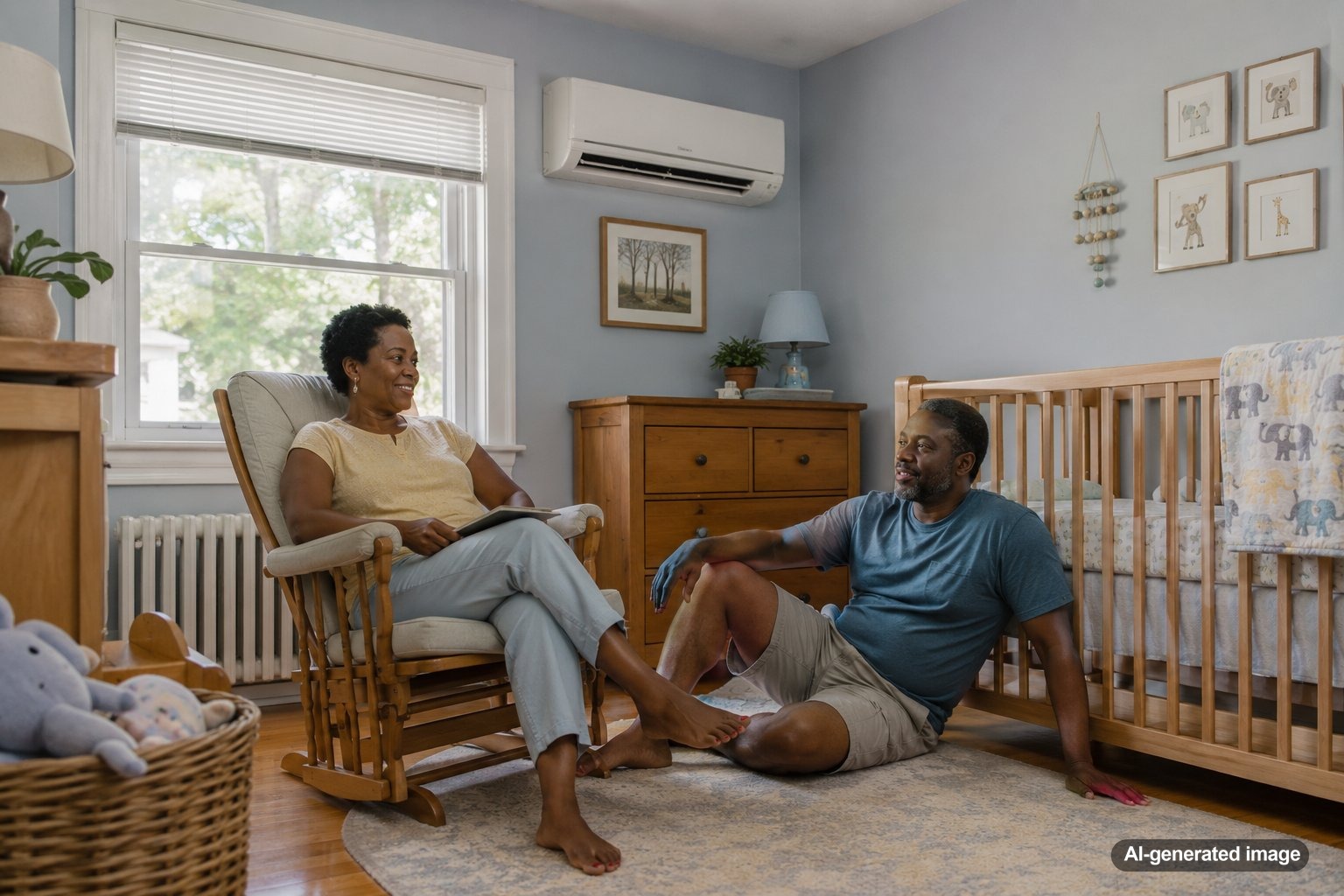
Ductless cooling works well for older New Jersey homes because it can add targeted comfort without forcing a historic or older house to accept a large duct renovation it was never designed for. Many homes across Central and Northern New Jersey were built before central AC became common, and their layouts often include closed-off rooms, finished attics, additions, sunrooms, plaster walls, tight chases, and limited space for ductwork.
Instead of pushing one central system to cool every room through ducts, ductless mini split systems use indoor units connected to an outdoor unit, allowing comfort to be managed room by room. That makes them especially useful when an older home has uneven temperatures, limited duct access, or rooms that never seem to cool properly during a humid New Jersey summer.
Ductless cooling is a strong fit for many older homes because it reduces the need for major ductwork, supports zoned comfort, helps hard-to-cool rooms, and can often be planned around the home’s existing structure.
Older Homes Often Were Not Built Around Central AC
Many older homes were designed for radiators, boilers, window units, or natural ventilation rather than central air conditioning. Adding full ductwork later can be complicated because ducts need space, clearance, and sensible paths through walls, ceilings, closets, basements, or attics.
In some houses, installing ducts may mean lowering ceilings, opening finished walls, sacrificing closet space, or making compromises that affect the look and function of the home. Ductless cooling can avoid much of that disruption because it does not require the same large duct network.
Ductless Cooling Solves Room-by-Room Comfort Problems
Older New Jersey homes often cool unevenly. One bedroom may feel stuffy, the attic may hold heat, the kitchen may warm up in the afternoon, and a back addition may never match the rest of the house. These problems are common when the home’s layout has changed over time or when a central system was added after the house was built.
Ductless systems are useful because each indoor unit serves a specific area. That room-by-room approach can help with:
- Finished attics that trap heat
- Sunrooms and additions that were not tied into the original HVAC plan
- Bedrooms over garages or under rooflines
- Home offices that need daytime cooling while the rest of the house is less occupied
- Older homes with closed floor plans and limited air movement between rooms
For homes with multiple comfort zones, zoning systems may also be worth discussing with a qualified HVAC professional. The right answer depends on the structure, existing equipment, duct condition, and how the family uses the home.
Less Ductwork Can Mean Fewer Hidden Airflow Problems
When ducts are added to a house that was not designed for them, the result can sometimes be less efficient or less comfortable than expected. Duct runs may be squeezed through tight spaces, placed in hot attics, or routed in ways that make airflow harder to balance.
Ductless cooling avoids many of those duct-related issues. Because conditioned air is delivered directly into the room or zone, there is less reliance on long duct paths, return-air balancing, and hidden duct leakage. That does not mean ductless is perfect for every home, but it does make the design cleaner for many older properties.
Ductless Systems Can Preserve More of the Home’s Character
Older homes often have details homeowners do not want to disturb: plaster walls, original trim, built-ins, decorative ceilings, narrow stairways, or finished third floors. A full duct retrofit may require more invasive work than the homeowner expects.
A ductless installation still needs careful planning, proper equipment sizing, refrigerant line routing, electrical work, and professional installation. However, it can often be designed with less impact on the home’s visible structure than a traditional ducted retrofit.
When Ductless Makes the Most Sense
Ductless cooling is especially worth considering when the goal is to improve comfort in specific areas rather than replace every part of the home’s HVAC system at once. It can work as a primary cooling solution in some homes or as a supplemental option in rooms that a central system does not serve well.
| Older home situation | Why ductless may help |
|---|---|
| No existing ductwork | Adds cooling without building a full duct system from scratch |
| Finished attic or third floor | Targets a hot upper level that may not cool evenly from the main system |
| Older addition or sunroom | Provides dedicated comfort for a space that was not part of the original HVAC design |
| Closed-off floor plan | Lets individual rooms or areas be conditioned more directly |
What Homeowners Should Think About Before Choosing Ductless
A good ductless design is not just about picking a unit for the wall. The contractor should consider room size, insulation, window exposure, ceiling height, equipment placement, condensate drainage, electrical requirements, outdoor unit location, and how the system will look inside and outside the home.
Homeowners should also think about how they want to use the space. A guest room, home office, finished basement, primary bedroom, and sunroom may all have different comfort needs. The best design should match the home’s layout and the daily routines of the people living there.
- Make a list of rooms that are consistently too warm in summer.
- Note whether the problem happens all day or mainly in the afternoon sun.
- Check that existing supply and return vents are open and not blocked, if the home has ducts.
- Look at whether the problem area has poor insulation, large windows, or limited shade.
- Avoid opening sealed HVAC equipment or attempting electrical or refrigerant work yourself.
When to Call a Professional
Call a qualified HVAC professional if your older home has persistent hot rooms, no ductwork, uncomfortable additions, or an aging cooling system that cannot keep up. A professional can evaluate whether ductless cooling, central AC upgrades, zoning, or another solution makes the most sense.
Proper sizing matters. An oversized system may short cycle, while an undersized system may struggle during hot and humid weather. Installation details also matter, especially in older homes where wall construction, drainage, electrical access, and outdoor placement can be more complicated than they first appear.
FAQ About Ductless Cooling in Older New Jersey Homes
Can ductless cooling replace window AC units?
In many cases, yes. Ductless cooling can provide a more permanent room-by-room cooling option than window units, but the right setup depends on the home’s layout, comfort goals, and installation conditions.
Is ductless only for homes without ductwork?
No. Ductless can also help homes that already have central AC but still struggle with specific rooms, additions, finished attics, or spaces that are difficult to reach with existing ducts.
Will one ductless unit cool the whole house?
Sometimes one unit can handle an open area, but many older homes have closed-off rooms that need multiple indoor units or a different system design. A professional load calculation and layout review are important.
Does ductless help with humidity?
Ductless systems can help manage comfort during humid weather when properly sized and installed, but they should not be treated as a cure-all for every humidity issue. Ventilation, insulation, drainage, and overall HVAC design may also matter.
Ductless cooling works well for many older New Jersey homes because it respects the limits of the structure while giving homeowners more control over specific rooms and comfort problems.
Thinking about replacing or upgrading your HVAC system?
Meyer & Depew can help you understand your options for comfort, efficiency, and long-term reliability in your New Jersey home or business.
Questions? Contact Meyer & Depew or call 908.272.2100.