

What AC Problems Should Not Wait Until Tomorrow?
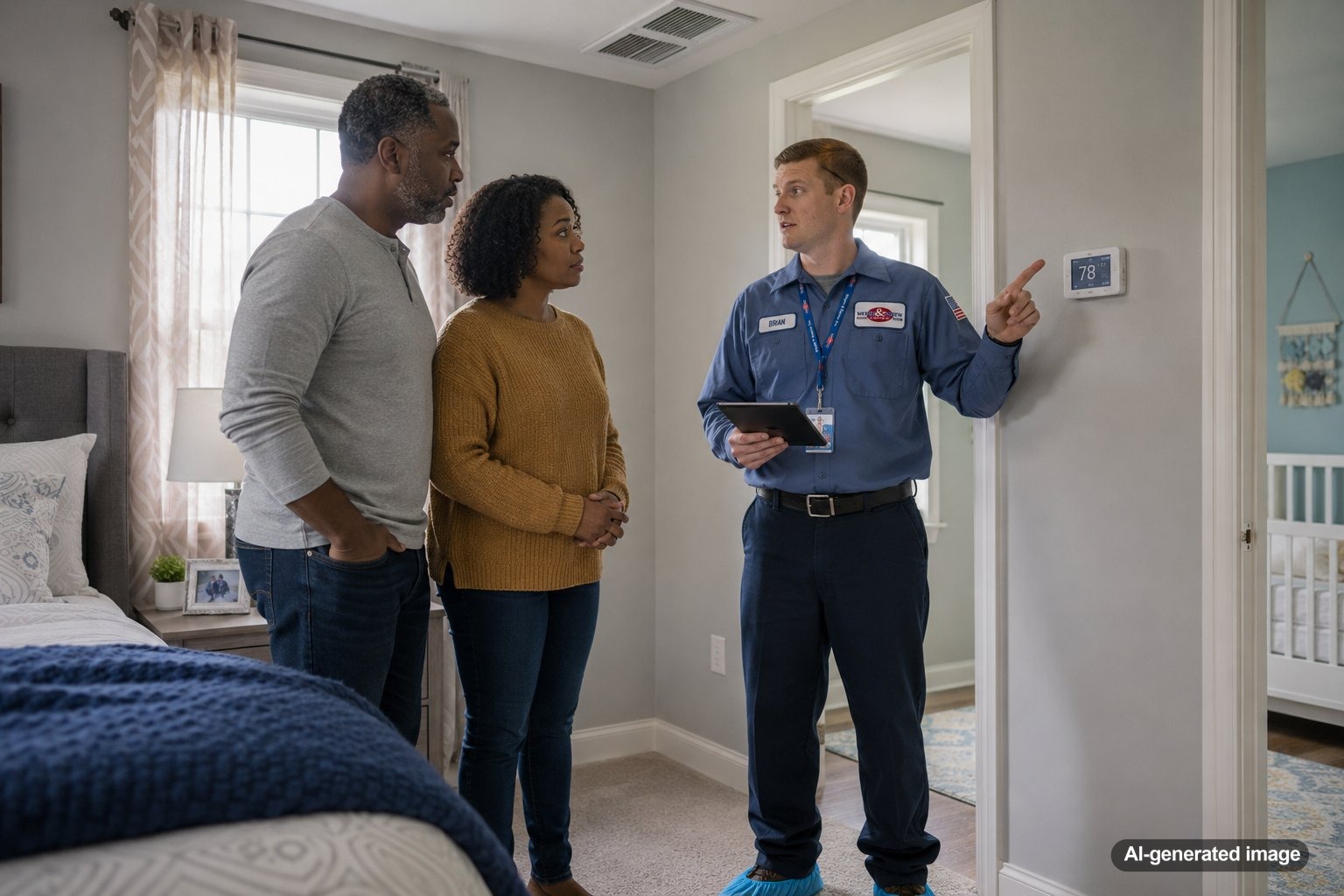
Some air conditioning problems can wait until a convenient appointment. Others should be addressed as soon as possible because continuing to run the system could create a safety risk, cause additional damage, or leave your home without cooling during hot New Jersey weather. Burning odors, smoke, repeated breaker trips, major water leaks, and unusual electrical behavior are all reasons to stop and take the situation seriously.
The safest response depends on what you notice. A homeowner can check basic items such as thermostat settings, filters, vents, and visible debris, but electrical, refrigerant, and internal equipment problems require qualified service. Meyer & Depew provides professional AC service and maintenance throughout Central and Northern New Jersey.
Do not wait until tomorrow if your AC is producing smoke or a burning smell, repeatedly tripping a breaker, leaking enough water to threaten the home, making violent mechanical noises, or showing signs of an electrical or refrigerant problem. Turn the system off when it is safe to do so and contact a qualified HVAC professional.
Smoke, Sparks, or a Burning Smell
Smoke, visible sparks, or a strong electrical burning odor should never be treated as a minor comfort issue. These symptoms may indicate overheated wiring, a failing motor, damaged electrical components, or another condition that could create a fire or shock hazard.
If you see smoke or flames, leave the area and contact emergency services. If there is a burning smell without visible fire, turn the AC off at the thermostat if you can do so safely. Do not open equipment panels or attempt to inspect wiring. Contact a qualified HVAC technician promptly.
A brief dusty smell can sometimes occur when a system starts after sitting unused, but an odor that smells like melting plastic, hot wiring, or scorched insulation is different. When you are uncertain, it is safer to stop the equipment and have it evaluated.
A Breaker That Keeps Tripping
A circuit breaker can occasionally trip because of a temporary electrical condition. A homeowner may check the electrical panel and reset the breaker once if the panel is dry, accessible, and there are no signs of heat, smoke, or damage. If the breaker trips again, leave it off.
Repeated trips may be associated with a failing compressor, motor problem, short circuit, damaged wiring, or an overloaded electrical component. Continually resetting the breaker can expose the system to further damage and may create a safety concern. This is not a problem to postpone or troubleshoot by opening the equipment.
Water Leaking Near Ceilings, Walls, or Electrical Components
A small amount of condensation in the proper drain path is normal. Water pooling around an indoor air handler, dripping through a ceiling, soaking drywall, or reaching electrical components is not normal and should be addressed promptly.
Common possibilities include a clogged condensate drain, a damaged drain pan, a frozen coil that is thawing, or an improperly operating condensate pump. Even when the AC itself is still cooling, water can damage flooring, insulation, ceilings, and nearby belongings.
Turn the system off if water is spreading or approaching electrical equipment. Do not handle wet electrical components. Move valuables away from the affected area when it is safe, and arrange professional service before the damage expands.
A Frozen Indoor Coil or Ice on Refrigerant Lines
Ice on the refrigerant line or indoor coil is a sign that the system is not operating normally. Restricted airflow, a heavily clogged filter, blower problems, low refrigerant, or other mechanical conditions may contribute to freezing.
Continuing to run a frozen AC can make the ice buildup worse and may strain the compressor. Turn cooling off and allow the system to thaw naturally. Do not chip the ice, apply heat, or attempt to add refrigerant.
You can inspect the air filter and confirm that supply and return vents are open and unobstructed. If the filter is dirty, replace it with the correct type. Professional evaluation is still appropriate, especially if the system freezes again after airflow restrictions have been addressed.
Loud Grinding, Screeching, Banging, or Metal-on-Metal Noise
Air conditioners make normal startup and airflow sounds, but sudden grinding, screeching, repeated banging, or metal-on-metal noise can signal a loose or damaged component. A motor bearing, blower wheel, fan blade, compressor, or mounting component may be involved.
Running the unit while a part is striking, dragging, or coming loose could increase the repair scope. Shut the system off and avoid restarting it until a technician can inspect the equipment. A minor rattle from an exterior panel may be less urgent, but violent or rapidly worsening noises deserve immediate attention.
A Strong Chemical Odor or Suspected Refrigerant Leak
Refrigerant circulates in a sealed system and should not require routine homeowner handling. If you hear persistent hissing, notice oily residue near refrigerant lines, experience a sudden loss of cooling, or detect an unusual chemical odor near the equipment, turn the system off and arrange professional service.
Do not touch suspected refrigerant residue or attempt to seal a leak. Refrigerant work requires specialized equipment, training, and proper handling. A technician can determine whether the symptom is related to refrigerant or another source.
The AC Stops Cooling During Dangerous Indoor Heat
A complete loss of cooling is not always an equipment emergency, but it can become a health and safety concern when indoor temperatures rise quickly. Older adults, infants, people with certain medical conditions, and pets may be especially vulnerable during prolonged heat.
Check the thermostat settings, inspect the filter, confirm that vents are open, and look for a tripped breaker once if it is safe. If the system still does not operate, schedule service. Use fans only where appropriate, close blinds on sun-facing windows, limit heat-producing activities, and consider relocating vulnerable household members to a cooler location.
You can request a residential service appointment when an AC failure requires professional attention.
Short Cycling That Is Rapid or Repeated
Short cycling occurs when the AC starts and stops more frequently than expected. A single unusual cycle may not be urgent, but repeated startups every few minutes can place substantial stress on the compressor and electrical components.
Possible contributors include thermostat problems, airflow restriction, frozen coils, electrical faults, overheating, or an improperly sized system. Check that the thermostat is set correctly and that the filter and vents are not restricting airflow. If rapid cycling continues, turn the system off and call for service rather than allowing it to repeat for hours.
Safe Checks Before You Call
- Confirm that the thermostat is set to cooling and the temperature setting is below the room temperature.
- Inspect the air filter and replace it if it is visibly dirty.
- Make sure supply vents and return grilles are open and not blocked by furniture or belongings.
- Look for obvious leaves, weeds, or debris restricting airflow around the outdoor unit.
- Check a tripped breaker once only if there is no smoke, heat, water, burning odor, or visible electrical damage.
- Write down any error codes, noises, odors, leaks, or patterns to share with the technician.
Do not remove access panels, bypass safety switches, handle refrigerant lines, work on electrical wiring, or continue resetting a breaker. Those steps can create additional hazards and may make the underlying problem worse.
When a Problem Can Usually Wait for a Scheduled Appointment
Not every AC concern requires immediate service. Mild uneven cooling, a thermostat that needs adjustment, a slightly noisy vent, or gradually increasing energy use may allow time for a standard appointment, provided there is no smoke, burning odor, leak, electrical problem, or rapidly worsening condition.
Even less urgent symptoms should not be ignored indefinitely. Weak airflow, rising humidity, longer run times, and recurring temperature differences can point to maintenance needs or developing equipment problems. Addressing them early may reduce the chance of a more disruptive breakdown.
Frequently Asked Questions
Should I turn off my AC if it smells like it is burning?
Yes. Turn the system off at the thermostat if you can do so safely. If you see smoke or fire, leave the area and contact emergency services. Do not open equipment panels or inspect electrical parts yourself.
Can I keep running my AC if there is ice on the line?
No. Continuing to operate a frozen system may worsen the condition and strain major components. Turn cooling off, allow the ice to thaw naturally, inspect the filter and vents, and schedule service if freezing occurred or returns.
Is an AC water leak an emergency?
It can be urgent when water is spreading, damaging ceilings or flooring, or reaching electrical components. Turn the system off when appropriate, avoid wet electrical areas, and arrange prompt service.
Why should I not keep resetting the AC breaker?
A breaker that trips repeatedly is responding to an electrical condition. Repeated resets do not correct the cause and may expose the system to further damage. Leave the breaker off after a second trip and contact a professional.
What information should I give the HVAC technician?
Describe when the issue began, whether the system starts, any breaker activity, unusual noises or odors, visible water or ice, thermostat readings, and any recent filter or maintenance changes. These details can help the technician prepare for the visit.
AC problems involving smoke, burning odors, electrical behavior, major leaks, ice, severe mechanical noise, or dangerous indoor heat should not wait. Stop the system when it is safe, protect people and property, and have the equipment evaluated by a qualified professional.
Need help with your heating, cooling, or HVAC system?
Meyer & Depew serves homeowners and businesses throughout Central and Northern New Jersey.
Get a quote or call 908.272.2100.