



Why Your AC Feels Colder in Some Rooms Than Others
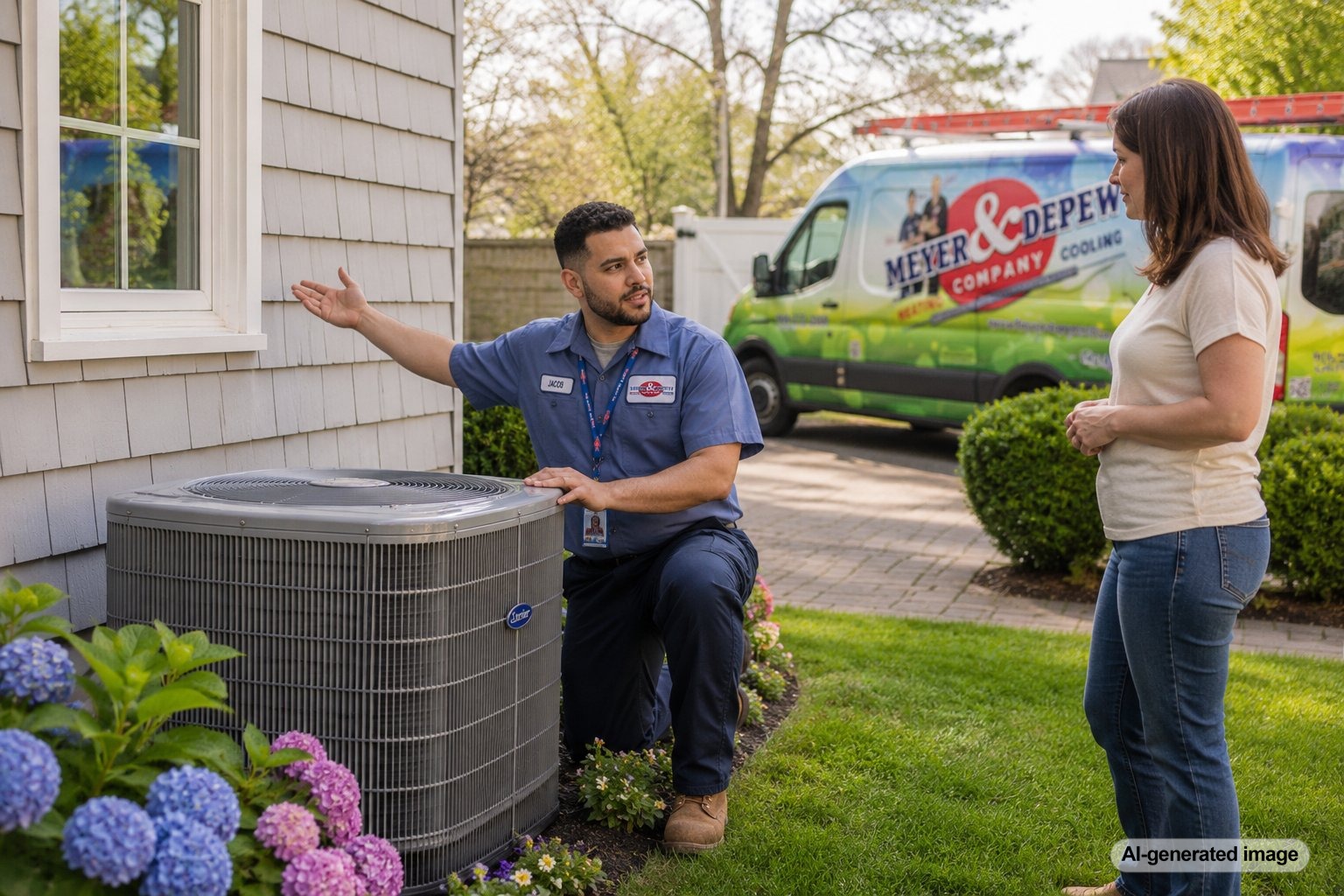
If one bedroom feels like a walk-in cooler while the room across the hall stays warm, your AC is not necessarily failing. Uneven cooling usually means conditioned air is not reaching every space in the same amount, at the same speed, or under the same heat load. The cause may be as simple as a blocked return or closed vent, but it can also involve duct design, insulation, air leakage, thermostat location, or a system that was never balanced for the way your home is used.
Room-to-room temperature differences are especially noticeable during humid New Jersey summers, when upper floors, sunny rooms, additions, and finished spaces can gain heat faster than the rest of the house. Understanding the pattern can help you decide whether you need a simple adjustment, professional AC service and maintenance, or a more targeted comfort solution.
Your AC may feel colder in some rooms because of uneven airflow, duct leakage, poor insulation, sun exposure, thermostat placement, or differences in how each room gains and loses heat.
- Check that supply and return vents are open and unobstructed.
- Inspect or replace a dirty air filter.
- Notice whether the problem is tied to one floor, one side of the house, or certain times of day.
- Schedule professional service if the imbalance is persistent, getting worse, or paired with weak airflow, unusual noise, or long run times.
Why Some Rooms Get More Cold Air Than Others
A central AC system does not cool rooms independently. It moves cooled air through a network of supply ducts and pulls warmer air back through return ducts. For rooms to feel similar, the system needs reasonably balanced airflow and each room needs a comparable ability to resist outside heat.
That balance can be disrupted in several ways. A short duct run may deliver strong airflow to a nearby room, while a distant bedroom receives less. A room with large west-facing windows may gain far more afternoon heat than an interior hallway. An upstairs room may stay warmer because heat rises and the attic above it is hot, even when the vent is delivering air normally.
The result is often a thermostat that is satisfied before the hardest-to-cool room reaches a comfortable temperature. The AC shuts off based on the temperature where the thermostat is located, not based on the temperature in every room.
Common Reasons Your AC Feels Colder in Certain Rooms
Uneven or restricted airflow
Furniture, rugs, curtains, or closed vent louvers can reduce airflow into a room. A blocked return grille can also limit circulation through a section of the home. Even when a vent is open, a crushed, disconnected, poorly sized, or overly long duct may deliver less air than expected.
Duct leakage
If conditioned air escapes through loose joints or damaged ductwork before it reaches a room, that space may receive weak airflow. Ducts running through a hot attic, crawl space, or garage can also pick up heat if they are poorly insulated. The rooms served by those ducts may feel warmer than rooms closer to the air handler.
Different heat loads from room to room
Two rooms of the same size can behave very differently. A corner bedroom with two exterior walls, a dark roof above it, and afternoon sun may need more cooling than a shaded interior room. High ceilings, large windows, skylights, electronics, and frequent occupancy can all increase the amount of heat the AC must remove.
Insulation and air sealing problems
Missing attic insulation, gaps around recessed lights, leaky windows, or poorly sealed exterior walls can let heat enter one room faster than another. In older New Jersey homes, additions and remodeled spaces sometimes have different insulation levels from the original structure, creating a noticeable comfort divide.
Thermostat location
A thermostat near a cool return-air path, shaded hallway, or strongly supplied room may reach the set temperature quickly. Meanwhile, a sunny upstairs room is still warm. The opposite can happen when a thermostat sits near a heat source or draft, causing the system to run longer and overcool other rooms.
One system serving multiple floors
A single-zone system serving both the first and second floors often struggles to maintain identical temperatures everywhere. Heat naturally collects upstairs, and the airflow needed in July may differ from what works in January. Manual damper adjustments can sometimes help, but they should be evaluated carefully so the system still receives proper airflow.
An oversized or undersized AC system
An oversized system may cool the area near the thermostat quickly and shut off before air has circulated evenly. It may also run shorter cycles, which can reduce humidity removal and make some rooms feel clammy even when they are cool. An undersized system may run for long periods and still fail to keep up with the hottest rooms. System size is only one factor, so a qualified technician should evaluate the full comfort picture rather than assuming capacity is the problem.
The Pattern Often Points to the Cause
Before changing settings repeatedly, pay attention to when and where the difference appears. A simple temperature log can reveal useful clues.
- One upstairs room is warm all day: Look at attic insulation, duct condition, airflow, and sun exposure.
- West-facing rooms get hot after lunch: Solar heat gain through windows may be a major factor.
- Rooms farthest from the equipment are warmer: Long duct runs, leakage, or balancing issues may be involved.
- A nearby room is much colder than the rest: It may be receiving too much supply air or may have a lower heat load.
- The difference is worse with bedroom doors closed: Return-air pathways may be limited.
- The whole home feels uneven and airflow is weak: A dirty filter, blower issue, duct restriction, or other system problem could be contributing.
Safe Checks You Can Make Before Calling
- Make sure every supply vent is open and not covered by furniture, bedding, rugs, or curtains.
- Check that return grilles are clear and not blocked by cabinets or boxes.
- Inspect the air filter and replace it if it is dirty, using the size and type recommended for your system.
- Confirm the thermostat is set to cooling and the fan setting is appropriate for your system.
- Keep interior doors open for a test period and see whether temperatures become more even.
- Use blinds or shades on rooms that receive strong afternoon sun.
- Compare room temperatures at the same times over two or three days instead of relying only on how the air feels.
Avoid closing many supply vents in an attempt to push air elsewhere. That can increase pressure in the duct system and may reduce overall performance. Also avoid opening equipment panels, adjusting internal electrical components, or attempting duct modifications without professional guidance.
When Air Balancing May Help
Air balancing is the process of measuring and adjusting how much conditioned air reaches different parts of the home. A technician may check supply airflow, return-air pathways, duct pressure, blower operation, and temperature changes across the system. Dampers may be adjusted when the duct design allows it.
Balancing can be useful when the equipment is operating properly but certain rooms consistently receive too much or too little air. However, balancing cannot fully correct every problem. A severely undersized duct, major air leak, missing insulation, or poorly designed addition may require a more specific solution.
When Zoning or Ductless Cooling Makes Sense
If different parts of the home have very different schedules or heat loads, one thermostat may not be enough. A properly designed zoning system can divide the home into separate comfort areas using multiple thermostats and controlled dampers. Zoning must be designed with airflow and equipment requirements in mind; it is not simply a matter of adding dampers to every branch.
A ductless mini split system may be practical for an addition, finished attic, sunroom, or other space that has a different cooling load from the main home. It gives that area independent temperature control without relying on the existing duct network.
When to Schedule Professional AC Service
Professional evaluation is a good idea when room differences are persistent, exceed what your household considers comfortable, or have recently become more noticeable. You should also schedule service if you notice weak airflow, frequent cycling, unusually long run times, higher humidity, ice on accessible refrigerant lines, water near the indoor unit, or new noises.
A qualified technician can determine whether the issue is primarily airflow, equipment performance, ductwork, thermostat control, insulation, or a combination of factors. That matters because replacing the AC alone will not correct a building or duct problem, while adjusting ducts will not solve equipment that is not operating properly.
Frequently Asked Questions
Is it normal for one room to be colder than another?
A small difference can be normal, especially between floors or rooms with different sun exposure. A persistent or uncomfortable gap may indicate an airflow, insulation, duct, or control issue worth evaluating.
Should I close the vent in the coldest room?
Partially adjusting one vent may sometimes change comfort, but closing several vents can raise duct pressure and reduce system airflow. It is better to address the overall balance instead of relying on widespread vent closure.
Can a dirty filter cause uneven cooling?
Yes. A restrictive filter can reduce total airflow, which may make distant or high-load rooms feel warmer first. Replace a dirty filter with the correct size and an appropriate filtration level for your system.
Would running the fan continuously even out temperatures?
Continuous fan operation may improve air mixing in some homes, but it can also use more electricity and may affect humidity depending on the equipment and conditions. Ask a technician whether that setting is appropriate for your system.
Will a bigger AC fix hot rooms?
Not necessarily. A larger system can short cycle and make uneven temperatures or humidity problems worse. Proper sizing should be based on a load calculation, along with an evaluation of ducts, insulation, windows, and room-by-room needs.
Uneven cooling is usually a system-wide comfort issue, not just a problem with the coldest room. Start with safe airflow checks, track the pattern, and have the system evaluated if the difference continues. The right solution may be service, balancing, duct repair, insulation improvement, zoning, ductless cooling, or a combination of measures.
Need help with your heating, cooling, or HVAC system?
Meyer & Depew serves homeowners and businesses throughout Central and Northern New Jersey.
Get a quote or call 908.272.2100.