



How Do You Compare AC Repair Quotes From Different Contractors?
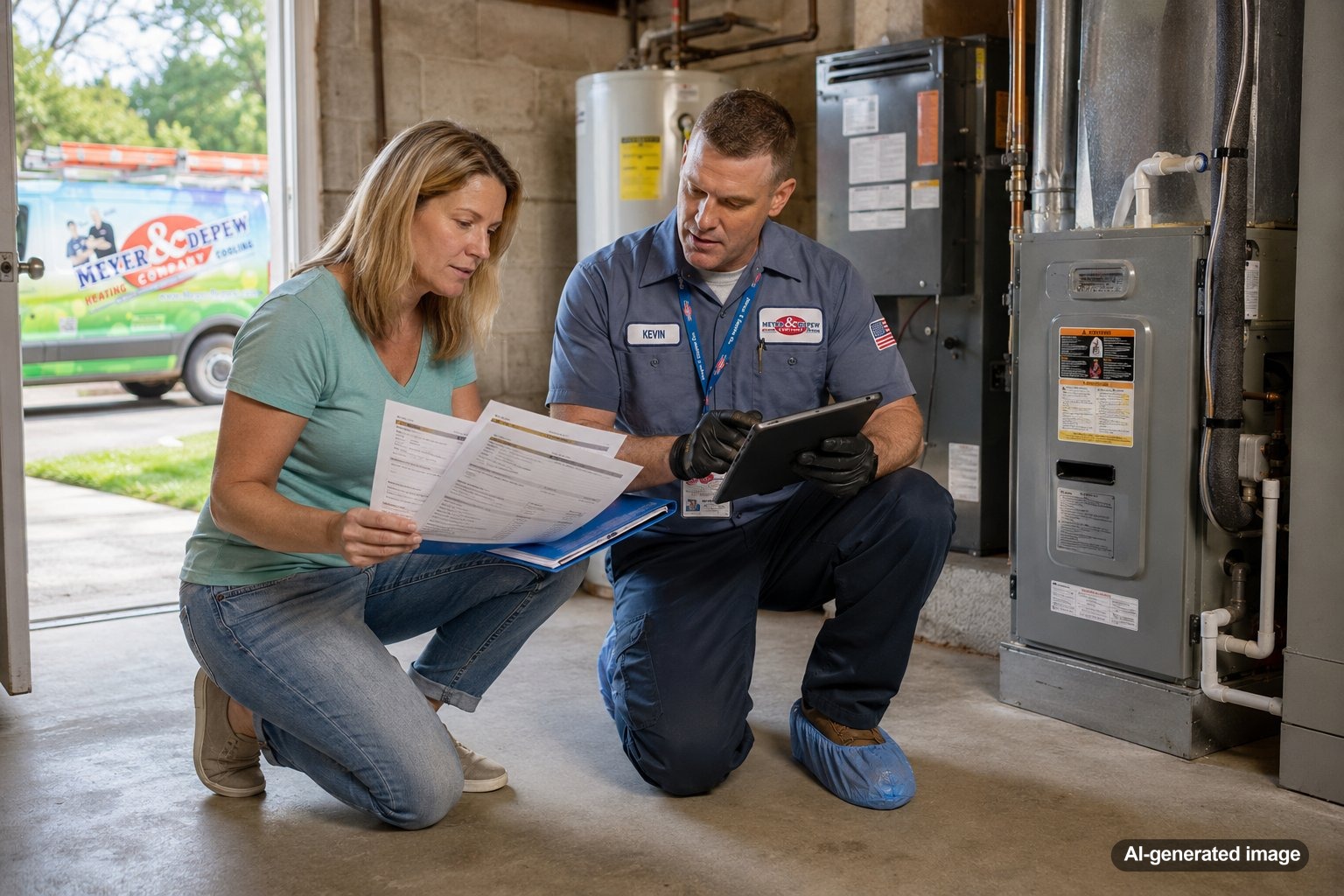
Comparing AC repair quotes involves more than looking for the lowest number at the bottom of each estimate. A useful comparison should examine whether the contractors identified the same problem, included the same parts and labor, explained warranty coverage, and addressed any related conditions that could affect the repair. The strongest quote is usually the one that gives you a clear understanding of what will be done, why it is recommended, and what is not included.
For homeowners in Central and Northern New Jersey, this matters most during hot, humid weather, when the pressure to restore cooling quickly can make every estimate feel urgent. Taking a little time to compare the scope of work can help you avoid choosing an incomplete repair or paying for work that was not clearly justified. You can also review available AC service and maintenance options when deciding what type of professional help you need.
Compare AC repair quotes by checking the diagnosis, scope of work, parts, labor, warranty, exclusions, contractor qualifications, and expected outcome. Ask each contractor to clarify differences in writing before making a decision. A lower quote may not be a better value if it leaves out necessary work, uses a temporary approach, or provides limited warranty protection.
Start With the Diagnosis, Not the Price
Before comparing totals, check whether the contractors agree about what is wrong. One technician may identify a failed capacitor, while another may believe the compressor, control board, blower motor, refrigerant circuit, or electrical system needs further evaluation. Those are not comparable repairs, even if both estimates are described broadly as AC service.
Ask each contractor to explain the observed symptoms, diagnostic findings, and reasoning behind the recommendation. A quote should distinguish between a confirmed failure and a suspected issue that requires additional testing. Be cautious when an estimate presents an expensive diagnosis without explaining the evidence behind it.
Different conclusions do not automatically mean one contractor is dishonest. Intermittent failures, multiple worn components, airflow problems, and previous repairs can make diagnosis more complicated. The goal is to understand why the recommendations differ before comparing their prices.
Compare the Exact Scope of Work
Two quotes may appear to describe the same repair while including very different work. Review each line item and determine whether the contractor plans to replace one component, correct an underlying condition, complete additional testing, or perform related maintenance.
For example, a quote for a failed blower motor may or may not include a new capacitor, wheel cleaning, electrical testing, airflow verification, system operation checks, and disposal of the old part. A refrigerant-related quote may differ based on whether it includes leak detection, repair, evacuation, refrigerant, performance testing, or only a recharge.
Ask whether the estimate includes:
- Diagnostic labor already performed
- Replacement parts and related materials
- Labor required to complete the repair
- Required permits or code-related work, if applicable
- System testing after the repair
- Cleanup and disposal of replaced components
- Taxes or other clearly disclosed charges
A detailed quote makes it easier to identify meaningful differences. A one-line estimate may be fast to read, but it can leave important questions unanswered.
Ask About the Parts Being Used
Parts can differ in design, compatibility, availability, and warranty coverage. Ask whether the quoted component is an original equipment manufacturer part, an approved replacement, or a universal component. A universal part is not automatically inferior, but the contractor should be able to explain why it is appropriate for your system.
Confirm whether the part is new and whether any modifications are needed for installation. You should also ask whether the quote could change if the original part is unavailable. Clear answers help prevent a situation in which the completed repair differs from what you believed you approved.
Separate Labor Warranty From Parts Warranty
Warranty language is one of the most important differences between AC repair quotes. A manufacturer or supplier may provide coverage for the part, while the contractor provides separate coverage for installation labor. These warranties may have different time periods, limitations, and requirements.
Ask each contractor:
- How long is the replacement part covered?
- How long is the contractor’s labor covered?
- Who handles the warranty claim if the part fails?
- Are diagnostic, shipping, refrigerant, or return-trip costs included?
- Does warranty coverage require maintenance or registration?
Do not assume that a long parts warranty means all future costs would be covered. Written terms are more useful than a verbal statement that the repair is guaranteed.
Look for Exclusions and Conditions
A quote may exclude work that another contractor includes. Common exclusions can involve refrigerant, electrical repairs, access work, condensate drainage, ductwork, code corrections, permits, or additional damage discovered after the system is opened.
Some estimates are also conditional. A contractor may quote one repair but note that additional testing will be needed afterward. That can be reasonable when one failed component prevents the technician from fully operating the system. The important point is to understand what could cause the final amount or recommendation to change.
Ask what happens if the repair does not restore normal operation. Will the contractor pause and provide a revised estimate, or could additional work be completed without separate approval? A clear authorization process protects both the homeowner and the contractor.
Consider Repair Quality and Long-Term Value
The least expensive repair may be appropriate when the diagnosis is straightforward and the scope is complete. However, a low quote may also represent a temporary fix, minimal testing, a shorter labor warranty, or an incomplete response to the underlying problem.
Consider the age and condition of the AC system as well. A major repair on an older unit may deserve a broader conversation about reliability, refrigerant type, efficiency, previous breakdowns, and the likelihood of additional component failures. This does not mean replacement is always necessary. It means the repair decision should be made with the system’s overall condition in mind.
If replacement is raised as an option, ask the contractor to explain why. A responsible recommendation should connect the suggestion to specific factors such as repair cost, equipment condition, comfort problems, availability of parts, or repeated failures. Homeowners who want to explore that path can learn more about AC installation and replacement.
Evaluate the Contractor, Not Just the Estimate
A technically detailed quote is important, but the company performing the work matters too. Confirm that the contractor is properly licensed and insured for the work being proposed. Pay attention to whether the technician answered questions clearly, respected your property, documented findings, and avoided pressure-based tactics.
You may also want to consider scheduling reliability, communication, service history, and how the company handles problems after the repair. Customer feedback can provide useful context, although no review profile tells the whole story. Meyer & Depew provides access to its customer reviews for homeowners researching their options.
Be careful with estimates that rely heavily on urgency without explaining the actual condition of the equipment. During a New Jersey heat wave, fast service is valuable, but speed should not replace a clear diagnosis and written scope.
Use the Same Questions With Every Contractor
A consistent set of questions makes quotes easier to compare. Ask each contractor:
- What specific failure did you confirm?
- What testing supports that diagnosis?
- Exactly what parts and labor are included?
- What is excluded from the estimate?
- Could the scope change after work begins?
- What parts and labor warranties apply?
- What testing will be completed after the repair?
- Is this intended as a complete repair or a temporary measure?
- Does the system’s age or condition affect your recommendation?
Written answers are especially helpful when estimates use different terminology. You can then compare the contractors’ recommendations based on the same decision factors.
What You Can Safely Check Before Approving a Repair
- Confirm that the thermostat is set to cooling and the temperature setting is below the room temperature.
- Inspect the air filter and replace it if it is visibly dirty and you can do so safely.
- Make sure supply registers and return vents are open and not blocked.
- Look for obvious leaves or debris restricting airflow around the outdoor unit.
- Check whether the HVAC breaker has tripped once, if it is safe to do so. Do not repeatedly reset it.
Do not open electrical panels, bypass safety controls, add refrigerant, or attempt repairs involving high-voltage components. If you notice smoke, sparks, an electrical burning smell, flooding near equipment, or another unsafe condition, shut the system down if it is safe to do so and contact the appropriate emergency service, utility, or qualified professional.
Frequently Asked Questions
Should I always get multiple AC repair quotes?
Multiple quotes can be helpful for expensive, complex, or unclear repairs. For a smaller repair from a contractor you already trust, another estimate may not be necessary. The decision depends on the cost, urgency, diagnosis, and your confidence in the explanation.
Why are AC repair quotes sometimes far apart?
Quotes may differ because the contractors diagnosed different problems, included different parts or labor, offered different warranties, or approached the repair differently. Ask for a detailed breakdown before assuming the price difference reflects markup alone.
Can an AC repair estimate change after work begins?
It can change if hidden damage or another failure becomes visible during the repair. The contractor should explain this possibility in advance and obtain authorization before completing additional work.
Is a written estimate important?
Yes. A written estimate creates a clearer record of the recommended repair, included work, exclusions, warranty terms, and expected charges. It also makes side-by-side comparison easier.
When should I compare repair with replacement?
Consider discussing replacement when the system is aging, requires a major repair, has repeated failures, uses hard-to-source components, or no longer provides dependable comfort. A qualified contractor can evaluate both options without assuming replacement is always the right answer.
The best AC repair quote is not necessarily the cheapest or the most expensive. It is the estimate that provides a credible diagnosis, a complete scope, clear warranty terms, reasonable exclusions, and an explanation you can understand. Compare the details first, then choose the contractor you trust to perform and stand behind the work.
Need help with your heating, cooling, or HVAC system?
Meyer & Depew serves homeowners and businesses throughout Central and Northern New Jersey.
Get a quote or call 908.272.2100.