



Can a Heat Pump Need Repair Even If It Heats Fine on Mild Days?
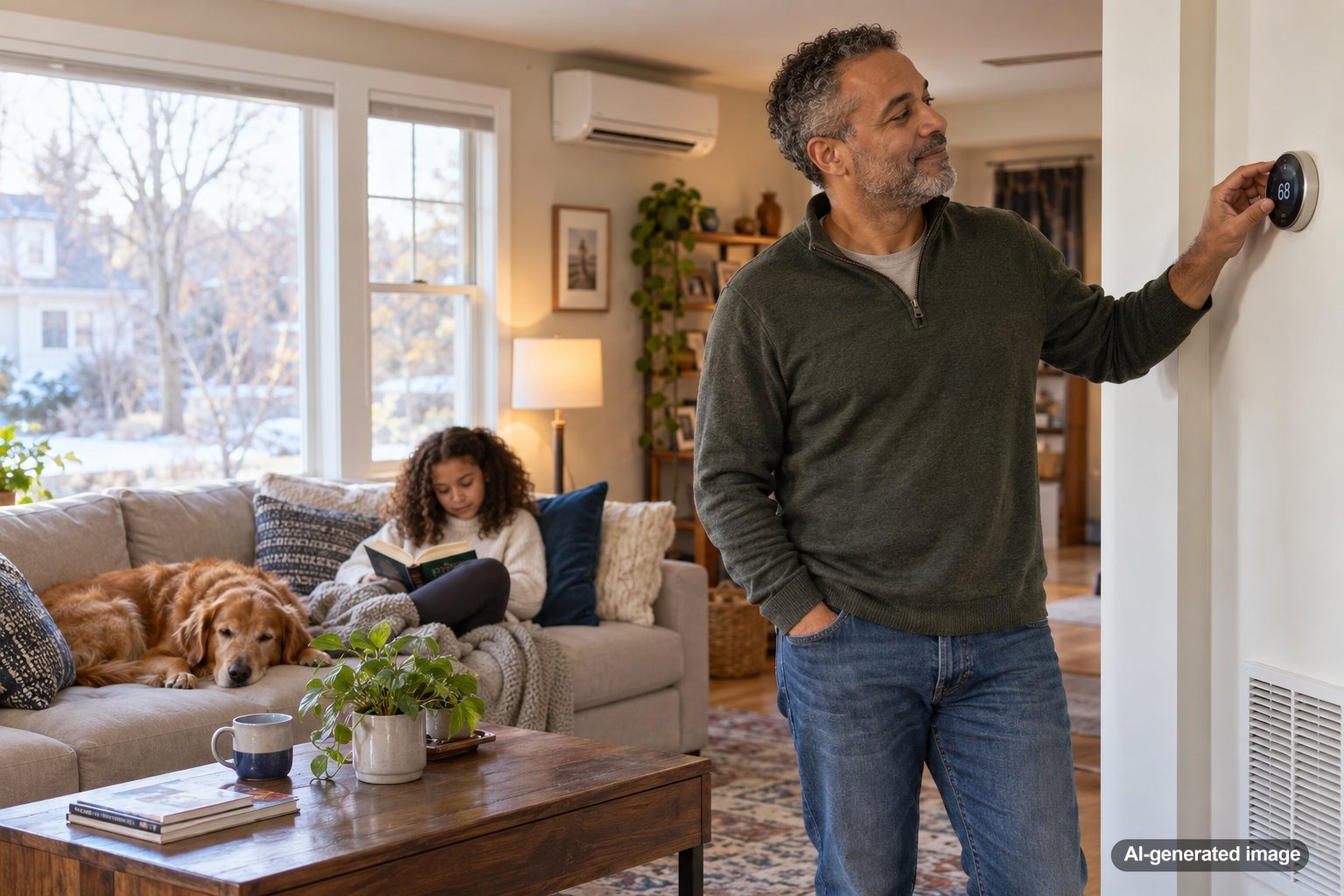
Yes. A heat pump can appear to heat your home normally on a mild fall day and still have a developing problem that becomes obvious only when temperatures drop. Mild weather places a relatively light heating demand on the system. When colder New Jersey weather arrives, the same heat pump may need to run longer, move more heat, cycle through defrost operation, and work with supplemental heat. A weakness that barely matters at 50 degrees can become a noticeable comfort problem when outdoor temperatures fall much lower.
If you have noticed changes in runtime, airflow, unusual noises, frequent auxiliary heat use, or rooms that become uncomfortable during colder weather, it can be worth scheduling professional heating service and maintenance before a more demanding stretch of winter weather exposes the problem completely.
- A heat pump can have a developing problem while still keeping up during mild weather.
- Colder outdoor temperatures increase the workload and may expose airflow, refrigerant, defrost, electrical, or control issues.
- Long runtimes alone do not always mean something is wrong, because heat pumps commonly operate for extended periods in cold weather.
- A noticeable decline from your system’s normal performance is more useful than judging it from one mild day.
- If heating performance drops as the weather gets colder, a qualified HVAC technician can evaluate the system before the problem becomes more disruptive.
Why Mild Weather Can Hide a Heat Pump Problem
A heat pump does not create heat in the same way as a traditional furnace. During heating operation, it transfers heat from outdoor air into the home. When the temperature outside is mild, there is usually more heat available in the outdoor air and the home’s heat loss is relatively low. That combination makes the heat pump’s job easier.
As outdoor temperatures fall, the situation changes. Your home loses heat more quickly, and the heat pump has to operate under more demanding conditions. Depending on the system and home, supplemental or auxiliary heat may also become part of normal operation.
Because of that changing workload, a marginal component or performance issue may not create noticeable symptoms until colder conditions arrive. Think of mild weather as an easier test. A system can pass that test while struggling when the load becomes heavier.
Problems That May Show Up Only When It Gets Colder
Several different conditions can produce this pattern. The symptoms may overlap, so the presence of one sign does not prove a particular component has failed. A professional diagnosis is important when performance changes significantly.
Restricted airflow
A dirty filter, blocked return, closed supply vents, or another airflow restriction can reduce the amount of conditioned air moving through the home. On a mild day, the heat pump may still produce enough heating to satisfy the thermostat. During colder weather, reduced airflow can become much more noticeable because the system needs to deliver more heat for longer periods.
Refrigerant or refrigeration-cycle problems
Heat pumps depend on a properly functioning refrigeration cycle in both heating and cooling modes. A problem involving refrigerant charge, a valve, a coil, or another sealed-system component may reduce heating capacity without causing an immediate total loss of heat. A system with reduced capacity might seem acceptable on a warmer day and then fall behind as temperatures drop.
Refrigerant work and sealed-system repairs should be left to a qualified HVAC professional rather than treated as a homeowner repair.
Defrost system issues
During cold heating operation, the outdoor coil can develop frost. Heat pumps are designed to enter a defrost cycle when needed. If a defrost control, sensor, or related component is not working correctly, excessive frost or ice may interfere with performance.
This type of problem may be difficult to notice in mild conditions because the system has less need for defrost operation. It can become much more apparent during cold, damp weather.
Supplemental heat problems
Many heat pump systems have supplemental heat that can assist under certain conditions. If the backup heat is not operating correctly, you might not notice anything during a mild afternoon when the heat pump can handle the load by itself. A cold morning can reveal the issue quickly when the home needs additional heating capacity.
Electrical heating components, wiring, controls, and high-voltage equipment should not be opened or repaired by a homeowner.
Electrical or control problems
Contactors, capacitors, relays, sensors, thermostat settings, and control components can affect how a heat pump operates. Some failures are intermittent. Others appear only during particular operating modes, such as defrost or auxiliary heat.
A system that behaves normally during one weather condition but differently during another may therefore need more than a simple thermostat adjustment.
What Changes Should Get Your Attention?
Heat pumps operate differently from furnaces, so not every long heating cycle is a warning sign. In colder weather, extended operation can be normal. It is more useful to look for a change from the way your particular system normally performs.
Examples that may justify service include:
- The home reaches the thermostat setting on mild days but falls several degrees behind during colder weather.
- Some rooms become noticeably colder even though they were previously comfortable.
- The outdoor unit develops persistent heavy ice rather than a light frost that clears during normal defrost operation.
- Airflow from supply vents seems weaker than usual.
- The system repeatedly starts and stops instead of operating in its normal pattern.
- Auxiliary or emergency heat appears to operate much more often than you remember from similar weather.
- You hear a new buzzing, grinding, rattling, or other unusual sound.
- The system runs but the air coming from the vents does not seem to maintain indoor comfort as outdoor temperatures fall.
These clues do not identify a specific failed part by themselves. They simply indicate that the system may deserve a closer evaluation.
Safe Checks a Homeowner Can Make
- Check that the thermostat is set to the correct heating mode and temperature.
- Inspect the air filter and replace it if it is dirty and your system’s filter can be safely accessed.
- Make sure supply registers and return vents are open and are not blocked by furniture, rugs, boxes, or curtains.
- Look from a safe distance for obvious leaves, snow, or debris restricting airflow around the outdoor unit.
- If the system has stopped completely, check whether the breaker has tripped once, if it is safe to do so. If it trips again, do not keep resetting it.
Beyond these basic checks, troubleshooting should generally move to a qualified technician. Avoid opening equipment panels, bypassing safety controls, handling refrigerant, testing high-voltage components, or attempting electrical repairs.
Why New Jersey Weather Can Make the Pattern More Noticeable
Central and Northern New Jersey can move from relatively mild fall conditions to much colder weather in a short period. That temperature swing changes the heating load on a home considerably. A heat pump that seemed completely normal earlier in the week may suddenly need longer cycles or supplemental heat as nighttime temperatures fall.
Some increase in runtime is expected. The concern is when your system’s performance changes more than the weather alone would reasonably explain, especially if the house cannot maintain the thermostat setting or the equipment begins showing additional symptoms.
Older homes can make these differences even easier to notice. Air leakage, insulation levels, duct conditions, additions, finished spaces, and uneven room loads can all influence how much heating a system must deliver. Sometimes a comfort complaint involves the HVAC equipment, while other times the system is reacting to a building-related issue. A professional evaluation can help separate those possibilities.
Does Longer Runtime Automatically Mean the Heat Pump Needs Repair?
No. Long cycles are not automatically a repair symptom. Heat pumps are often designed to provide steady heating rather than the shorter, hotter bursts people may associate with some furnaces. During cold weather, a properly operating heat pump may run for extended periods.
The more important questions are whether the home reaches the thermostat setting, whether airflow remains consistent, whether the outdoor unit is operating normally, and whether the system’s behavior has changed compared with similar weather in the past.
If your heat pump maintains comfortable temperatures and is not producing unusual noises, odors, ice buildup, repeated breaker trips, or other warning signs, longer operation by itself may simply reflect colder conditions.
When to Schedule Heat Pump Service
It makes sense to schedule professional service when the system consistently loses ground as outdoor temperatures fall, develops unusual operating behavior, or has a noticeable change in comfort or airflow. Addressing a developing issue before the coldest part of winter can reduce the chance of discovering a problem during a period when the system is under its greatest load.
A technician can evaluate operating temperatures, airflow, controls, electrical components, defrost operation, supplemental heat, and the refrigeration system as appropriate. The goal is not to assume that one symptom proves one failure, but to identify what is actually affecting system performance.
If you smell electrical burning, see smoke or sparks, suspect a carbon monoxide problem from other fuel-burning equipment in the home, or encounter another potentially unsafe condition, prioritize safety and contact the appropriate emergency service, utility, or qualified professional.
Frequently Asked Questions
Can a heat pump work at 50 degrees but fail at 30 degrees?
It can. A system with reduced heating capacity may still satisfy the thermostat when outdoor conditions are mild but struggle as the home’s heating demand increases. That does not confirm a specific failure, but it is a reasonable reason to have the system evaluated.
Is it normal for a heat pump to run almost constantly when it is cold?
Extended runtime can be normal for heat pumps during cold weather. What matters is whether the home remains comfortable and whether the equipment is operating normally without unusual noises, excessive ice, airflow problems, or other changes.
Should auxiliary heat come on during cold weather?
Depending on the heat pump system, controls, thermostat, and outdoor conditions, supplemental heat may operate at times. Frequent or unexpected auxiliary heat use compared with your system’s normal behavior can be worth discussing with an HVAC technician.
Can a dirty filter make a heat pump seem weak only on colder days?
Yes. A restricted filter can reduce airflow. The impact may be less noticeable when heating demand is low and more noticeable when the system needs to deliver more heat during colder conditions.
Should I wait for the heat pump to stop heating completely before calling for service?
No. If you see a clear decline in heating performance, unusual icing, repeated cycling, abnormal noises, weak airflow, or difficulty maintaining the thermostat setting, scheduling service before the system stops completely can make sense.
A heat pump does not have to stop heating completely to need attention. Mild weather can hide reduced capacity or problems that become noticeable only when the system faces a heavier cold-weather load. Changes in comfort, airflow, icing, supplemental heat use, or operating behavior are more useful clues than performance on one pleasant day.
Need help with your heating, cooling, or HVAC system?
Meyer & Depew serves homeowners and businesses throughout Central and Northern New Jersey.
Get a quote or call 908.272.2100.