



Can a Generator Power a Furnace During an Early-Season Outage?
Estimated reading time: 8 minutes
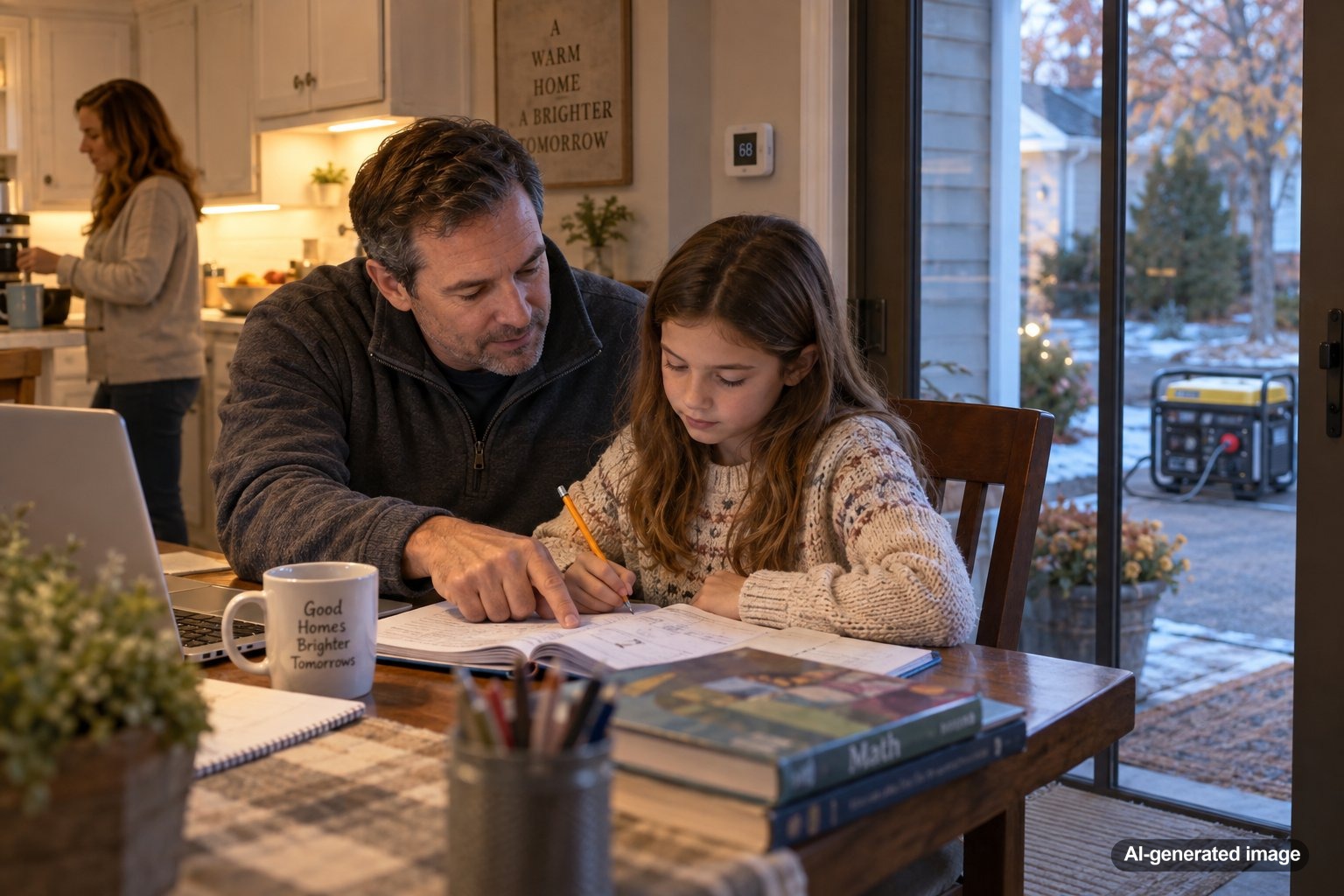
Yes, a generator can power many furnaces during an early-season outage, but only when the generator, furnace, and electrical connection are properly matched. A gas furnace still needs electricity for components such as the blower motor, control board, ignition system, and other operating controls. If utility power goes out on a cold New Jersey evening, the gas supply alone will not keep a typical modern furnace running.
The important question is not simply whether you own a generator. You need to know whether it can safely supply the furnace’s electrical demand and whether your home has an approved way to connect backup power. Homeowners considering more dependable outage protection can learn about home generator options before the colder part of the heating season arrives.
A properly sized generator can often operate a gas furnace during a power outage. The generator must provide enough power for the furnace and any other connected loads, and the furnace must be connected through an appropriate transfer system or other professionally installed backup-power arrangement. Never attempt to backfeed a home’s electrical system or improvise a furnace connection.
Why A Gas Furnace Still Needs Electricity
A furnace may burn natural gas or another fuel to create heat, but its operation depends heavily on electricity. Modern heating systems use electrical power to start, control, and distribute that heat throughout the home.
Depending on the furnace design, electricity may be needed for the thermostat and controls, electronic ignition, draft inducer, safety switches, control board, and circulation blower. When utility power disappears, those components stop operating even when the home’s gas service remains available.
This catches some homeowners by surprise during the first chilly outages of fall. The outdoor temperature may not be severe yet, but an overnight outage can still make a home uncomfortable, especially when the heating system cannot circulate warm air.
The Generator Has To Handle The Furnace’s Electrical Load
A generator needs enough capacity for the furnace’s normal operating demand as well as the additional electrical demand that can occur when motors start. The blower motor is particularly important because motor-driven equipment can briefly require more power during startup than during steady operation.
Generator capacity also has to account for everything else you plan to operate. A generator that can support the furnace by itself may become overloaded if it is simultaneously expected to run a refrigerator, sump pump, well pump, lighting, electronics, and other household loads.
The right approach is to identify the electrical requirements of the actual furnace and the other circuits intended for backup power. Equipment labels, electrical documentation, generator specifications, and a professional load evaluation can help determine whether the proposed setup is appropriate.
Gas Furnaces And Electric Heating Systems Are Very Different Generator Loads
One of the most useful distinctions is between powering the electrical components of a fuel-burning furnace and powering equipment that produces heat primarily with electricity.
A gas furnace mainly needs backup electricity for its motors, controls, and ignition components. Electric resistance heating can place a much larger demand on a generator because electricity itself is producing the heat. Heat pumps introduce another set of electrical requirements because compressors, fans, controls, and sometimes auxiliary electric heat may need power.
That means advice that applies to a gas furnace should not automatically be applied to every heating system. If you have a heat pump, electric furnace, or mixed heating system, the generator should be evaluated specifically for that equipment.
A Safe Electrical Connection Matters As Much As Generator Size
Having enough generator capacity does not make an improvised connection safe. A furnace is commonly connected directly to a home’s electrical system rather than plugged into a normal wall outlet, so providing backup power requires the correct electrical arrangement.
A professionally installed transfer switch or another approved transfer method can isolate generator power from utility power while supplying selected household circuits. This helps prevent dangerous backfeeding into utility lines and creates a controlled way to move between normal and backup power.
Do not attempt to modify furnace wiring, create a homemade connection, use improvised adapters, or feed generator power into a household receptacle. Electrical work associated with generator connections should be handled by qualified professionals using equipment appropriate for the home and generator.
Portable Generator Safety Is Especially Important During Heating Season
Portable generators create carbon monoxide, so placement is a critical safety issue. A portable generator should never be operated inside a home, garage, basement, crawlspace, shed, enclosed porch, or other enclosed or partially enclosed space.
Current U.S. Consumer Product Safety Commission guidance calls for portable generators to be operated outdoors at least 20 feet away from the home, with exhaust directed away from the building. Doors, windows, and vents near the exhaust path should remain closed. Homeowners should also follow the generator manufacturer’s instructions regarding wet-weather operation and electrical hazards.
Working carbon monoxide alarms are important whenever fuel-burning equipment or portable generators are being used. If a carbon monoxide alarm sounds, or anyone experiences symptoms that could indicate carbon monoxide exposure, leave the building and seek emergency assistance rather than trying to diagnose the source yourself.
Early-Season Outages Can Reveal Backup Power Gaps
An outage in September, October, or early November can serve as an unexpected test of a home’s heating preparedness. New Jersey weather can shift quickly, and a home that was comfortable during the afternoon may need heat after temperatures fall overnight.
Early-season outages may also occur before homeowners have tested their heating equipment or reviewed their generator setup for the year. A generator that has been sitting unused, an aging furnace, or a backup-power arrangement that was never designed to support heating can create uncertainty exactly when the system is needed.
Before colder weather becomes routine, it can be useful to confirm that the furnace is operating properly and that any generator system has been maintained according to its manufacturer’s requirements. If your heating system has not been checked recently, professional heating service and maintenance can help identify equipment issues before winter places greater demand on the system.
What Homeowners Can Safely Check Before An Outage
- Confirm what type of heating system you have, such as a gas furnace, heat pump, or electric furnace.
- Review the generator owner’s manual and its rated output.
- Identify which household circuits are intended to receive generator power.
- Check that smoke alarms and carbon monoxide alarms are working.
- Inspect or replace the furnace air filter if needed.
- Make sure supply and return vents are open and not blocked.
- Arrange professional evaluation if you are unsure whether the furnace and generator are compatible.
These checks can help with planning without requiring homeowners to open electrical panels, alter furnace wiring, bypass safety controls, or work on combustion components.
Whole-Home Standby Generators Can Simplify Heating Backup
A permanently installed standby generator is designed differently from a portable generator setup. When properly sized and installed, a standby system can use an automatic transfer switch to disconnect the home from utility power and supply selected loads or a larger portion of the home’s electrical system during an outage.
For homeowners who consider heating, refrigeration, sump pumps, well equipment, or other essential systems important during outages, a planned standby system can eliminate much of the uncertainty associated with deciding what a portable generator can support.
Generator sizing still matters. The appropriate system depends on the home’s electrical loads, which equipment should remain available during an outage, and whether large loads may operate at the same time.
When To Call A Professional
Professional help is appropriate if you do not know how your furnace is connected, whether an existing transfer switch serves the heating circuit, or whether the generator can handle the required load. A qualified electrician can evaluate the electrical connection and transfer equipment, while an HVAC technician can evaluate the furnace and its operating requirements.
You should also schedule service if the furnace does not operate normally after utility power returns, repeatedly trips a breaker, produces an electrical burning smell, behaves erratically, or shows another sign of an electrical or combustion problem. Do not keep resetting breakers or attempting to bypass furnace safety controls.
Frequently Asked Questions
Can a portable generator run a gas furnace?
It can in many installations if the generator has adequate capacity and the furnace is connected through an appropriate professionally installed transfer arrangement. Generator output, furnace electrical requirements, and other connected loads all need to be considered.
Will a gas furnace work during a power outage without a generator?
Typically, no. Modern gas furnaces require electricity for controls, ignition, motors, and air circulation. Gas service by itself generally is not enough to keep the furnace operating when electrical power is unavailable.
Can I plug my furnace directly into a portable generator?
Do not improvise a generator-to-furnace connection. Many furnaces are hardwired into the home’s electrical system. A qualified professional can determine the appropriate transfer equipment or connection method for your specific installation.
Can the same generator run my furnace and refrigerator?
Possibly, but the answer depends on the generator’s capacity and the electrical requirements of every connected appliance. Startup demands need to be considered along with normal running loads.
Should I size a generator only for my furnace?
Not necessarily. Think about everything you would consider essential during an outage, such as refrigeration, sump pumps, well pumps, lighting, or other equipment. A load evaluation can help determine the generator capacity that fits those priorities.
A generator can often keep a gas furnace running during an early-season outage, but successful backup heating depends on proper generator capacity, a safe transfer method, and a heating system that is ready to operate. Planning before the first significant cold spell is much safer than trying to create a solution after the power goes out.
Planning for storms or power outages?
Meyer & Depew can help you explore home generator options for more confidence during New Jersey weather events.
You can also get a quote.