

Why Does My Furnace Take Longer to Start After the Thermostat Calls for Heat?
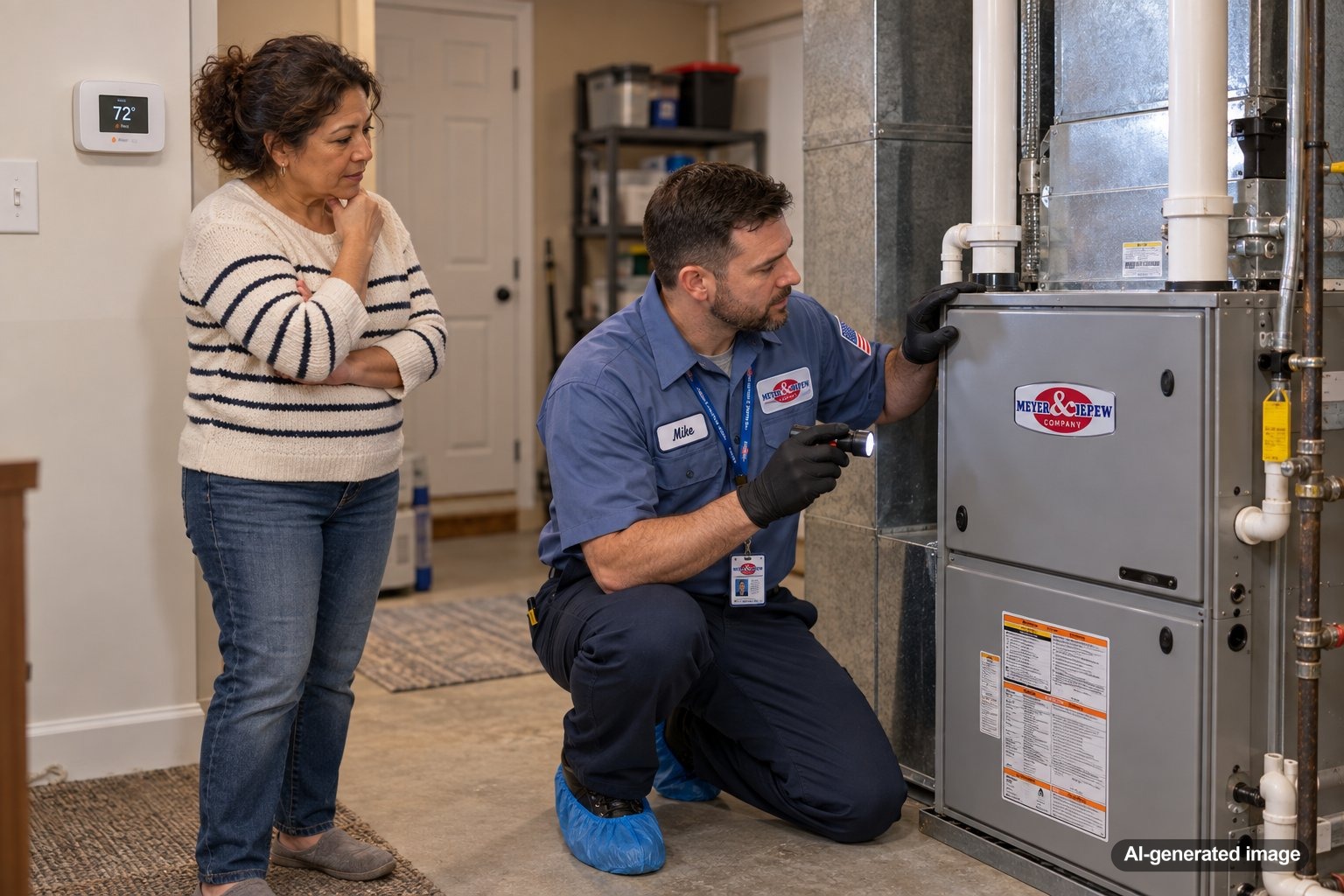
When your thermostat calls for heat, your furnace usually does not begin blowing warm air instantly. A short pause can be completely normal because the heating system has several safety and startup steps to complete first. What deserves attention is a delay that is noticeably longer than it used to be, happens inconsistently, or is accompanied by repeated clicking, failed starts, unusual noises, odors, or a house that is taking much longer to warm up.
For homeowners in Central and Northern New Jersey, these changes often become more noticeable when heating systems return to regular use in the fall. If the delay is new or getting worse, professional heating service and maintenance can help determine whether the furnace is completing a normal startup sequence or struggling with a component, control, or airflow problem.
A brief delay after the thermostat calls for heat is normal. The furnace may need to verify safety conditions, establish proper draft, ignite the burners, and warm the heat exchanger before the blower starts. A delay that keeps getting longer could be related to the thermostat, ignition system, safety controls, airflow restrictions, or another issue that should be evaluated.
Why a furnace does not start instantly
A modern furnace follows a sequence rather than switching directly from off to full heat. When the thermostat requests heating, the furnace control board receives that signal and begins checking whether conditions are safe for operation.
Depending on the furnace design, the system may start an inducer motor, verify that the venting system is creating the expected pressure, energize an igniter, open the gas valve, confirm that a flame is present, and then wait before starting the main blower. That final pause helps prevent the furnace from sending a burst of cool air through the house before the system has warmed sufficiently.
Because several steps happen before you feel warm air at a register, hearing the thermostat click and then waiting briefly does not automatically mean something is wrong.
When the startup delay may be different from normal
The most useful comparison is often your own furnace’s previous behavior. If the system has always taken a short period to begin heating, that may simply be its normal sequence. If a furnace that once started consistently now waits much longer, attempts to start several times, or occasionally fails to run at all, something may have changed.
Pay attention to patterns rather than trying to diagnose the individual component yourself. A furnace that starts slowly only once after being unused for months is different from one that hesitates during nearly every heating cycle.
Common reasons a furnace can take longer to respond
The thermostat signal may be delayed or inconsistent
The thermostat is the starting point for the heating request. Weak batteries in a battery-powered thermostat, an incorrect setting, communication problems with certain control systems, or a thermostat that is not operating properly may affect how reliably the heating call reaches the furnace.
Some smart thermostats and HVAC controls also use built-in operating logic intended to manage equipment safely and efficiently. That can create pauses that are normal for the system. A delay that suddenly appears after years of different behavior, however, is worth investigating.
The furnace may be taking longer to complete its ignition sequence
Gas furnaces must establish safe operating conditions before ignition. Components involved in that process can include the inducer, pressure switch, igniter, burners, flame sensor, and furnace control board. If the system cannot confirm one of the required conditions promptly, startup may be delayed or interrupted.
These are not components homeowners should attempt to bypass, adjust, or repair. Repeated failed ignition attempts, unusual burner behavior, or a furnace that repeatedly starts and stops should be evaluated by a qualified HVAC technician.
A dirty filter or airflow restriction may be affecting operation
A heavily restricted air filter can interfere with normal furnace operation after the system starts. In some situations, airflow problems can contribute to overheating, limit cycling, or other operating behavior that makes the entire heating cycle seem irregular.
Check that the filter is reasonably clean and installed correctly. Also make sure supply registers and return grilles have not been blocked by furniture, rugs, boxes, or other household items.
A safety control may be preventing immediate operation
Furnaces contain safety controls designed to stop or delay operation when expected conditions are not present. That protection is important. A furnace that pauses because a safety condition has not been verified should not be forced to run.
If you hear the system repeatedly attempting to start without successfully producing heat, the safer approach is to schedule service rather than repeatedly resetting equipment or trying to bypass a switch.
Aging components can make startup less consistent
Heating equipment does not always fail all at once. Motors, ignition components, sensors, relays, controls, and other parts may become less reliable over time. One early symptom can be a furnace that still starts but no longer starts as quickly or consistently as it once did.
That does not automatically mean the furnace needs replacement. A qualified technician can evaluate the system, identify the reason for the change, and explain whether service, repair, or a broader equipment discussion makes sense.
Is the delay happening before ignition or before warm air reaches the room?
This distinction can help describe the problem accurately when you schedule service.
- Nothing seems to happen after the thermostat calls for heat: The issue may involve the thermostat signal, furnace controls, power, or an early step in the startup sequence.
- You hear the furnace operating but ignition takes longer than usual: The system may be having difficulty completing part of its normal pre-ignition or ignition sequence.
- The burners start but the blower waits: A short blower delay is often intentional so the furnace can warm before sending air into the ductwork.
- Warm air starts, stops, and starts again: Repeated cycling can indicate a different issue than a simple startup delay and deserves professional evaluation if it continues.
These observations are useful because two homeowners can both describe a furnace as slow to start while experiencing completely different parts of the heating sequence.
Safe checks you can make before scheduling service
- Confirm that the thermostat is set to Heat and the desired temperature is above the current room temperature.
- Replace thermostat batteries if your thermostat uses them and they are due for replacement.
- Inspect the furnace air filter and replace it if it is visibly dirty or overdue.
- Make sure supply registers and return grilles are open and unobstructed.
- Notice whether the furnace eventually starts normally, repeatedly attempts to start, or fails to produce heat.
- Schedule professional service if the delay continues, becomes longer, or is accompanied by other unusual symptoms.
Avoid opening sealed furnace compartments, adjusting gas components, bypassing safety switches, modifying wiring, or repeatedly resetting a furnace that will not operate normally.
When a delayed furnace startup deserves professional attention
Consider scheduling service when the startup delay is noticeably longer than it used to be, the furnace occasionally fails to start, you hear repeated ignition attempts, the system cycles on and off unexpectedly, or heating performance throughout the home has changed.
More urgent action is appropriate if you smell gas, notice smoke or an electrical burning odor, see sparks, or have a carbon monoxide concern. Leave the affected area when appropriate and contact the proper emergency service, utility, or qualified professional rather than continuing to operate the equipment.
Why the problem may show up when New Jersey heating season begins
A furnace can sit largely unused through warm weather and then suddenly return to daily operation as temperatures fall. That transition can expose components that have become dirty, worn, intermittent, or less responsive since the previous heating season.
Early-season temperature swings can make the behavior especially noticeable. The furnace may run only occasionally on mild days and then operate much more frequently during a cold stretch. If startup becomes less reliable as demand increases, having the system evaluated before colder weather arrives can reduce the chance of being surprised by a no-heat situation later.
Frequently asked questions
How long should a furnace take to start after the thermostat calls for heat?
There is no single startup time that applies to every furnace. A brief pause is normal because the system has to complete safety and ignition steps before delivering warm air. The more important warning sign is a delay that is significantly different from your furnace’s usual behavior.
Why do I hear my furnace running before warm air comes out?
You may be hearing the inducer motor or another part of the startup sequence before the main blower begins moving heated air through the ducts. A short period between these stages can be normal.
Can a dirty furnace filter cause delayed heating?
A dirty filter can restrict airflow and contribute to heating performance and operating problems. Replacing an overdue filter is a reasonable homeowner check, but a persistent startup delay should not automatically be blamed on the filter.
Does a delayed start mean my furnace needs to be replaced?
Not necessarily. Delayed startup can have several possible causes, and some may be serviceable. Furnace age, repair history, overall condition, efficiency, comfort performance, and the specific problem all matter when deciding whether repair or replacement should be considered.
Should I keep turning the thermostat up if the furnace is slow to start?
No. Raising the temperature setting repeatedly usually does not make a furnace complete its startup sequence faster. Set a reasonable temperature and observe whether the system responds normally. If it does not, professional evaluation is the safer next step.
A short pause between the thermostat’s call for heat and the arrival of warm air is part of normal furnace operation. A delay that is new, progressively longer, inconsistent, or accompanied by failed starts is different. Tracking exactly what you hear and when the furnace eventually responds can give an HVAC technician useful clues without requiring you to troubleshoot unsafe components yourself.
Need help with your heating, cooling, or HVAC system?
Meyer & Depew serves homeowners and businesses throughout Central and Northern New Jersey.
Get a quote or call 908.272.2100.