



Why Fall Can Be a Better Time Than Winter for Heating System Replacement: Get Ahead of the Cold Before Your Furnace Gives Out
Estimated reading time: 14 minutes
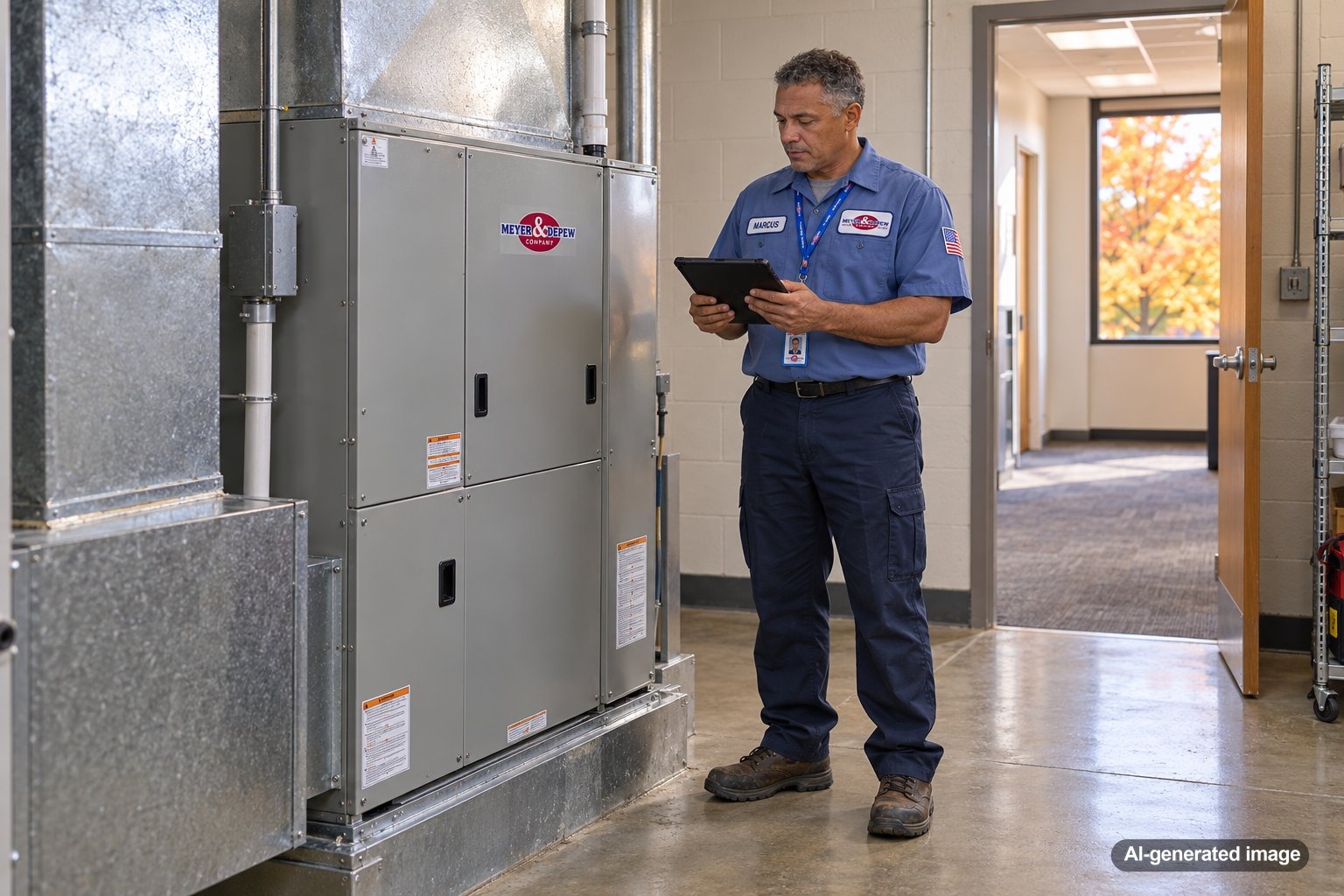
The first truly cold night of a New Jersey winter has a way of exposing problems that seemed manageable just a few weeks earlier. A furnace that sounded a little rough in October suddenly struggles to heat the bedrooms. An aging boiler that worked during a mild afternoon fails when temperatures drop overnight. Now the homeowner faces an uncomfortable decision: repair an unreliable system or arrange a replacement while the house is already cold. Planning heating system replacement during the fall can help avoid that situation, giving homeowners more time to evaluate equipment, compare options, and prepare for winter without the same pressure that comes with a no-heat emergency.
Fall is not automatically the cheapest or easiest season for every heating installation. HVAC contractors can be busy preparing homes for cold weather, and individual equipment availability varies. However, replacing an aging system before sustained winter temperatures arrive offers several practical advantages that are easy to overlook. For homeowners throughout Central and Northern New Jersey, the most important benefit may be having the freedom to make a thoughtful decision instead of an urgent one.
Fall can be a better time than winter for heating system replacement because the weather is generally less demanding, homeowners may have more time to review equipment options, and a planned installation reduces the risk of being without heat during freezing conditions. It also gives the contractor an opportunity to evaluate sizing, ductwork, venting, controls, and other installation requirements before an emergency develops. The ideal timing depends on equipment condition, contractor availability, and the home’s heating needs.
Why Replacing a Heating System in Fall Can Be Easier Than Waiting Until Winter
Most homeowners do not replace a working heating system simply because the calendar says October or November. Replacement becomes a serious consideration when the equipment is aging, repairs are becoming more frequent, comfort is declining, or a qualified technician identifies a problem that makes continued operation questionable.
Once replacement is a realistic possibility, however, the season matters. Fall and winter create very different conditions for evaluating, scheduling, and installing heating equipment. A planned fall project typically provides more flexibility than a replacement arranged after the heating system stops working during a January cold snap.
Homeowners considering a new furnace, boiler, or another heating solution can review Meyer & Depew’s heating installation and replacement services to better understand the options available for their homes.
1. Fall Gives You More Time to Make the Right Replacement Decision
A heating failure in the middle of winter immediately changes the priorities. Restoring safe, reliable heat becomes more important than comparing equipment configurations or considering how a new system might address longstanding comfort problems.
During the fall, homeowners with a functioning but questionable heating system may have more time to investigate their choices.
That additional planning time can be used to:
- Compare the expected cost and benefits of another repair against replacement.
- Discuss appropriate furnace, boiler, or heat pump options with a qualified contractor.
- Review equipment efficiency ratings and potential operating-cost differences.
- Evaluate uneven temperatures, excessive noise, or other comfort concerns.
- Understand installation requirements before committing to a particular system.
- Arrange installation around household schedules when practical.
For example, a homeowner in Union County might have a 19-year-old furnace that still produces heat but has required several repairs. In October, the family can schedule an evaluation, review the furnace’s condition, and decide whether another repair makes financial sense. If that same furnace fails during freezing weather, the family may feel compelled to select the fastest available replacement rather than fully evaluating alternatives.
The difference is not necessarily the equipment itself. It is the amount of control the homeowner has over the decision.
2. Milder Weather Can Reduce the Disruption of Installation
Replacing heating equipment generally requires shutting down the existing system. The amount of time involved depends on the installation, including the equipment being replaced, accessibility, ductwork or piping modifications, electrical requirements, and any necessary code-related work.
During mild fall weather, a temporary interruption in heating may be easier for a household to manage. Indoor temperatures often remain comfortable for longer periods than they would during sustained freezing conditions.
Winter replacement introduces an additional complication: the house may already be losing heat rapidly, especially if the existing equipment has completely failed.
Consider two situations:
- Planned October installation: A homeowner replaces an aging furnace while outdoor temperatures are moderate. The contractor can coordinate the installation, perform required checks, and explain the new controls without the immediate pressure of restoring heat to a rapidly cooling house.
- Emergency January replacement: The same furnace fails during a period of freezing temperatures. The household may need temporary accommodations or other safe arrangements while equipment is evaluated, obtained, and installed.
Fall does not guarantee a disruption-free installation. Unexpected conditions can occur during any HVAC project. Still, replacing equipment before extreme cold develops can reduce the consequences of a temporary heating interruption.
3. You May Have More Flexibility With Equipment Selection
Heating systems are not interchangeable simply because they serve the same size home. Furnaces, boilers, and heat pumps have different installation requirements, operating characteristics, efficiency ratings, and distribution methods.
An appropriate replacement should account for the home’s heating load, existing infrastructure, and household comfort needs.
When equipment fails unexpectedly in winter, immediate availability can become a major factor in the replacement decision. A homeowner may have fewer practical options if a preferred model or configuration has a longer lead time.
Fall planning may allow more time to consider suitable equipment and coordinate delivery. Actual availability varies by model, supplier, manufacturer, and contractor, so homeowners should not assume that any particular system will be in stock.
Why equipment selection deserves careful attention
Imagine a home with a furnace that heats the first floor adequately but leaves upstairs bedrooms uncomfortable. Simply installing another furnace with the same nominal capacity may not solve the underlying problem.
A contractor may need to evaluate airflow, duct design, insulation, thermostat placement, and heating loads before recommending replacement equipment.
In another home, an older boiler may serve multiple heating zones. Replacement planning should account for piping configuration, circulation, controls, venting, and the condition of connected components.
These details are much easier to discuss when the immediate concern is planning for winter rather than responding to a complete heating failure.
4. Fall Replacement Can Help You Avoid an Emergency During a Cold Snap
One of the strongest arguments for fall replacement is avoiding a predictable risk: an aging or increasingly unreliable heating system failing when the home needs it most.
New Jersey experiences winter periods when temperatures remain below freezing, placing greater demands on heating equipment. A system that operates adequately during mild fall conditions may run for much longer periods during colder weather.
Longer operation does not automatically mean a properly maintained system will fail. However, existing mechanical weaknesses can become more apparent when heating demand increases.
Potential warning signs include:
- Repeated heating breakdowns or increasingly frequent service calls.
- Unusual noises during startup or operation.
- Difficulty maintaining the thermostat’s set temperature.
- Frequent cycling that has not been explained by normal system operation.
- Rooms becoming noticeably colder despite an unchanged thermostat setting.
- Unexpected increases in heating costs that cannot be explained by weather or usage alone.
- Major components needing repairs that are expensive relative to the system’s remaining useful life.
These symptoms do not automatically mean replacement is necessary. Some problems can be corrected through maintenance or targeted repairs. A qualified technician should evaluate the condition of the equipment before a homeowner decides to replace it.
Safety concerns are different. If a carbon monoxide alarm activates, occupants should leave the building and contact emergency services or the appropriate utility from a safe location. A suspected gas leak also requires immediate evacuation and contact with the gas utility or emergency responders. Do not attempt to diagnose or repair combustion-related hazards yourself.
5. A Fall Installation Provides Time to Evaluate Winter Comfort
One benefit of installing a heating system before winter is the opportunity to become familiar with its operation before the coldest conditions arrive.
After installation, the contractor should complete appropriate startup checks, verify safe operation, evaluate relevant airflow or circulation characteristics, and explain the controls and routine maintenance requirements.
Homeowners can then pay attention to how the system performs as outdoor temperatures decline.
Useful observations include whether the main living areas reach the desired temperature, whether upstairs and downstairs rooms remain reasonably comfortable, and whether the thermostat schedule matches household routines.
A new heating system may also introduce unfamiliar operating behavior. For example, variable-speed equipment can operate differently from an older single-stage furnace, while a heat pump may deliver air that feels less hot than air from a conventional furnace even when it is heating properly.
Having time to ask questions and understand normal operation can make the transition easier.
Some performance characteristics may not become apparent until the system operates under more demanding winter conditions. Fall installation does not replace proper commissioning or eliminate the possibility of follow-up adjustments.
6. Fall Creates an Opportunity to Address Problems Beyond the Heating Equipment
A heating replacement project is also an opportunity to evaluate the broader heating system, rather than focusing exclusively on the furnace or boiler.
Older New Jersey homes can have comfort problems that equipment replacement alone will not correct.
Examples include undersized or poorly configured ductwork, leaky ducts, restricted return airflow, unbalanced hydronic heating zones, aging thermostats, and rooms affected by inadequate insulation or air leakage.
During a planned replacement evaluation, a qualified contractor can identify which concerns are directly related to the heating equipment and which may require separate improvements.
Correct sizing matters more than simply buying a bigger system
Homeowners sometimes assume that a larger furnace or boiler will heat the house faster and therefore provide better comfort. Oversizing can cause operational problems, including excessive cycling and uneven temperatures, depending on the equipment and system design.
Replacement equipment should be selected using an appropriate heating-load assessment and applicable installation requirements, not solely by copying the capacity of the existing unit.
A home’s heating needs may have changed since the original equipment was installed. Window upgrades, insulation improvements, additions, and air-sealing work can all influence the heating load.
A fall replacement consultation gives homeowners an opportunity to discuss these factors before installation begins.
Fall vs. Winter Heating Replacement: What Actually Changes?
The best season depends on the condition of the existing system and the urgency of the work. This comparison highlights the practical differences homeowners should consider.
| Decision factor | Planned fall replacement | Winter replacement after failure |
|---|---|---|
| Time to compare options | Often more time for research and evaluation | May be limited by immediate heating needs |
| Home comfort during installation | Milder weather may make a temporary shutdown easier | Freezing weather can make the interruption more serious |
| Scheduling | Can be coordinated before an emergency, subject to availability | May depend on urgent service demand and available crews |
| Equipment selection | May allow additional time to obtain an appropriate model | Immediate availability may influence decisions |
| Planning pressure | Usually lower when the existing system still operates safely | Often higher when the home has no heat |
| Cost | Depends on project scope and equipment; seasonal savings are not guaranteed | Also depends on project scope, equipment, and urgency |
The key distinction is planning versus urgency. Fall may offer more flexibility, but a winter replacement can still be the correct choice when equipment fails, develops a safety issue, or becomes uneconomical to repair.
Should You Replace a Heating System That Still Works?
Not necessarily. An older heating system that has been maintained properly, heats the home adequately, and has no significant safety or reliability concerns may have useful service life remaining.
Replacing equipment simply because it reaches a particular age is not always financially sensible.
A more useful decision considers several factors together:
- Equipment age: Age provides context, but condition and maintenance history also matter.
- Repair history: Repeated breakdowns can make replacement more attractive than continued repairs.
- Repair cost: A major repair may be difficult to justify if other components are also deteriorating.
- Heating performance: Persistent comfort problems warrant evaluation, although not every issue requires new equipment.
- Energy efficiency: A newer system may offer efficiency improvements, but actual operating-cost differences depend on equipment, fuel prices, installation quality, and usage.
- Safety: Unsafe equipment requires prompt professional attention regardless of age or season.
For example, replacing an aging furnace with a failed major component may be reasonable even if the furnace occasionally produces heat. In contrast, an otherwise reliable system with a minor thermostat problem may only need a straightforward repair.
Homeowners who are uncertain can arrange a professional evaluation through Meyer & Depew’s heating service and maintenance team before deciding whether replacement is justified.
Does Fall Replacement Cost Less Than Winter Replacement?
Not automatically. The idea that HVAC installation always costs less during fall is an oversimplification.
Replacement pricing depends on the type and capacity of equipment, installation complexity, required modifications, labor, accessibility, and other project-specific factors. Seasonal scheduling and market conditions can also affect availability, but they do not establish a universal pricing advantage.
The stronger financial argument for planning ahead is that homeowners may have more time to compare suitable systems, review the scope of work, and make a decision without emergency pressure.
Replacing a reliable system too early can also mean giving up remaining useful service life. Homeowners should compare the cost of continuing to maintain existing equipment against the cost and expected benefits of replacement.
A written estimate from a qualified contractor can help clarify equipment specifications, installation requirements, and what is included in the proposed work.
What to Check Before Scheduling a Fall Heating Replacement
Homeowners do not need to diagnose the internal components of a furnace or boiler to begin evaluating whether replacement deserves consideration.
A few safe observations can help prepare for a professional consultation.
- Review your recent heating repair and maintenance records.
- Note the approximate age of the existing equipment, if known.
- Check thermostat settings and record any recurring comfort problems.
- Inspect or replace an accessible HVAC air filter according to the equipment manufacturer’s instructions.
- Make sure supply and return vents are not blocked in forced-air systems.
- Write down unusual noises, operating patterns, or rooms that consistently remain uncomfortable.
- Gather information about renovations, insulation improvements, or additions made since the existing system was installed.
Do not open sealed combustion compartments, modify gas connections, bypass safety controls, or perform electrical repairs. Internal equipment inspections and safety testing belong to qualified professionals.
When Is It Better to Wait Until Winter or Keep the Existing System?
Despite the advantages of planning ahead, fall replacement is not the right answer for every home.
If a heating system is relatively new, reliable, properly maintained, and operating safely, there may be little reason to replace it before winter. A routine inspection and maintenance appointment may be the more appropriate choice.
It can also make sense to postpone a nonurgent project when additional evaluation is needed, major home renovations are planned, or the homeowner has not yet determined which replacement configuration is appropriate.
On the other hand, homeowners should not delay addressing a serious safety concern merely to wait for a preferred installation season. Gas leaks, suspected carbon monoxide exposure, smoke, or other hazardous conditions require immediate safety action and professional assistance.
For systems that remain operational but show signs of declining reliability, the best next step is often to arrange an inspection and discuss both repair and replacement scenarios before colder weather increases the stakes.
Frequently Asked Questions About Fall Heating System Replacement
Is October a good month to replace a furnace in New Jersey?
October can be a practical time to replace a furnace because temperatures are often milder than during winter, and homeowners may be able to plan installation before sustained cold weather. Contractor schedules and equipment availability vary, so arranging an evaluation early is helpful.
Should I replace my furnace before it stops working?
Replacement may make sense when an older furnace has significant repair needs, declining reliability, or other concerns that make continued operation less practical. However, age alone does not mean a furnace must be replaced. A qualified HVAC technician can help evaluate its condition and available options.
Can a heating system be replaced during winter?
Yes. Furnaces, boilers, and other heating systems can be replaced during winter when installation conditions permit. The main challenges are maintaining household comfort during the shutdown, scheduling qualified installers, and obtaining appropriate equipment when replacement is urgent.
Does replacing a furnace in fall guarantee lower installation costs?
No. Fall installation does not guarantee lower pricing. Costs depend on the equipment selected, the work required, and the contractor’s estimate. Planning ahead can give homeowners more opportunity to compare suitable options and understand installation requirements.
How early should I schedule heating replacement before winter?
Homeowners who suspect their system may need replacement should arrange an evaluation as soon as the concern becomes apparent. Scheduling several weeks before the expected onset of sustained cold weather may provide useful planning flexibility, although actual project timelines depend on equipment availability and installation complexity.
The Bottom Line: Replace on Your Schedule, Not After an Emergency
Fall heating system replacement can offer a meaningful advantage when an aging furnace, boiler, or other heating system is already approaching the point where replacement makes sense. Milder weather, additional planning time, and less immediate pressure can make equipment selection and installation easier to manage. The goal is not to replace every older system before winter. It is to avoid being forced into a major heating decision during the coldest weather when warning signs were already present.
For homeowners throughout Central and Northern New Jersey, a professional fall evaluation can help distinguish between equipment that needs routine care, a system worth repairing, and one that may be ready for replacement. Making that distinction before winter arrives can provide greater confidence in the heating system you depend on.
Thinking about replacing or upgrading your HVAC system?
Meyer & Depew can help you understand your options for comfort, efficiency, and long-term reliability in your New Jersey home or business.
Questions? Contact Meyer & Depew or call 908.272.2100.