



How Can an Unused Fireplace Chimney Affect Home Heating Efficiency?
Estimated reading time: 9 minutes
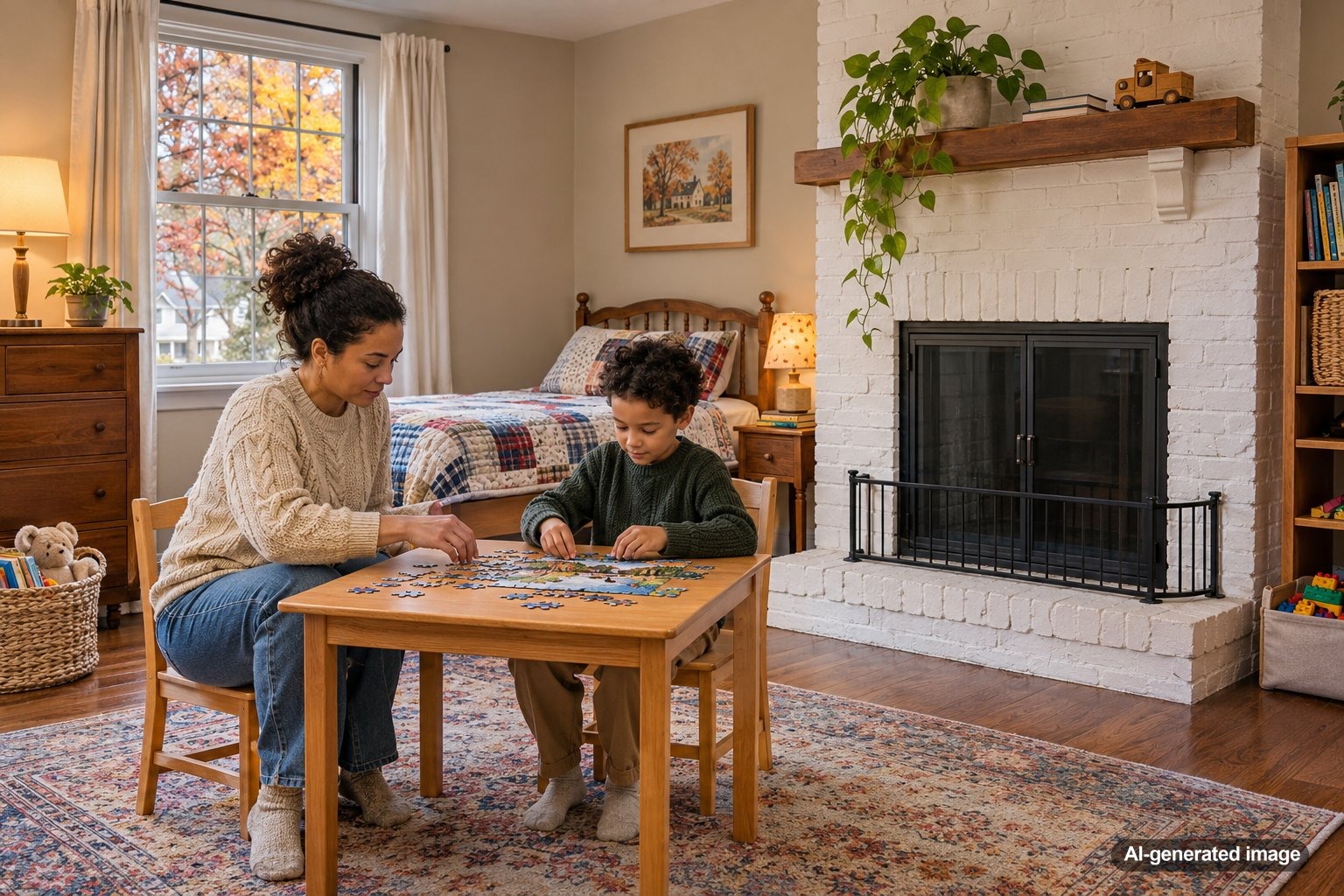
An unused fireplace might seem harmless, especially when you haven’t built a fire in years. But that chimney above your living room could still be affecting how efficiently your home stays warm. Even when a fireplace sits idle, its chimney can provide a pathway for heated indoor air to escape and cold outdoor air to enter. During a New Jersey winter, those unwanted air movements can make rooms uncomfortable and increase the amount of work your heating system must do.
Understanding the connection between an unused chimney and heating efficiency can help you identify a problem that is easy to overlook. The fireplace itself may not need attention every day, but air leakage around it can influence your home’s overall heating performance. If your furnace or boiler seems to run frequently despite reasonable thermostat settings, it’s worth considering whether the fireplace is part of the problem.
An unused fireplace chimney can reduce home heating efficiency when it allows conditioned indoor air to escape or outdoor air to enter. The impact depends on the chimney’s condition, damper, fireplace design, and the home’s overall air leakage. Common warning signs include:
- Cold drafts near the fireplace opening.
- A noticeable temperature difference between rooms.
- Cold air entering around a closed damper.
- Increased heating demand during windy or very cold weather.
- Unexplained discomfort near the fireplace even when the heating system is operating normally.
Why an Unused Chimney Can Still Lose Heat
A traditional masonry fireplace connects the living space to a vertical passage that extends through the roof. When the fireplace isn’t being used, the damper is supposed to restrict airflow through that passage. However, many older dampers don’t create an airtight seal.
Small gaps can allow warm indoor air to move upward and escape through the chimney. This movement is influenced by the stack effect, which occurs when temperature and pressure differences cause air to move through a building. During cold weather, warm indoor air naturally tends to rise, making upper-level leakage points particularly important.
When heated air escapes, replacement air must enter the house somewhere. That incoming air may pass through gaps around windows, doors, foundations, or other openings. Your heating system then has to warm that colder air to maintain the thermostat setting.
In older homes throughout Central and Northern New Jersey, this effect can be more noticeable because original fireplaces, aging dampers, and other building-envelope leaks may exist together.
How Chimney Dampers Influence Heating Efficiency
The damper is one of the most important components to consider when evaluating an unused fireplace. Its purpose is to control airflow through the chimney, but its effectiveness depends on its design, condition, and position.
Traditional Throat Dampers
Many masonry fireplaces have a metal damper located just above the firebox. These dampers may become warped, corroded, or difficult to close completely. Even when the handle indicates that the damper is closed, small gaps can remain around the edges.
A damper that doesn’t seal properly may permit unwanted airflow throughout the heating season.
Top-Sealing Chimney Dampers
Some fireplaces use a damper installed near the chimney opening at the roof. When properly selected and installed, a top-sealing damper may offer a tighter closure than an aging traditional throat damper.
However, damper replacement isn’t automatically the correct solution for every chimney. The fireplace configuration, venting requirements, and condition of the existing system need to be evaluated first.
Important: Never close, seal, or block a chimney that serves an operating furnace, boiler, water heater, or other fuel-burning appliance. An appliance vent must remain properly configured for safe operation.
Cold Drafts Can Make Your Heating System Work Harder
Heat loss isn’t limited to warm air escaping upward. Depending on wind conditions, indoor pressure, and the home’s ventilation equipment, an unused chimney may also become a source of incoming cold air.
You might notice a chilly sensation near the fireplace on windy evenings. In another home, the same fireplace may primarily leak heated air outward. Airflow can even change direction as conditions change.
This is why a fireplace draft doesn’t always behave predictably. Kitchen exhaust fans, bathroom fans, clothes dryers, and other equipment that removes indoor air can influence pressure differences throughout the house.
For homeowners, the practical consequence is uneven comfort. A living room with a leaky fireplace may remain cooler than nearby spaces, prompting someone to raise the thermostat. Meanwhile, bedrooms or other rooms may become warmer than necessary.
These temperature differences can create the impression that the heating equipment is underperforming, even when the main issue involves uncontrolled air movement.
Why Older New Jersey Homes May Be Especially Vulnerable
Central and Northern New Jersey have many homes with traditional masonry fireplaces built long before modern air-sealing practices became common. Some have chimneys that were once used regularly but now serve only as architectural features.
Several conditions can make an unused chimney more significant in these homes:
- Older masonry: Deteriorated mortar or damaged chimney components may contribute to air leakage or other maintenance concerns.
- Aging dampers: Metal components can corrode or become difficult to operate over time.
- Large fireplace openings: Traditional open fireplaces can create a substantial connection between the living area and chimney.
- Existing air leaks: Gaps elsewhere in the house can interact with chimney airflow and increase heating demand.
- Cold winter conditions: Greater temperature differences between indoors and outdoors can intensify pressure-driven air movement.
A fireplace chimney isn’t necessarily the largest source of heat loss in an older house. Attic bypasses, poorly sealed penetrations, inadequate insulation, and leaky ductwork may also contribute. Looking at the entire home is more useful than assuming one feature explains every comfort problem.
Does an Unused Chimney Affect Furnaces and Boilers Differently?
Both forced-air furnaces and hydronic boilers can be affected by heat loss through the building envelope, but the way occupants experience the problem may differ.
In a forced-air home, cold drafts near the fireplace can create an uncomfortable area even while warm air flows from nearby supply registers. The thermostat may call for additional heating if the affected space influences its temperature reading.
In a boiler-heated home, radiators or baseboard heating may deliver heat normally while the room continues losing warmth through the fireplace area. Longer heating cycles can result when overall heat loss increases.
Neither situation automatically means the furnace or boiler needs replacement. Before considering major equipment changes, homeowners should understand whether air leakage, insulation, thermostat placement, or equipment performance is responsible for the discomfort.
Professional heating service and maintenance can help identify equipment-related problems while providing an opportunity to discuss broader comfort concerns.
What Homeowners Can Safely Check
You don’t need to climb onto the roof or disassemble fireplace components to recognize possible warning signs. A few simple observations can help determine whether further evaluation is worthwhile.
- Notice whether the area near the unused fireplace feels unusually cold compared with the rest of the room.
- Pay attention to whether drafts become more noticeable during windy or especially cold weather.
- Check whether the fireplace damper appears to be in its intended closed position, but only if it is safe and accessible and the fireplace is not used for appliance venting.
- Observe whether the room remains uncomfortable despite normal heating operation.
- Make sure heating supply and return vents are not blocked by furniture or other objects.
- Check the HVAC air filter according to the equipment manufacturer’s recommendations.
A qualified chimney professional can inspect the fireplace, damper, masonry, and venting configuration. If the chimney is genuinely unused and no longer serves any appliance, that professional can explain appropriate options for reducing leakage while addressing ventilation and moisture considerations.
A fireplace should not be permanently sealed without verifying its purpose and condition. Improper changes can create moisture problems or dangerous venting conditions, particularly when fuel-burning equipment shares a chimney structure.
When the Problem May Be More Than a Draft
Air leakage can affect heating efficiency, but certain fireplace symptoms deserve attention for safety reasons rather than energy savings alone.
Persistent smoky odors, visible soot entering living spaces, damaged masonry, or evidence of water intrusion may indicate a need for professional chimney inspection. If the fireplace is connected to a combustion appliance, unusual odors or suspected exhaust problems require particular caution.
If a carbon monoxide alarm sounds, follow its emergency instructions, get everyone outside to fresh air, and contact emergency services. Never assume that an unused fireplace or chimney is harmless without confirming how the home’s venting system is arranged.
If a qualified chimney professional finds the fireplace is properly sealed yet the house still feels drafty, an HVAC evaluation may help identify heating-system issues, airflow restrictions, or temperature-control problems.
How to Improve Heating Efficiency Beyond the Fireplace
Addressing chimney leakage may be one useful step, but efficient heating depends on the interaction between the building and its mechanical systems.
For example, an older home might have a well-maintained furnace but significant air leakage around the attic, basement, and fireplace. Replacing the furnace alone won’t eliminate those leaks.
Similarly, sealing a chimney may reduce an unwanted air pathway without correcting restricted airflow, an inaccurate thermostat, or inadequate heat distribution.
Homeowners who want a broader approach should consider the condition of the building envelope alongside regular HVAC maintenance. Depending on the home, professional air-leakage testing, insulation improvements, and a review of heating performance may help identify worthwhile priorities.
Meyer & Depew’s residential HVAC services can support the heating-system side of that evaluation, helping homeowners understand whether equipment operation is contributing to persistent comfort concerns.
Frequently Asked Questions About Unused Fireplace Chimneys
Should I keep the damper closed if I never use my fireplace?
For a conventional wood-burning fireplace that is not in use, keeping the damper closed generally helps reduce unwanted airflow. However, it must be opened before lighting a fire. Never close a damper or vent that is required for an operating gas appliance or other combustion equipment. If the fireplace configuration is unclear, consult a qualified professional.
Can an unused chimney increase heating bills?
Yes. If heated indoor air escapes through the chimney or cold outdoor air enters, the heating system may need to operate longer to maintain the desired temperature. The actual impact varies with the chimney’s condition, weather, pressure differences, and other air leaks in the home.
Is it safe to block an unused chimney with insulation?
Homeowners should not stuff insulation or other materials into a chimney without professional evaluation. The chimney may serve an appliance, require appropriate moisture management, or have conditions that make an improvised blockage unsafe. A qualified chimney professional can recommend a suitable approach.
Could a fireplace draft be mistaken for a furnace problem?
Yes. A room may feel cold because outdoor air is entering near the fireplace even though the furnace is providing heat normally. However, a weak heating system, blocked vents, thermostat issues, or other problems can produce similar discomfort. An evaluation helps distinguish between these causes.
Will sealing an unused chimney eliminate cold rooms?
Not necessarily. Reducing chimney leakage may improve comfort if that leakage is a meaningful contributor, but poor insulation, other drafts, inadequate heating distribution, or equipment issues may still affect room temperatures.
Keep the Entire Home in Mind
An unused fireplace chimney can quietly affect heating efficiency, especially in older homes where dampers and air seals have deteriorated. The best solution begins with identifying whether the chimney is actually allowing unwanted airflow and whether it serves any active equipment.
Once chimney safety and air leakage are addressed by the appropriate professional, persistent cold spots or unusually long heating cycles deserve a closer look at the HVAC system. Evaluating both the building and the equipment is a practical way to make informed decisions about winter comfort.
Need help with your heating, cooling, or HVAC system?
Meyer & Depew serves homeowners and businesses throughout Central and Northern New Jersey.
Get a quote or call 908.272.2100.