

What Homeowners Should Know About AC Drain Line Backups
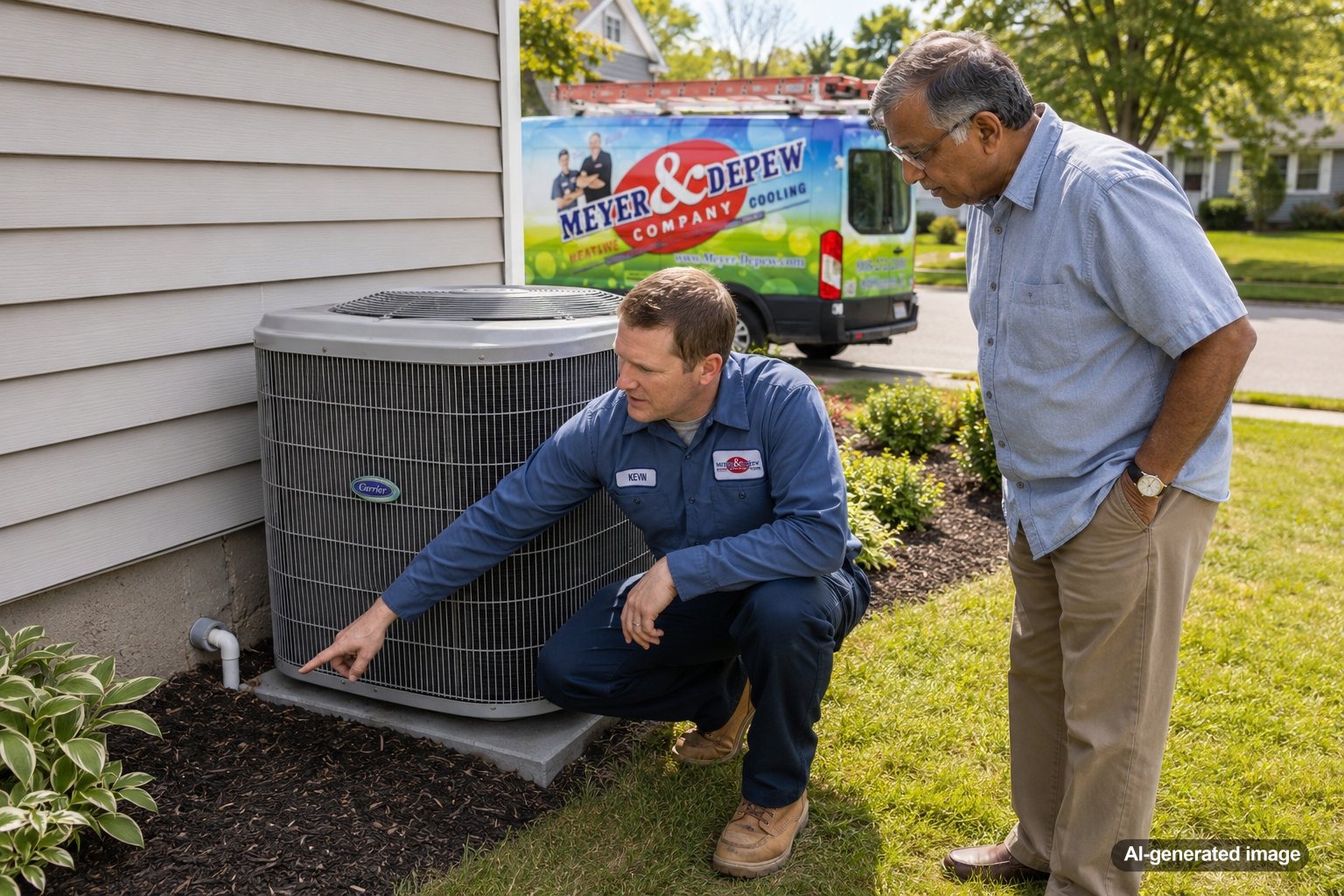
AC drain line backups are one of those air conditioning problems many homeowners do not think about until water shows up where it should not be. Your cooling system does more than lower the temperature. It also removes moisture from indoor air, and that moisture has to drain away safely. When the drain line clogs or backs up, the result can be water around the indoor equipment, musty odors, reduced cooling, or even a system shutdown.
For homeowners in Central and Northern New Jersey, this issue is especially common during humid summer weather, when AC systems may run for long stretches and remove a steady amount of condensation from the air. Understanding what the drain line does, why it backs up, and when to schedule AC service and maintenance can help you respond before a small drainage problem turns into a bigger comfort or water issue.
An AC drain line backup happens when condensation from the indoor cooling coil cannot drain properly. Common causes include algae buildup, dust, debris, improper slope, a blocked drain pan outlet, or a problem with the condensate pump. Homeowners can safely check for visible water, a dirty filter, blocked vents, or a tripped safety switch, but persistent drainage problems should be handled by a qualified HVAC technician.
What The AC Drain Line Actually Does
When warm indoor air passes over the cold evaporator coil, moisture in the air condenses on the coil. That water collects in a drain pan and flows through a condensate drain line to a safe discharge point. In many homes, the line uses gravity. In others, especially where equipment is located in a basement, attic, crawl space, or interior mechanical room, a condensate pump may be needed to move the water out.
Under normal conditions, you may never notice this process. During humid weather, though, an AC system can create a surprising amount of condensation. If the drain line is partially restricted, that steady water flow may begin to slow down. If it becomes fully blocked, water can overflow from the pan or trigger a safety switch that shuts the system off to help reduce the risk of water damage.
Common Signs Of An AC Drain Line Backup
A drain problem does not always look the same from one home to another. Sometimes the first sign is obvious water around the indoor unit. Other times, the system stops cooling even though the thermostat is calling for AC. In newer installations, a float switch may shut the equipment down before the drain pan overflows.
- Water pooling near the indoor air handler, furnace, or coil cabinet
- A musty smell near vents or around the HVAC equipment
- AC shutting off unexpectedly during humid weather
- Wet insulation, staining, or ceiling marks near attic equipment
- Unusual gurgling sounds near the drain line or condensate pump
- Repeated need to reset the system after cooling interruptions
Any visible water around HVAC equipment should be taken seriously. Even a small leak can affect flooring, ceilings, wall cavities, stored belongings, or nearby electrical components if it continues unnoticed.
Why Drain Lines Back Up
The most common cause is buildup inside the condensate line. Dust, pollen, algae, and biological growth can collect in the damp pipe over time. A dirty air filter can make this worse because more dust may reach the indoor coil area. In a humid New Jersey summer, the combination of steady condensation and organic buildup can create a blockage faster than homeowners expect.
Drain line backups can also be related to installation details or equipment conditions. A drain line that does not have the proper slope may not move water consistently. A cracked or rusted drain pan can leak before water reaches the line. A condensate pump may fail, lose power, or become clogged. In attic installations, an overflow pan may catch the problem temporarily, but it should not be treated as a long-term solution.
Safe Checks Homeowners Can Make
- Look for visible water around the indoor HVAC equipment.
- Check whether the air filter is dirty and replace it if needed.
- Make sure supply and return vents are open and not blocked.
- Confirm the thermostat is set correctly and the system has not been switched off accidentally.
- If there is a condensate pump, listen for unusual operation or silence when water is present.
- Check whether a breaker has tripped once, if it is safe to do so.
These checks can help you gather useful information, but avoid opening sealed equipment compartments, bypassing safety switches, working near wet electrical components, or trying to modify the drain system. If water is near electrical equipment, if you smell burning, or if anything appears unsafe, stop using the system and contact a qualified professional.
Why Ignoring A Backup Can Lead To Bigger Problems
A clogged condensate line may seem minor compared with a compressor or blower problem, but it can still create expensive headaches. Water can damage ceilings, flooring, insulation, drywall, cabinetry, and stored items. Moisture can also contribute to musty odors or microbial growth in areas where air should stay clean and dry.
Drain problems can also mask other HVAC issues. A frozen evaporator coil, poor airflow, dirty filter, or low airflow condition may create unusual water patterns as ice melts. A technician can evaluate whether the drain line is the only issue or whether another cooling problem is contributing to the water backup.
How Maintenance Helps Reduce The Risk
Routine AC maintenance often includes checking the condensate drain, drain pan, coil area, and related safety controls. Cleaning or clearing the drain line when needed can reduce the chance of an unexpected backup during peak cooling season. Maintenance cannot prevent every clog or breakdown, but it can help catch visible concerns before they interrupt comfort.
For homeowners who prefer to keep routine service on a schedule, a service plan can make it easier to stay ahead of seasonal HVAC care. This is especially useful for homes with attic air handlers, finished basements, older drain piping, high humidity, or past water issues around the indoor unit.
When To Call A Professional
Call for AC service if the system shuts off repeatedly, water continues to appear, the drain pan is overflowing, the condensate pump is not working properly, or you see stains near attic or ceiling-mounted equipment. Professional service is also the right next step if the drain line has backed up more than once, because repeated clogs may point to a slope, pump, pan, coil, or airflow issue that needs a closer look.
A qualified technician can clear the drain line, inspect the drain pan, check the float switch, evaluate the condensate pump, look for airflow problems, and confirm whether the system is draining correctly before it is returned to normal operation.
FAQ: AC Drain Line Backups
Can a clogged AC drain line stop my air conditioner from running?
Yes. Many systems have a float switch or safety device designed to shut the system off when water rises in the drain pan or secondary pan. This can help reduce water damage, but it also means the AC may stop cooling until the drainage problem is corrected.
Is water around my indoor AC unit always from the drain line?
Not always. A clogged drain line is common, but water can also come from a cracked pan, frozen coil, poor airflow, condensate pump issue, or installation problem. A technician can determine the source instead of guessing.
How often should the condensate drain be checked?
It is a good idea to have the drain line and pan checked during routine AC maintenance. Homes with high humidity, attic equipment, older systems, or previous drain problems may need closer attention.
Can I pour chemicals into the AC drain line?
Avoid using harsh chemicals unless a qualified HVAC professional specifically recommends a safe product for your system. The wrong approach can damage components, create fumes, or fail to clear the actual restriction.
AC drain line backups are common, but they should not be ignored. If you see water, smell musty odors, or your system shuts down during humid weather, the safest next step is to have the drainage system inspected and serviced.
Need help with your heating, cooling, or HVAC system?
Meyer & Depew serves homeowners and businesses throughout Central and Northern New Jersey.
Get a quote or call 908.272.2100.