



Why Your AC Fan Runs but the Outside Unit Does Not
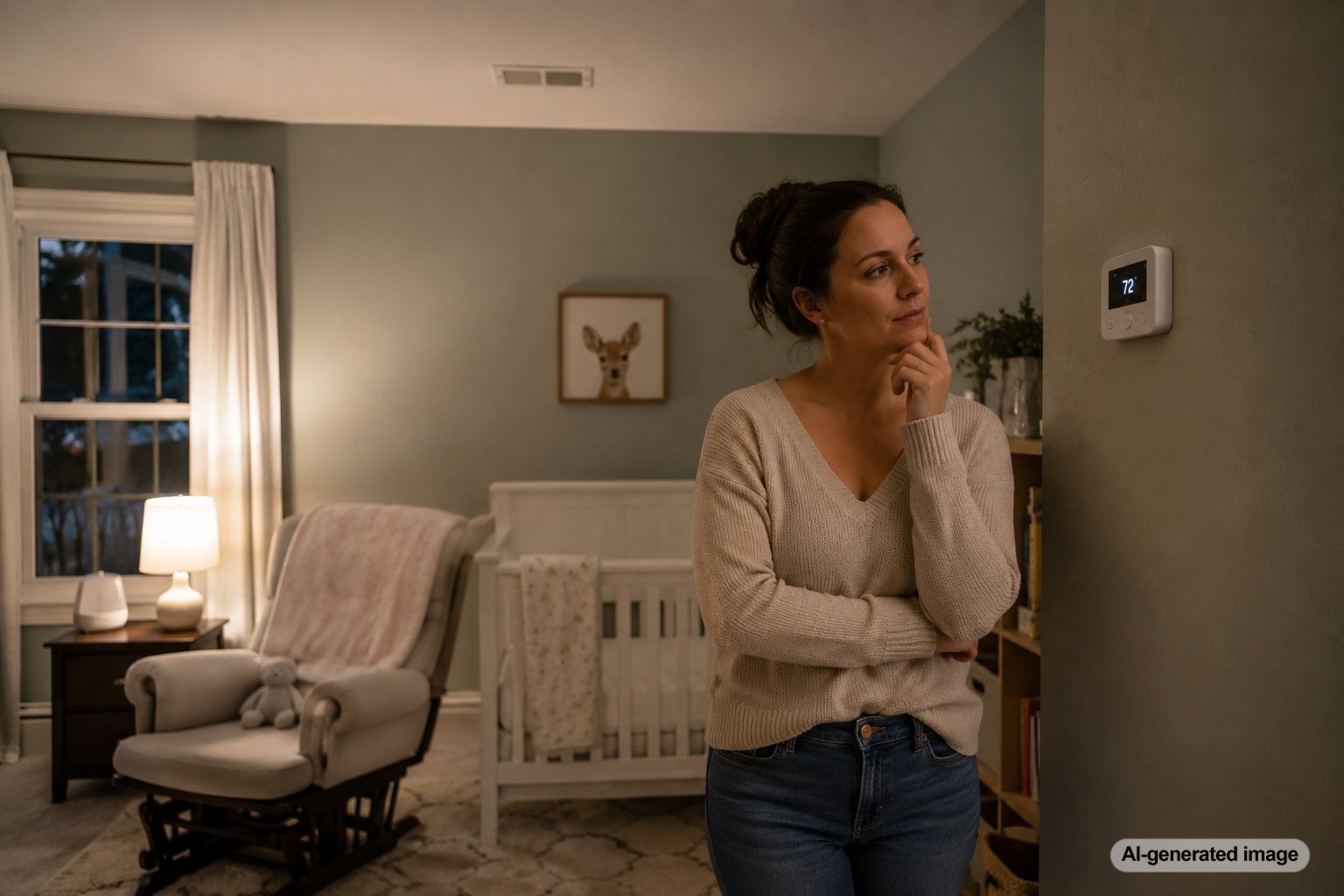
If your indoor AC fan is running but the outside unit is not, the system may circulate air without actually removing heat from your home. The cause could be as simple as a thermostat setting or tripped breaker, but it may also involve a failed capacitor, contactor, safety switch, wiring issue, or compressor problem. Because the outdoor unit uses high-voltage electricity and contains refrigerant components, diagnosis beyond a few basic checks should be left to a qualified HVAC technician.
During a hot New Jersey summer, this problem can quickly leave rooms warm and humid even though air is still coming from the vents. Meyer & Depew provides professional AC service and maintenance for homeowners throughout Central and Northern New Jersey.
When the indoor fan runs but the outside AC unit does not, the system is usually receiving only part of the cooling call. Check the thermostat, filter, outdoor disconnect area, and breaker once. If the condenser still does not start, schedule professional service rather than opening the equipment or attempting electrical repairs.
Why the indoor fan can run by itself
A central AC system has separate indoor and outdoor components. The indoor blower moves air through the ductwork, while the outdoor condenser releases heat collected from inside the home. These components are designed to operate together during a normal cooling cycle, but they do not always lose power or fail at the same time.
For example, the furnace or air handler may still have power while the outdoor condenser has lost power at a breaker, disconnect, or control component. The thermostat can also command the blower to run independently if its fan setting is set to On instead of Auto.
Common reasons the outside AC unit is not running
The thermostat fan setting is set to On
When the thermostat fan setting is set to On, the indoor blower may run continuously whether or not the outdoor unit is cooling. Set the fan to Auto and confirm that the system mode is set to Cool. Then lower the temperature setting several degrees below the current indoor temperature and wait a few minutes.
A breaker has tripped
The indoor and outdoor sections may be connected to different electrical circuits. A tripped breaker for the condenser can leave the indoor blower operating while the outdoor unit remains silent.
If it is safe to do so, check the electrical panel and reset a tripped AC breaker once. Move it fully to Off, then back to On. If it trips again, leave it off and contact a professional. Repeated resetting may create a shock or fire risk and can worsen equipment damage.
The outdoor disconnect has lost power
Most condensers have a disconnect box mounted near the unit. A loose connection, failed fuse, damaged component, or interrupted power supply can stop the outdoor unit. Homeowners should not open the disconnect box or test live electrical parts. A technician can safely verify whether proper voltage is reaching the equipment.
A capacitor or contactor may have failed
The capacitor helps the compressor and fan motor start, while the contactor acts as an electrically controlled switch. Either component can wear out, especially after years of operation or repeated starts during hot weather.
A failed capacitor may cause humming, clicking, or an outdoor fan that struggles to start. A failed contactor may prevent the condenser from receiving power even when the thermostat is calling for cooling. These parts should be tested and replaced by a qualified technician because they can hold or carry dangerous electrical voltage.
A safety switch may have opened
Some systems have condensate safety switches designed to shut down cooling when a drain line backs up or water collects where it should not. Depending on the system design, the indoor fan may continue running while the outdoor unit stays off.
Visible water around the air handler, furnace, drain pan, or condensate line is a reason to stop using the system and schedule service. Do not bypass a safety switch, since it may be preventing water damage.
The outdoor fan motor or compressor may have a problem
If the condenser receives the correct power and control signal but still does not operate, the issue may involve the outdoor fan motor, compressor, internal overload, wiring, or another major component. A technician will need to test the system before determining whether repair or replacement is appropriate.
Restricted airflow may have caused the system to shut down
A severely dirty filter, blocked return, closed vents, or dirty indoor coil can restrict airflow. In some cases, the evaporator coil may freeze, and the outdoor unit may stop while the blower continues circulating air.
If you see ice on refrigerant lines or indoor equipment, turn the cooling mode off and leave the fan set to Auto or On only if advised by a technician. Do not chip away ice or apply heat to the coil.
Safe checks homeowners can make
- Confirm the thermostat is set to Cool and the fan is set to Auto.
- Lower the thermostat setting several degrees below the room temperature.
- Inspect the air filter and replace it if it is visibly dirty.
- Make sure supply vents and return grilles are open and not blocked by furniture.
- Look for obvious leaves, grass, or debris around the outdoor unit without opening any panels.
- Check the AC breaker once and reset it only if it is safe to do so.
- Look for visible water, ice, smoke, sparks, or a burning smell.
After checking the thermostat and breaker, allow several minutes for the system to respond. Many thermostats and control boards include a short delay that protects the compressor from restarting too quickly.
What not to do
Do not remove the condenser access panel, touch wiring, test capacitors, push in the contactor, add refrigerant, bypass a safety switch, or repeatedly reset a breaker. These steps can expose you to high voltage, stored electrical energy, moving parts, or refrigerant.
If the outdoor unit is humming, clicking repeatedly, producing a burning smell, smoking, sparking, or tripping the breaker, shut the system off and arrange professional service promptly.
When to call an HVAC professional
Schedule service when the outdoor unit does not start after basic thermostat and breaker checks, or when the problem returns after the system briefly operates. Professional diagnosis is also appropriate when cooling is weak, indoor humidity rises, ice appears, water collects near the equipment, or unusual sounds come from the condenser.
An HVAC technician can evaluate the thermostat signal, electrical supply, capacitor, contactor, fan motor, compressor, refrigerant pressures, airflow, condensate controls, and system safety devices. That full evaluation matters because several different failures can produce nearly identical symptoms.
You can request a service appointment if your AC blower is running but the outside unit will not start.
Frequently asked questions
Can I keep running the indoor fan if the outside unit is off?
The fan can circulate air, but it will not provide normal cooling or dehumidification without the outdoor unit. If the system has frozen, running the fan may help thaw the coil, but the underlying problem still needs to be identified.
Could a dirty filter stop the outside AC unit?
A dirty filter does not usually cut power directly to the condenser, but severe airflow restriction can contribute to coil freezing, high operating stress, and protective shutdowns. Replace a visibly dirty filter and schedule service if normal operation does not return.
Why is the outside unit humming but not starting?
Humming can indicate that the unit is receiving power but a motor, capacitor, compressor, or related component is unable to start. Turn the system off and have it evaluated rather than allowing it to continue humming.
How long should I wait for the outside unit to start?
Many systems have a built-in delay of several minutes after a thermostat change or power interruption. If the condenser still does not start after about five minutes, and the thermostat and breaker appear correct, professional service is appropriate.
Does this problem mean I need a new AC system?
Not necessarily. Some causes involve replaceable controls or electrical components, while others may involve a major repair. System age, repair history, efficiency, comfort performance, and the cost of the diagnosed repair should all be considered before deciding between repair and replacement.
An indoor fan that runs while the outside AC unit stays off means the system is not completing a normal cooling cycle. Basic thermostat, filter, vent, debris, and breaker checks are reasonable, but electrical and refrigerant diagnosis should be handled by a qualified HVAC professional.
Need help with your heating, cooling, or HVAC system?
Meyer & Depew serves homeowners and businesses throughout Central and Northern New Jersey.
Get a quote or call 908.272.2100.