


Why Dirty Filters Are Not the Only Airflow Problem
A dirty filter is one of the first things to check when your heating or cooling system seems weak, noisy, uneven, or slow to condition the house. But it is not the only reason airflow can suffer. In many Central and Northern New Jersey homes, airflow problems are caused by a mix of restricted vents, duct issues, dirty coils, blower trouble, humidity, older equipment, or a system that was never balanced well in the first place.
That matters because replacing the filter may help, but it may not solve the whole problem. If rooms still feel stuffy, some vents barely move air, or your AC runs for long periods without keeping up, the next step is to look at the entire airflow path. For cooling concerns, Meyer & Depew’s AC service and maintenance team can evaluate what is happening beyond the filter.
Dirty filters can restrict airflow, but weak airflow can also come from blocked supply or return vents, undersized or damaged ductwork, dirty evaporator coils, blower motor problems, closed dampers, clogged condensate issues, poor system design, or equipment that is aging or improperly sized. If a clean filter does not restore normal airflow, the system should be checked by a qualified HVAC technician.
Why the Filter Gets Blamed First
The air filter is easy to see, easy to replace, and genuinely important. When it is clogged with dust, pet hair, renovation debris, or other particles, your system has to pull air through a tighter restriction. That can reduce comfort, strain equipment, increase run time, and contribute to coil or heat exchanger concerns depending on the system and conditions.
Still, the filter is only one point in a much larger loop. Air has to move through return grilles, return ducts, the filter, the blower, the indoor coil or heat exchanger, supply ductwork, registers, and the rooms themselves. A problem anywhere along that route can make the whole system feel like it is struggling.
Airflow Problems That Have Nothing To Do With The Filter
One common issue is blocked or undersized return air. A return grille hidden behind furniture, clogged with dust, or too small for the system can limit how much air gets back to the equipment. When the system cannot pull enough air in, it cannot push enough conditioned air out.
Supply vents can create similar trouble. Closed registers, rugs over floor vents, furniture pushed against wall registers, or dampers that were adjusted and forgotten can make certain rooms uncomfortable. In older New Jersey homes with additions, finished attics, or converted spaces, the duct layout may not match how the home is used today.
Ductwork itself can also be the culprit. Leaky connections, crushed flexible duct, disconnected sections, poorly insulated ducts in hot or cold spaces, or long duct runs with too many turns can all reduce airflow before it ever reaches the room. These problems are often hidden behind walls, above ceilings, in crawl spaces, or in attics, which is why they are easy to miss during a simple homeowner check.
When The Equipment Is The Restriction
Sometimes the airflow issue starts inside the HVAC equipment. A dirty indoor coil can act like a second clogged filter because air has to pass across that coil during cooling operation. If the coil is restricted, airflow drops and the system may have trouble removing heat and humidity from the home.
The blower assembly matters too. Dust buildup on blower wheel fins, a weak blower motor, failing capacitor, belt issues on certain equipment, or incorrect blower settings can all affect air movement. These are not safe DIY repairs. A qualified technician can inspect the equipment, measure performance, and determine whether cleaning, adjustment, repair, or replacement should be considered.
Improper system sizing can add another layer. A system that is too small may run constantly and still struggle on humid summer days. A system that is too large may short cycle, leaving rooms uneven and humidity less controlled. In both cases, the symptom may feel like an airflow issue even when the cause is a larger design or equipment match problem.
Why Airflow Issues Often Show Up Room By Room
Weak airflow is not always felt evenly throughout the home. One bedroom may be hot, a finished basement may feel damp, or a second floor may stay uncomfortable during a New Jersey heat wave. These room-by-room problems are often tied to duct balance, sun exposure, insulation, return placement, or the way air moves between rooms when doors are closed.
For homes with recurring uneven comfort, options such as zoning systems, duct adjustments, thermostat changes, ductless equipment, or targeted repairs may be worth discussing. The right answer depends on whether the problem is airflow, heat gain, equipment performance, or a combination of factors.
Safe Checks Before You Call
- Inspect or replace the air filter if it looks dirty or is overdue.
- Make sure supply vents and return grilles are open and not blocked by furniture, rugs, curtains, or storage.
- Check that the thermostat is set correctly and the fan setting has not been changed by mistake.
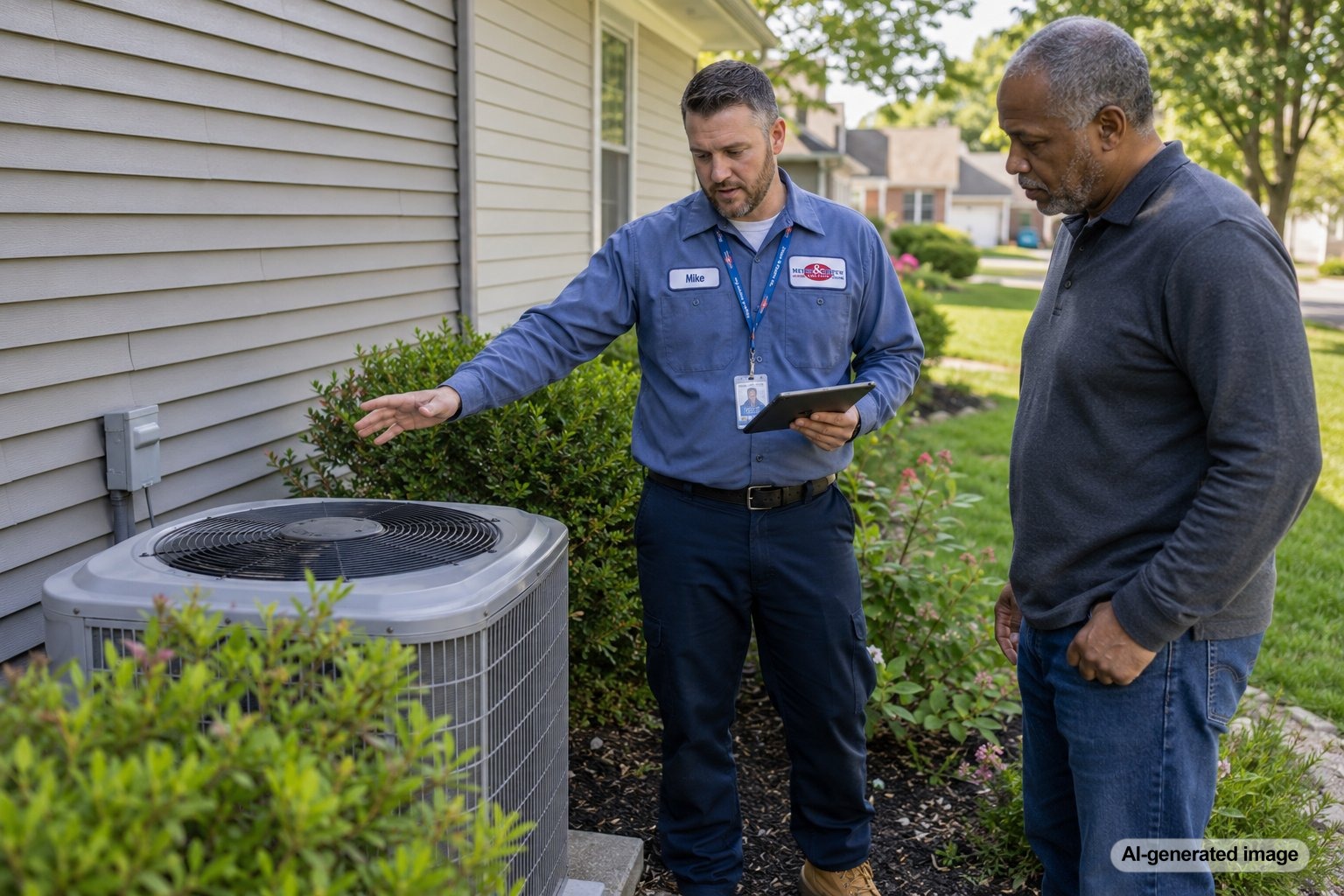
- Look for obvious debris around the outdoor unit, keeping plants and loose material away from the sides.
- If it is safe to do so, check whether the breaker has tripped once. If it trips again, stop and call a professional.
These checks are useful, but they are not a substitute for professional testing when airflow remains weak. Do not open sealed equipment panels, bypass switches, adjust wiring, add refrigerant, or attempt to clean internal components unless you are trained to do so. HVAC systems include electrical, refrigerant, combustion, and moving parts that should be handled carefully.
When Airflow Problems Need Professional Attention
Professional service is a smart next step when replacing the filter does not improve airflow, when some rooms consistently receive little air, when the system is noisy, when coils freeze, when the AC runs constantly, or when comfort drops even though the thermostat setting has not changed. A technician can look at the system as a whole rather than guessing from one symptom.
Depending on the situation, an HVAC evaluation may include checking static pressure, inspecting ductwork, looking at blower operation, reviewing coil condition, confirming thermostat settings, and checking whether the system is operating safely and within expected limits. For ongoing care, a service plan can help keep routine maintenance from being overlooked.
A dirty filter is worth checking first, but airflow is a system-wide issue. If the filter is clean and comfort is still uneven, weak, noisy, or unreliable, the cause may be hidden in the ducts, equipment, controls, or home layout.
FAQ: Airflow Problems Beyond Dirty Filters
Can a clean filter still cause airflow problems?
Yes. A filter can be clean but still too restrictive if it is the wrong type for the system or if the system already has duct or return-air limitations. The right filter should balance air cleaning with proper airflow for the equipment.
Why is one room getting less air than the others?
Uneven airflow can come from duct layout, dampers, closed vents, poor return air, long duct runs, insulation issues, sun exposure, or room location. A technician can help determine whether the issue is airflow, heat gain, or both.
Can weak airflow damage my AC?
Restricted airflow can contribute to longer run times, poor cooling, frozen coils, humidity problems, and added strain on components. It does not automatically mean major damage has occurred, but it should be addressed before the issue gets worse.
How often should I replace my HVAC filter?
Many homes need filter checks every 1 to 3 months, but the right timing depends on the filter type, pets, dust levels, system use, and household conditions. During heavy cooling or heating seasons, checking more often can help.
Should I close vents in unused rooms to improve airflow elsewhere?
Closing too many vents can increase pressure in the duct system and may create new comfort or equipment problems. It is better to have airflow concerns evaluated instead of relying on closed vents as a long-term fix.
Need help with your heating, cooling, or HVAC system?
Meyer & Depew serves homeowners and businesses throughout Central and Northern New Jersey.
Get a quote or call 908.272.2100.