

Can Fall Temperature Swings Make an HVAC System Run More Often?
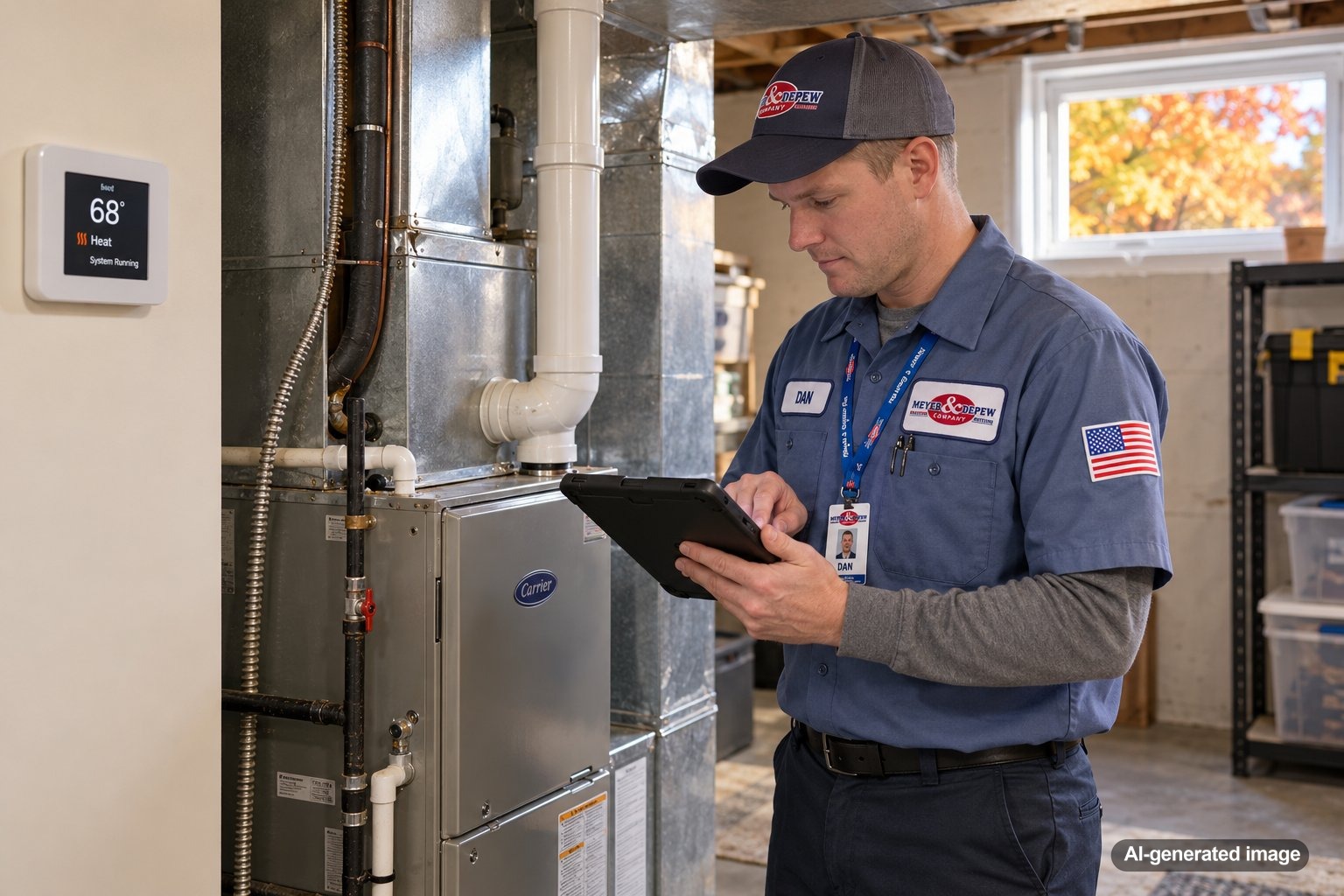
Yes. Fall temperature swings can make an HVAC system run more often, especially when chilly mornings are followed by mild or warm afternoons. In Central and Northern New Jersey, a home may need heat before breakfast, little conditioning during the middle of the day, and then heat again after sunset. Depending on thermostat settings, the cooling system may even be called into action during an unusually warm afternoon.
More frequent operation during changing weather is not automatically a problem. The important distinction is whether the system is responding normally to changing indoor temperatures or cycling so frequently that it never seems to complete a normal heating or cooling cycle. Understanding that difference can help you decide whether to adjust settings, monitor the system, or schedule heating service and maintenance.
- Large day-to-night temperature changes can increase the number of heating or cooling cycles.
- Thermostat settings and schedules can make fall cycling more noticeable.
- Normal cycling should still include meaningful run times rather than constant starts and stops.
- A dirty filter, airflow restriction, thermostat issue, or equipment problem may make frequent cycling worse.
- If the system starts and stops unusually often or comfort becomes inconsistent, professional evaluation is a sensible next step.
Why Fall Weather Can Increase HVAC Run Time
During steady summer heat or winter cold, an HVAC system often operates in one primary mode for long stretches of the season. Fall is different. Outdoor temperatures can move through a much wider range within the same 24-hour period.
For example, a cool overnight temperature can lower the indoor temperature enough to trigger the heating system in the morning. Solar gain through windows and a warmer afternoon may then reduce the need for heat. If the afternoon becomes warm enough, a low cooling setpoint could trigger the AC. As evening temperatures fall, the heating system may start operating again.
The HVAC system is not necessarily working harder because something is wrong. It may simply be responding to changing conditions more often than it did during a stable stretch of weather.
Your Thermostat Can Make the Pattern More Noticeable
Thermostat settings have a major influence on how frequently equipment runs during shoulder seasons. A very narrow comfort range can cause the system to respond to relatively small indoor temperature changes. Complicated schedules can also create additional calls for heating or cooling as setpoints change throughout the day.
Homes with automatic heating and cooling changeover deserve particular attention. Auto mode can be convenient, but the heating and cooling setpoints should have enough separation to keep the system from bouncing unnecessarily between modes. Homeowners using programmable or smart thermostat options should review seasonal schedules instead of assuming the settings that worked in July will also make sense in October.
Normal Fall Cycling Versus Short Cycling
Frequent operation and short cycling are not the same thing. A system can run several times throughout a fall morning because the house keeps losing heat and still be operating normally. Short cycling generally describes a pattern in which equipment starts, runs only briefly, shuts off, and then starts again soon afterward.
Repeated short cycles may be associated with several different conditions, including thermostat placement or settings, restricted airflow, a clogged filter, equipment sizing, controls, or an equipment fault. Because multiple issues can create similar symptoms, homeowners should avoid assuming that one particular component has failed.
Pay attention to the pattern. A heating system that runs for a reasonable period, satisfies the thermostat, and remains off for a while is behaving differently from one that repeatedly starts and stops every few minutes without maintaining comfortable temperatures.
Other Fall Conditions That Can Change How Often the System Runs
Outdoor temperature is only one factor. Several seasonal changes can affect heating and cooling demand inside the building.
- Sunlight: Strong afternoon sun can warm south- and west-facing rooms even on a cool day.
- Open windows and doors: Enjoying mild fall air can quickly change indoor temperature and humidity once the windows are closed again.
- Wind: Breezy conditions may increase heat loss through air leaks in some homes.
- Occupancy: Cooking, appliances, gatherings, and changing work-from-home schedules can add indoor heat.
- Uneven rooms: Upper floors or rooms with significant sun exposure may warm differently than shaded areas, causing thermostat settings to feel less consistent.
Safe Checks Homeowners Can Make
- Review the thermostat mode, schedule, and temperature settings.
- Inspect the air filter and replace it if appropriate for your system and it is dirty.
- Make sure supply registers and return vents are open and not blocked by furniture, rugs, or other items.
- Look for obvious leaves or debris restricting airflow around an outdoor unit.
- Notice how long each cycle lasts rather than focusing only on the total number of times the system starts.
Avoid opening equipment panels, adjusting electrical components, bypassing safety controls, or attempting repairs involving refrigerant, gas, combustion components, or high-voltage wiring. Those tasks belong with a qualified HVAC technician.
When Frequent Fall Operation Deserves Professional Attention
Consider scheduling service if the HVAC system begins starting and stopping much more frequently than usual, cannot maintain the thermostat setting, produces noticeably weak airflow, makes new or unusual noises, or creates significant temperature differences between rooms.
Professional service is also appropriate when frequent cycling continues even after reasonable thermostat adjustments and basic airflow checks. A technician can evaluate the thermostat, controls, airflow, heating and cooling equipment, and other system conditions without relying on guesswork.
If you smell gas, notice smoke, sparks, an electrical burning odor, or have a carbon monoxide concern, prioritize safety. Leave the affected area when appropriate and contact the proper emergency service, utility, or qualified professional rather than continuing to operate or troubleshoot the equipment.
Can Seasonal HVAC Maintenance Help?
Fall is a practical time to make sure heating equipment is ready before colder weather becomes consistent. Maintenance cannot prevent every future breakdown, but routine inspection and service may identify developing issues, airflow concerns, worn components, or control problems before the system is operating through sustained winter demand.
Homeowners who prefer a more structured approach to recurring maintenance can also review Meyer & Depew’s service plans.
Frequently Asked Questions
Is it normal for heat to run in the morning and AC to run later the same day?
It can be. During a large fall temperature swing, a cool morning may create a need for heating while sunlight and warmer afternoon temperatures may later raise the indoor temperature enough to create cooling demand. Thermostat settings determine whether both modes are allowed to operate.
Should I use auto mode on my thermostat during fall?
Auto changeover can be convenient when outdoor temperatures vary widely, but the heating and cooling setpoints should have an appropriate separation. Check the thermostat manufacturer’s guidance or ask an HVAC professional if you are unsure how your particular thermostat handles automatic changeover.
Does frequent HVAC operation mean my system is failing?
Not necessarily. Changing outdoor temperatures can naturally increase the number of daily cycles. Concern is more appropriate when cycles become unusually short, comfort declines, airflow changes, or other abnormal symptoms appear.
Can a dirty filter cause more frequent cycling?
A heavily restricted filter can interfere with airflow and may contribute to operating problems. Inspecting the filter is one of the simplest safe checks homeowners can make when HVAC behavior changes.
When should I schedule service for frequent cycling?
Schedule professional service when the system repeatedly starts and stops after very short run times, fails to maintain the thermostat setting, or continues behaving unusually after basic thermostat, filter, and vent checks.
Fall temperature swings can absolutely make an HVAC system operate more often. What matters is whether those cycles correspond to changing weather and thermostat demand or whether the equipment is repeatedly starting and stopping without maintaining comfort. Watching cycle length, checking simple airflow issues, and reviewing thermostat settings can help you tell the difference.
Want to make HVAC maintenance easier to stay on top of?
A service plan can help keep routine heating and cooling maintenance on your calendar before small issues become bigger headaches.
You can also request a service appointment.