

What Homeowners Should Know About New AC Refrigerants
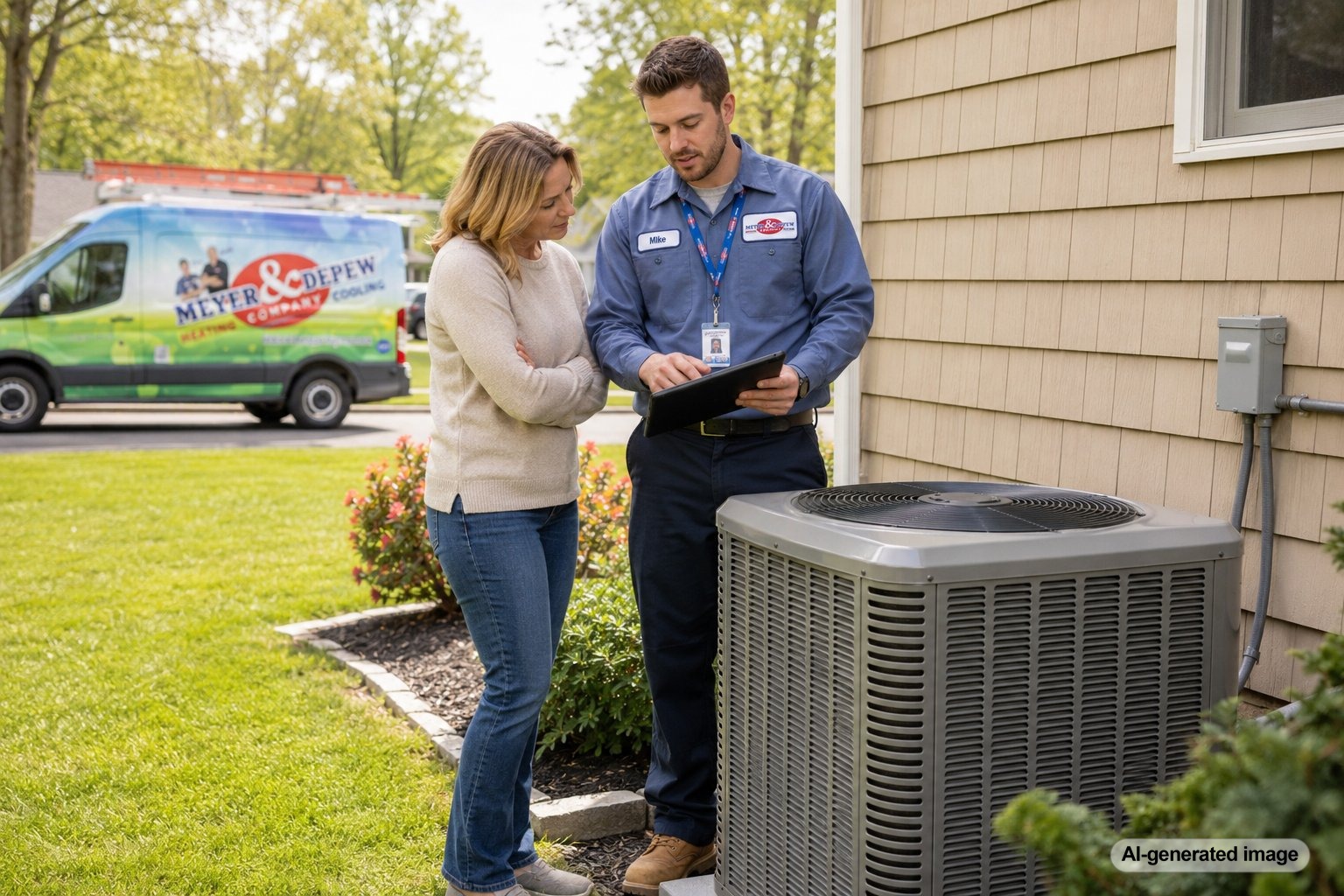
Homeowners across Central and Northern New Jersey are starting to hear more about changes in air conditioning refrigerants, and for good reason. The HVAC industry is in the middle of a transition away from older refrigerants like R-410A toward newer, lower environmental impact options often grouped as A2L refrigerants. For most homeowners, this does not mean immediate changes to their existing system, but it does affect future repairs, replacements, and equipment choices. Understanding what is changing now can help you avoid surprises later when your AC needs service or when it is time to consider an upgrade.
In practical terms, refrigerant is the chemical that allows your air conditioner to remove heat from your home. When regulations shift, manufacturers and technicians must adjust to new standards, which can influence equipment compatibility and long-term service options. This is especially important in New Jersey, where older homes and heavily used cooling systems often put extra demand on HVAC equipment during hot, humid summers.
Learn more about AC Service and Maintenance or explore AC Installation and Replacement when considering system updates.
- New refrigerants are being introduced to reduce environmental impact and meet updated regulations.
- Most existing AC systems using older refrigerants can still be serviced, but availability may change over time.
- New equipment will be designed specifically for newer refrigerant types, not mixed with older ones.
- Homeowners do not need immediate system changes, but future repairs and replacements will be affected.
What is changing with AC refrigerants
The biggest shift in the HVAC industry is the move away from high global warming potential refrigerants toward newer alternatives with lower environmental impact. This includes the gradual phaseout of R-410A in favor of newer blends commonly referred to as A2L refrigerants. These newer options are designed to meet updated environmental standards while still delivering effective cooling performance in residential and commercial systems.
Why the refrigerant change is happening
Refrigerant changes are driven by environmental regulations aimed at reducing greenhouse gas impact. Over time, older refrigerants have been identified as more harmful to the environment, leading manufacturers and regulators to introduce alternatives. While this change is happening across the industry, it is designed to be gradual so homeowners and businesses can transition without immediate disruption.
How it may affect homeowners in New Jersey
For most homeowners, the immediate impact is minimal if your system is currently operating well. However, over time, servicing older systems may become more complex as certain refrigerants are phased down. This can affect the cost and availability of parts or refrigerant recharge services. If your system is already aging or struggling during peak summer demand, it may be worth planning ahead for replacement options that use newer refrigerant technology.
Service and compatibility considerations
One of the most important considerations is compatibility. Older systems are designed specifically for their original refrigerant type and cannot simply be switched to a new one. This means technicians must continue to service older systems using approved materials while also preparing for newer equipment standards. Regular maintenance through a trusted HVAC provider can help extend system life and ensure safe operation while the industry transition continues.
What homeowners can safely check
- Check thermostat settings to confirm cooling mode is correct.
- Replace or inspect your air filter for airflow restrictions.
- Make sure supply and return vents are open and not blocked.
- Look for visible debris around the outdoor condenser unit.
When to call a professional
If your system is struggling to cool your home, cycling frequently, or showing signs of refrigerant issues such as reduced cooling performance, it is important to have a qualified technician evaluate it. Refrigerant handling is not a homeowner task and requires specialized equipment and certification. A professional can determine whether a repair is appropriate or if planning for replacement is the better long-term option.
FAQ
Will my current AC system stop working because of new refrigerants?
No. Existing systems will continue to operate as designed. The changes mainly affect future servicing and replacement equipment.
Can older systems be converted to new refrigerants?
No. Systems are designed for specific refrigerants and cannot safely or effectively be converted to a different type.
Should I replace my AC system now?
Not necessarily. If your system is reliable, routine maintenance is usually sufficient. Replacement decisions should be based on system age, performance, and repair history.
Will repairs become more expensive?
Over time, certain refrigerants and components may become less available, which can influence repair costs for older systems.
Need help with your heating, cooling, or HVAC system?
Meyer & Depew serves homeowners and businesses throughout Central and Northern New Jersey.
Get a quote or call 908.272.2100.