

How to Tell If Your Home Has Enough Return Air
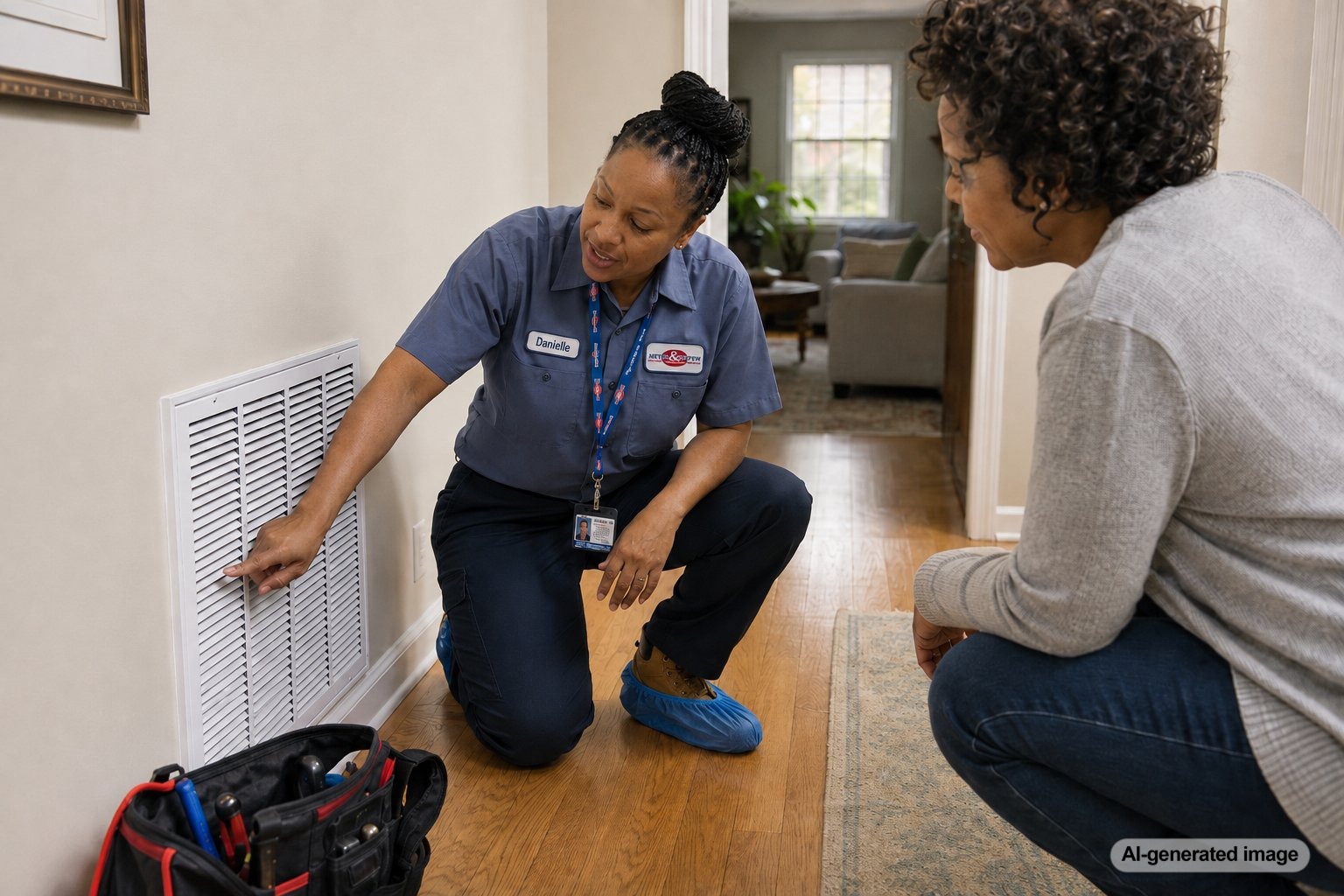
Your HVAC system does not just push conditioned air into your rooms. It also needs a clear path to pull air back through the return side of the system. If your home does not have enough return air, the system may struggle to move air properly, rooms can feel uneven, and your heating or cooling equipment may run harder than it should.
For many homes in Central and Northern New Jersey, return air problems are most noticeable during humid summer weather or cold winter stretches, when the system is working longer hours. The issue is not always obvious because a return vent can look fine from the outside while still being undersized, blocked, poorly located, or restricted by the ductwork behind it. If comfort problems keep coming back, a professional airflow evaluation through an experienced AC service and maintenance visit can help identify what is really happening.
Your home may not have enough return air if doors are hard to close when the system runs, rooms feel stuffy, airflow from supply vents seems weak, filters get dirty quickly, or the HVAC system sounds strained. A qualified technician can check return sizing, duct restrictions, static pressure, filter setup, and overall system balance.
Why Return Air Matters
Return air is the air your HVAC system pulls from the home so it can be heated, cooled, filtered, and redistributed. Supply vents deliver conditioned air. Return vents bring air back. Both sides need to work together.
When the return side is restricted, the blower may not be able to move the amount of air the system was designed to handle. That can affect comfort, efficiency, filtration, humidity control, and equipment performance. In cooling season, restricted return airflow may make the AC run longer without improving comfort. In heating season, it can contribute to uneven temperatures and unnecessary strain.
Return air problems are especially common in older homes, homes with additions, finished basements, closed-off rooms, or remodeled layouts where the original duct design no longer matches how the home is used. A system can have enough capacity on paper and still feel uncomfortable if the air cannot circulate properly.
Signs Your Home May Not Have Enough Return Air
One clue is uneven pressure between rooms. If a bedroom door pulls shut, pushes open, or feels hard to close while the HVAC system is running, the room may not have a good path for air to return. This often happens when supply air enters a closed room but cannot easily get back to a central return.
Weak supply airflow can also point to return restrictions. Homeowners often assume weak airflow means a supply vent problem, but the system cannot push air out effectively if it cannot pull enough air back in. A clogged filter, blocked return grille, undersized return duct, or poorly designed return path can all contribute.
Other warning signs may include noisy return grilles, whistling sounds, hot or cold spots, stuffy rooms, excessive dust near return vents, short cycling, or a system that seems to run constantly during peak weather. None of these signs proves the return air is the only issue, but they are good reasons to look closer.
Safe Checks Homeowners Can Make First
- Make sure return vents are open and not covered by furniture, rugs, curtains, storage bins, or pet beds.
- Check whether the air filter is dirty, overly restrictive, or installed incorrectly.
- Keep interior doors open for a short period and see whether airflow or room comfort improves.
- Look for obvious airflow noise at the return grille, such as loud rushing or whistling.
- Confirm that supply and return vents have not been closed in rooms that are used regularly.
These checks are safe for most homeowners and can sometimes solve a simple restriction. Avoid removing ductwork, opening HVAC equipment panels, bypassing switches, or trying to modify the system yourself. Return air issues often involve duct sizing, blower performance, static pressure, and system design, which should be evaluated by a qualified professional.
Common Return Air Problems
A blocked return grille is the simplest issue. Furniture placed too close to a return can reduce airflow enough to affect comfort. High-efficiency filters can also create problems when the system is not designed for the added resistance. The right filter should protect the equipment without starving it for airflow.
Another common issue is an undersized return duct. The grille may look large enough, but the duct behind it may be too small, too long, kinked, or poorly routed. In some homes, the return layout was never designed to support today’s equipment, home additions, or room usage patterns.
Closed-door pressure is another overlooked problem. If bedrooms have supply vents but no dedicated return, transfer grille, jump duct, or adequate undercut beneath the door, air may become trapped when doors are closed. This can make some rooms uncomfortable while the main area near the thermostat feels normal.
How Return Air Affects Indoor Air Quality And Comfort
Return airflow also affects how well air is filtered and mixed throughout the home. If the return path is poor, some rooms may feel stale or humid while others feel comfortable. Dust may collect unevenly, and the thermostat may not reflect what people feel in bedrooms, offices, or upper floors.
In New Jersey homes, humidity can make these issues more noticeable. During cooling season, poor airflow can make the home feel clammy even when the thermostat setting appears reasonable. For broader comfort concerns involving filtration, humidity, ventilation, or stale air, Meyer & Depew’s air quality and comfort services can help homeowners understand the available options.
When To Call A Professional
Schedule professional service if airflow problems continue after you have checked the filter, cleared blocked vents, and opened interior doors. A technician can measure system performance, inspect the duct layout, evaluate return grille sizing, check static pressure, and look for restrictions that are not visible from the living space.
It is also wise to call if the system is noisy, short cycling, freezing, overheating, or struggling to keep up during normal weather. These symptoms can have several possible causes, and guessing can lead to the wrong repair. A return air issue may be part of the problem, but a complete evaluation helps avoid missing other concerns.
If you notice burning smells, smoke, sparks, gas odors, carbon monoxide concerns, or water around electrical equipment, prioritize safety and contact the appropriate emergency service, utility, or qualified professional right away.
FAQ About Return Air
Does every room need a return vent?
Not always. Some homes use central returns with door undercuts, transfer grilles, or other return paths. The important question is whether air can move back to the system without creating pressure problems or comfort issues.
Can a dirty filter make it seem like I do not have enough return air?
Yes. A dirty or overly restrictive filter can limit airflow on the return side. If airflow improves after installing the correct clean filter, the issue may have been restriction rather than duct design.
Is it okay to close return vents?
Return vents should generally remain open and unobstructed. Closing or blocking them can affect system airflow and may contribute to comfort or performance problems.
Can adding return air solve uneven rooms?
It may help in some homes, but uneven rooms can also be caused by duct design, insulation, sun exposure, zoning needs, equipment sizing, or thermostat placement. A professional evaluation can identify which factors matter most.
If your home has weak airflow, stuffy rooms, noisy returns, pressure changes when doors close, or comfort problems that keep returning, the return side of the HVAC system deserves attention. A clear, properly sized return path helps the system move air more effectively and can support better comfort throughout the home.
Need help with your heating, cooling, or HVAC system?
Meyer & Depew serves homeowners and businesses throughout Central and Northern New Jersey.
Get a quote or call 908.272.2100.