



What Is the Difference Between an HVAC Diagnostic Fee and a Repair Charge?
Estimated reading time: 8 minutes
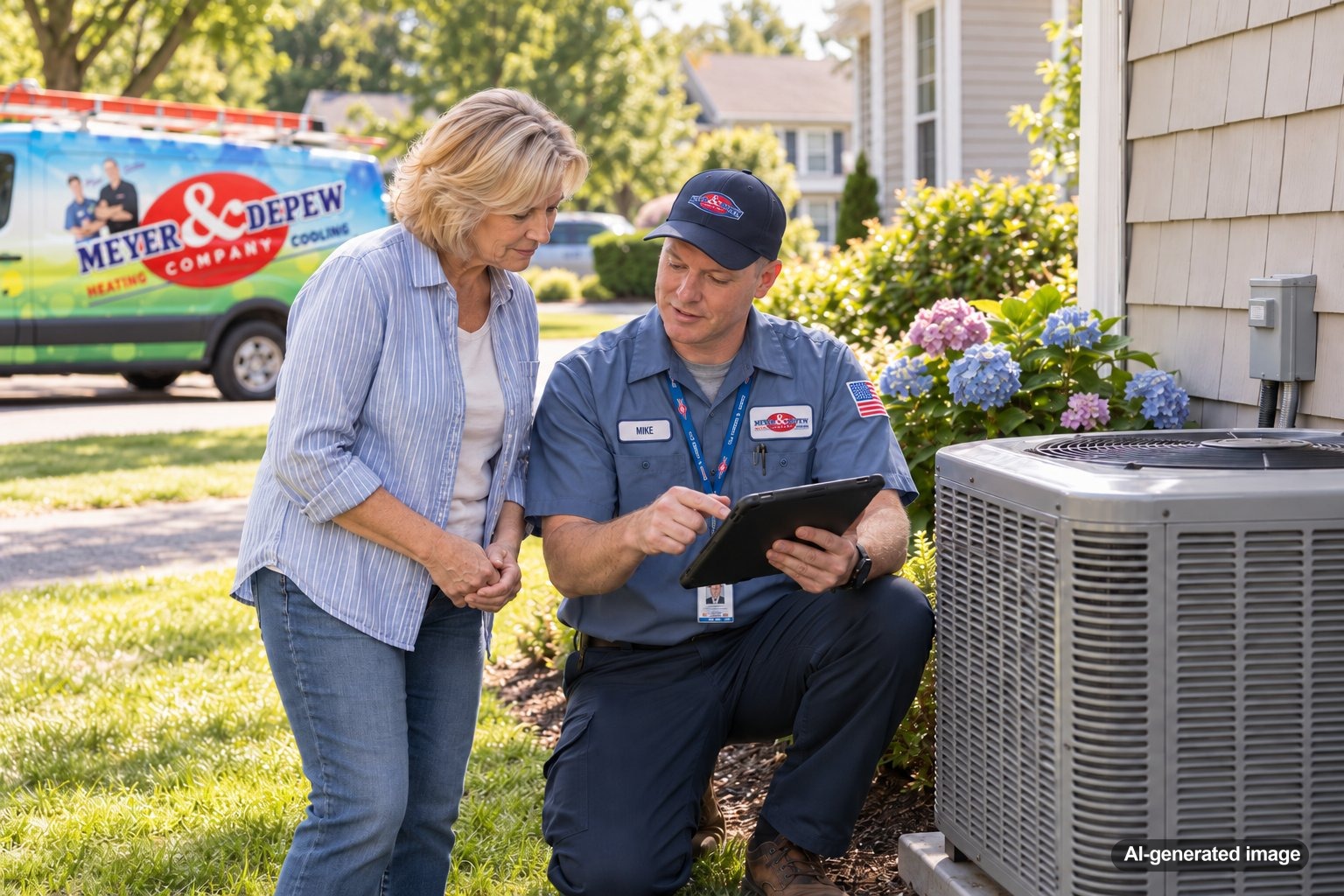
When your furnace stops heating or your air conditioner starts blowing warm air, you want to know two things: what is wrong and what it will take to fix it. But when you call an HVAC contractor, you may hear about a diagnostic fee before anyone can provide a repair estimate. That can raise an understandable question: are you paying twice for the same service? Not necessarily. An HVAC diagnostic fee generally covers the professional evaluation needed to identify a problem, while a repair charge covers the labor, parts, and other work required to correct it. Understanding that distinction makes it easier to evaluate a service estimate and avoid surprises.
For homeowners and businesses throughout Central and Northern New Jersey, knowing how these charges work can also help when comparing contractors. The important issue is not simply whether a company charges a diagnostic fee, but what that fee includes, how repair pricing is presented, and when you are expected to approve additional work.
An HVAC diagnostic fee pays for evaluating equipment and identifying the likely cause of a problem. A repair charge pays for the work authorized to correct that problem. The two may be billed separately, and some contractors may credit a diagnostic fee toward an approved repair. Policies vary, so ask about the terms before scheduling service.
What Does an HVAC Diagnostic Fee Cover?
A diagnostic fee generally compensates the contractor for sending a qualified technician to evaluate a malfunctioning heating or cooling system. Diagnosing HVAC equipment requires more than observing that a furnace will not start or an AC system is not cooling. The technician needs to determine what is preventing the equipment from operating correctly.
Depending on the equipment and symptoms, a diagnostic visit may involve reviewing thermostat operation, checking airflow, inspecting accessible components, evaluating electrical performance, and testing relevant operating conditions. The specific procedures depend on the system, the reported problem, and what the technician finds.
For example, a homeowner might report that an air conditioner runs continuously without cooling the house. Possible explanations include restricted airflow, a malfunctioning component, or a refrigerant-related issue. Those situations may produce similar symptoms but require very different repairs. A professional evaluation helps distinguish among them.
A diagnostic fee is not necessarily a promise that every possible equipment problem will be discovered. It typically applies to the evaluation of the reported concern. Intermittent faults, inaccessible components, or problems requiring extensive testing may call for additional investigation.
What Does an HVAC Repair Charge Cover?
A repair charge covers the authorized work necessary to address a diagnosed problem. Depending on the repair, the charge may account for replacement parts, technician labor, materials, and the work needed to confirm that the equipment operates properly afterward.
Consider a heating system with a failed component. The diagnostic visit establishes which component is likely responsible for the malfunction. The repair charge covers replacing or repairing that component, along with the associated service work.
Some contractors offer a quoted price for the complete repair. Others may use a pricing structure that separates parts, labor, or additional services. Neither format automatically tells you whether an estimate is reasonable. What matters is whether the proposed work and total authorized charge are clear.
A repair estimate should also distinguish necessary corrective work from optional recommendations. For instance, a technician may identify the immediate cause of a breakdown while noticing another maintenance concern. The additional recommendation should be explained rather than automatically treated as part of the original repair.
HVAC Diagnostic Fee vs. Repair Charge: The Key Differences
| Question | Diagnostic Fee | Repair Charge |
|---|---|---|
| Primary purpose | Identify the cause of the problem | Correct the diagnosed problem |
| Typical work | Inspection, troubleshooting, and testing | Parts replacement, adjustments, and authorized repairs |
| When it applies | Usually during the initial evaluation | When corrective work is approved |
| Does it guarantee a fix? | No, it covers diagnostic work | It covers the specified repair, subject to its terms |
| Can it apply toward the repair? | Sometimes, depending on company policy | May reflect an eligible diagnostic credit |
Why Isn’t the Diagnostic Fee Automatically Included in the Repair?
Diagnosis and repair are separate stages of service. A technician must spend time evaluating the equipment even when the customer ultimately decides not to authorize the proposed repair.
Imagine that an older air conditioner stops cooling during a New Jersey summer. The technician evaluates the system and identifies a significant component failure. After reviewing the findings, the homeowner decides to compare repair and replacement options rather than proceed immediately.
The diagnostic work was still performed, even though no repair took place. A separately stated diagnostic fee allows the evaluation to be billed independently of the customer’s final decision.
This distinction can be helpful when deciding whether to repair or replace an aging system. Understanding the problem before committing to corrective work gives the property owner a clearer basis for comparing options.
Can the Diagnostic Fee Be Applied Toward the Repair?
Sometimes. Some HVAC contractors offer to credit all or part of a diagnostic fee toward a qualifying repair, while others bill the evaluation separately. There is no reason to assume a particular policy applies without asking.
Before scheduling, clarify whether any credit requires same-day approval, applies only to certain repairs, or has other conditions. Also ask whether the quoted repair total includes the credit or whether it will appear separately on the invoice.
A diagnostic credit can be useful, but it should not become the only factor in choosing a contractor. The accuracy of the diagnosis, clarity of the recommended work, and overall service quality matter more than an isolated billing feature.
Questions to Ask Before Approving an HVAC Repair
Clear communication helps prevent confusion when an unexpected heating or cooling problem needs attention. Before authorizing work, consider asking:
- What does the diagnostic fee include? Find out whether it covers the initial evaluation and what could lead to additional testing charges.
- Will the diagnostic fee be credited toward the repair? Ask about eligibility and any applicable conditions.
- What exactly failed? Request a plain-English explanation connecting the technician’s findings to the symptoms.
- What is included in the proposed repair price? Clarify whether the quote includes parts, labor, and relevant follow-up testing.
- What happens if another problem is discovered? Ask whether further work will require separate approval.
- Are repair or replacement alternatives worth considering? This can be especially relevant when an older system requires substantial work.
Keeping a written copy of the estimate is useful if you need to review the proposed work, consult another decision-maker, or compare options before authorizing service.
What Can You Check Before Scheduling a Diagnostic Visit?
Some comfort problems have straightforward explanations that homeowners can safely review without opening HVAC equipment or attempting repairs.
- Confirm that the thermostat is set to the intended heating or cooling mode.
- Check whether the selected temperature is appropriate.
- Inspect the air filter and replace it if needed, following the equipment instructions.
- Make sure supply registers and return air openings are not blocked.
- Look for obvious debris restricting airflow around the outdoor unit.
- Note any unusual noises, error messages, or patterns in the malfunction.
Do not open electrical compartments, bypass safety devices, handle refrigerant components, or attempt gas-related repairs. If you notice smoke, sparks, or an electrical burning smell, stop using the equipment and seek appropriate professional or emergency assistance. For a suspected gas leak, leave the area and contact the gas utility or emergency services from a safe location.
If the issue continues, professional troubleshooting is the appropriate next step. Homeowners can learn more about Meyer & Depew’s AC service and maintenance and heating service and maintenance options.
Frequently Asked Questions About HVAC Service Charges
Do I Pay the Diagnostic Fee if I Decline the Repair?
Under many service arrangements, yes. The diagnostic fee covers an evaluation already performed, regardless of whether the customer approves the recommended repair. Confirm the contractor’s terms before the appointment.
Is a Service Call Fee the Same as a Diagnostic Fee?
Not always. Some companies use the terms interchangeably, while others distinguish a trip or dispatch charge from equipment troubleshooting. Ask what the quoted fee actually covers rather than relying on the name alone.
Can a Repair Cost More Than the Initial Estimate?
Additional problems can sometimes become apparent during repair work. A contractor should explain newly discovered concerns, clarify any change in scope, and obtain appropriate authorization before proceeding with additional billable work.
Does HVAC Maintenance Include Diagnostic Service?
Routine maintenance and troubleshooting a specific malfunction are different services. Maintenance commonly focuses on inspection, cleaning, and operational checks, while a diagnostic visit investigates a reported problem. A service plan may have specific provisions for diagnostic visits, so review its terms rather than assuming coverage.
Should I Get a Second Opinion on an HVAC Repair?
A second opinion may be useful when the proposed repair is extensive, the diagnosis is unclear, or replacement is being considered. Keep in mind that another contractor may need to perform an independent evaluation and charge for that work.
The Bottom Line: Know What You Are Authorizing
An HVAC diagnostic fee and a repair charge serve different purposes. One covers finding the likely problem; the other covers correcting it. Understanding both charges, asking about diagnostic credits, and reviewing the repair scope before approval can make an unexpected service visit easier to manage.
Whether you’re dealing with an AC problem during humid summer weather or a heating failure during a winter cold snap, a clear explanation of the diagnosis and proposed repair helps you make a practical decision about your equipment.
Need help with your heating, cooling, or HVAC system?
Meyer & Depew serves homeowners and businesses throughout Central and Northern New Jersey.
Get a quote or call 908.272.2100.