



How HVAC Maintenance Can Help Prevent Musty Indoor Air
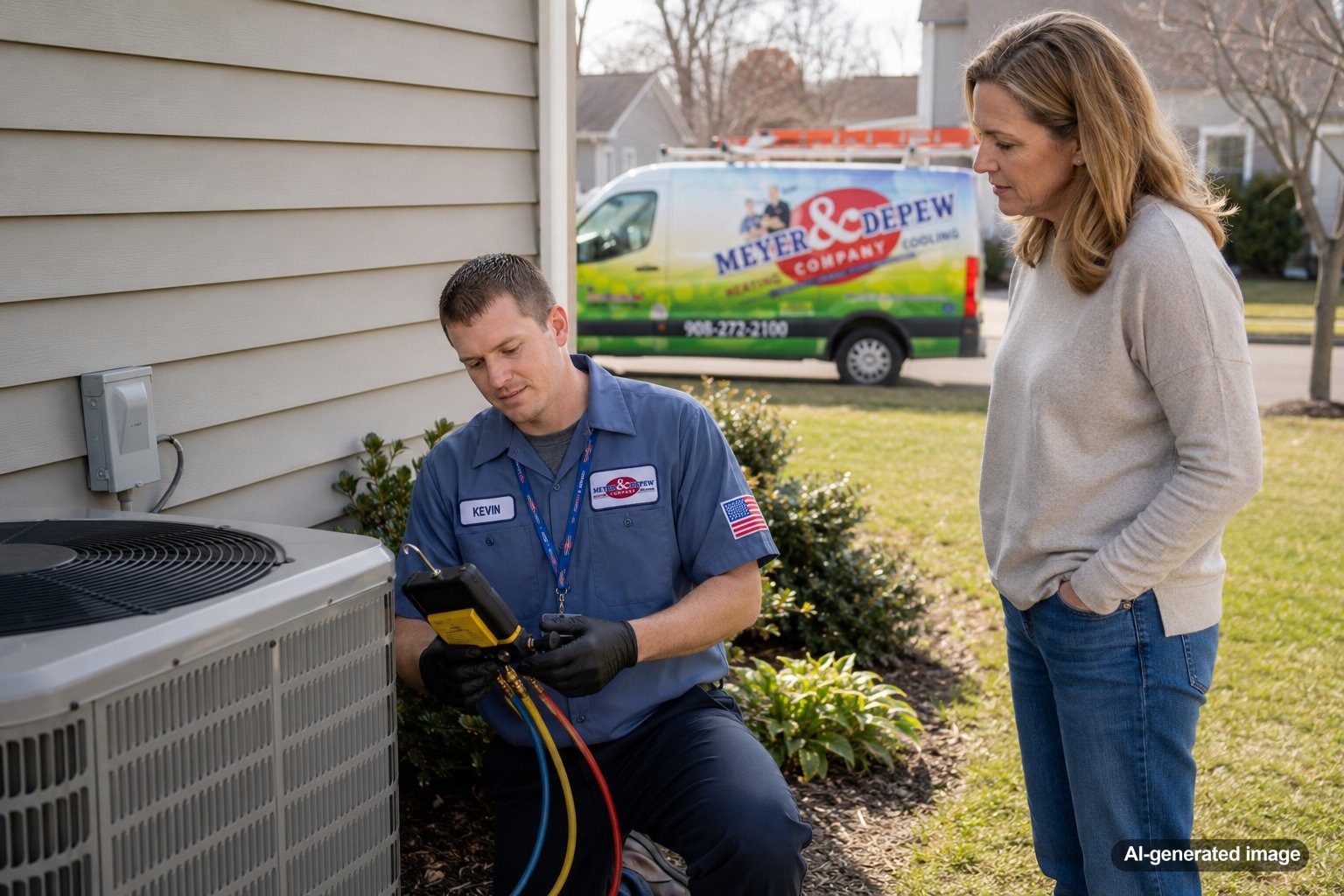
Musty indoor air can make a home feel damp, stale, and uncomfortable, especially during humid New Jersey weather. While a musty smell can come from many places, your HVAC system often plays an important role in how moisture, airflow, filtration, and ventilation are managed throughout the house.
Routine HVAC maintenance may help reduce the conditions that allow musty odors to linger. It cannot solve every moisture problem, and it should not be treated as a substitute for addressing leaks, standing water, or hidden mold concerns. Still, professional maintenance can help keep key comfort systems working more cleanly and consistently. For homeowners in Central and Northern New Jersey, Meyer & Depew offers air quality and comfort solutions that can support a healthier-feeling indoor environment.
HVAC maintenance can help prevent musty indoor air by improving airflow, keeping filters and coils cleaner, checking drainage, supporting humidity control, and identifying comfort issues before they become more noticeable.
Why Musty Air Often Points To Moisture And Airflow Problems
A musty odor usually means stale air, excess moisture, or organic buildup is present somewhere in the home. In New Jersey homes, this can be more noticeable during long stretches of humid weather, after heavy rain, in basements, or in rooms that do not receive enough conditioned airflow.
Your HVAC system moves air through the home many times a day. If airflow is weak, filters are clogged, coils are dirty, or condensate drainage is not working properly, the system may struggle to remove moisture from the air. That does not mean the HVAC system is always the source of the smell, but it can influence whether musty air improves or continues to circulate.
How Maintenance Helps The System Manage Moisture
Air conditioning does more than cool the air. During normal operation, it also removes some humidity as warm indoor air passes over the cold evaporator coil. When the system is clean, properly maintained, and operating as designed, it is better positioned to support comfort and moisture control.
If the coil is dirty, airflow is restricted, or the system is short cycling, moisture removal may be less effective. A maintenance visit allows a qualified technician to inspect the system, look for conditions that can affect humidity control, and recommend next steps when the equipment is not performing as it should.
This matters because musty air is often not caused by one single issue. A slightly clogged filter, poor airflow to a damp room, an aging system, and high outdoor humidity can all add up. Maintenance helps narrow down what the HVAC system is contributing to the problem.
Key HVAC Maintenance Tasks That Can Help Reduce Musty Odors
Professional maintenance is not just a quick glance at the equipment. For musty indoor air concerns, the most useful maintenance steps are the ones that affect air movement, moisture removal, and cleanliness inside the system.
- Filter inspection and replacement: A dirty filter can reduce airflow and allow dust to collect inside the system.
- Coil inspection: A dirty indoor coil can interfere with cooling and moisture removal.
- Condensate drain review: A blocked or slow drain can create damp conditions around cooling equipment.
- Blower and airflow checks: Weak airflow can leave certain rooms feeling stale or humid.
- System operation testing: Short cycling or uneven performance can reduce the system’s ability to condition the home properly.
Homeowners who want routine care built into their schedule may also want to review Meyer & Depew’s service plans. Regular maintenance can make it easier to keep small HVAC concerns from being ignored until comfort problems become more obvious.
When Musty Air Is Not Just An HVAC Problem
HVAC maintenance can help, but it should not be expected to correct every source of musty indoor air. If the smell is strongest in a basement, crawl space, attic, wall cavity, or around plumbing fixtures, there may be a building moisture issue that needs separate attention.
Common non-HVAC contributors include roof leaks, foundation seepage, damp carpeting, wet insulation, poorly ventilated bathrooms, and stored items in humid spaces. In commercial buildings, musty air can also be tied to occupancy patterns, closed-off zones, roof drainage, or ventilation that does not match how the space is being used.
A qualified HVAC technician can evaluate the heating and cooling system, but visible mold, significant water damage, or persistent moisture may require additional evaluation from the right building, remediation, or indoor environmental professional.
Safe Checks Homeowners Can Make Before Scheduling Service
- Inspect or replace the air filter if it is dirty or overdue.
- Make sure supply and return vents are open and not blocked by furniture, rugs, or storage.
- Check thermostat settings and confirm the system is running in the correct mode.
- Look for obvious standing water, damp materials, or visible debris around indoor HVAC equipment.
- Notice whether the odor is throughout the home or limited to one room, basement, or floor.
These checks can provide useful clues, but they should stay simple and safe. Do not open sealed HVAC components, attempt electrical repairs, adjust refrigerant, modify drain lines beyond basic observation, or bypass safety controls. If you notice smoke, sparks, a burning electrical smell, carbon monoxide concerns, or flooding near equipment, prioritize safety and contact the appropriate emergency service, utility, or qualified professional.
Indoor Air Quality Options May Also Help
If maintenance finds that the HVAC system is operating properly but the home still feels stale, additional indoor air quality options may be worth discussing. Depending on the home, this could include better filtration, ventilation improvements, humidity control, air purification, or zoning changes that improve comfort in problem areas.
The right solution depends on the cause. A home with high humidity may need a different approach than a home with poor ventilation or a home where one finished basement room never gets enough airflow. Meyer & Depew can help homeowners evaluate relevant air purification systems and related comfort options when they fit the situation.
When To Call A Professional
Schedule professional HVAC service if the musty smell returns soon after filter changes, gets worse when the system runs, appears with weak airflow, or comes with uneven cooling, excess humidity, water near equipment, or frequent cycling. These symptoms can point to maintenance issues, drainage concerns, airflow restrictions, or equipment performance problems that should be evaluated by a qualified technician.
You should also call if your system has not been maintained recently. Even if the odor comes from another part of the home, a maintenance visit can confirm whether the HVAC system is helping or hurting overall comfort and air movement.
FAQ
Can HVAC maintenance remove a musty smell completely?
It may help if the smell is related to dirty filters, poor airflow, coil buildup, or drainage issues. If the odor is caused by leaks, damp building materials, or mold outside the HVAC system, those issues need to be addressed separately.
How often should HVAC maintenance be scheduled?
Many homes benefit from routine seasonal maintenance, typically before the cooling and heating seasons. The right schedule can depend on system age, usage, pets, allergies, and indoor air quality concerns.
Can a dirty air filter make indoor air smell musty?
A dirty filter can contribute to stale air by restricting airflow and allowing more dust to collect inside the system. It may not be the only cause, but it is one of the easiest safe checks for homeowners.
Does humidity make musty air worse?
Yes. Higher indoor humidity can make odors more noticeable and can create conditions where dampness lingers. HVAC performance, ventilation, and humidity control all matter when trying to improve indoor comfort.
HVAC maintenance cannot prevent every cause of musty indoor air, but it can reduce common system-related contributors such as poor airflow, dirty components, drainage issues, and weak humidity control.
Want to make HVAC maintenance easier to stay on top of?
A service plan can help keep routine heating and cooling maintenance on your calendar before small issues become bigger headaches.
You can also request a service appointment.