



How to Keep Your AC Running Better During Vacation
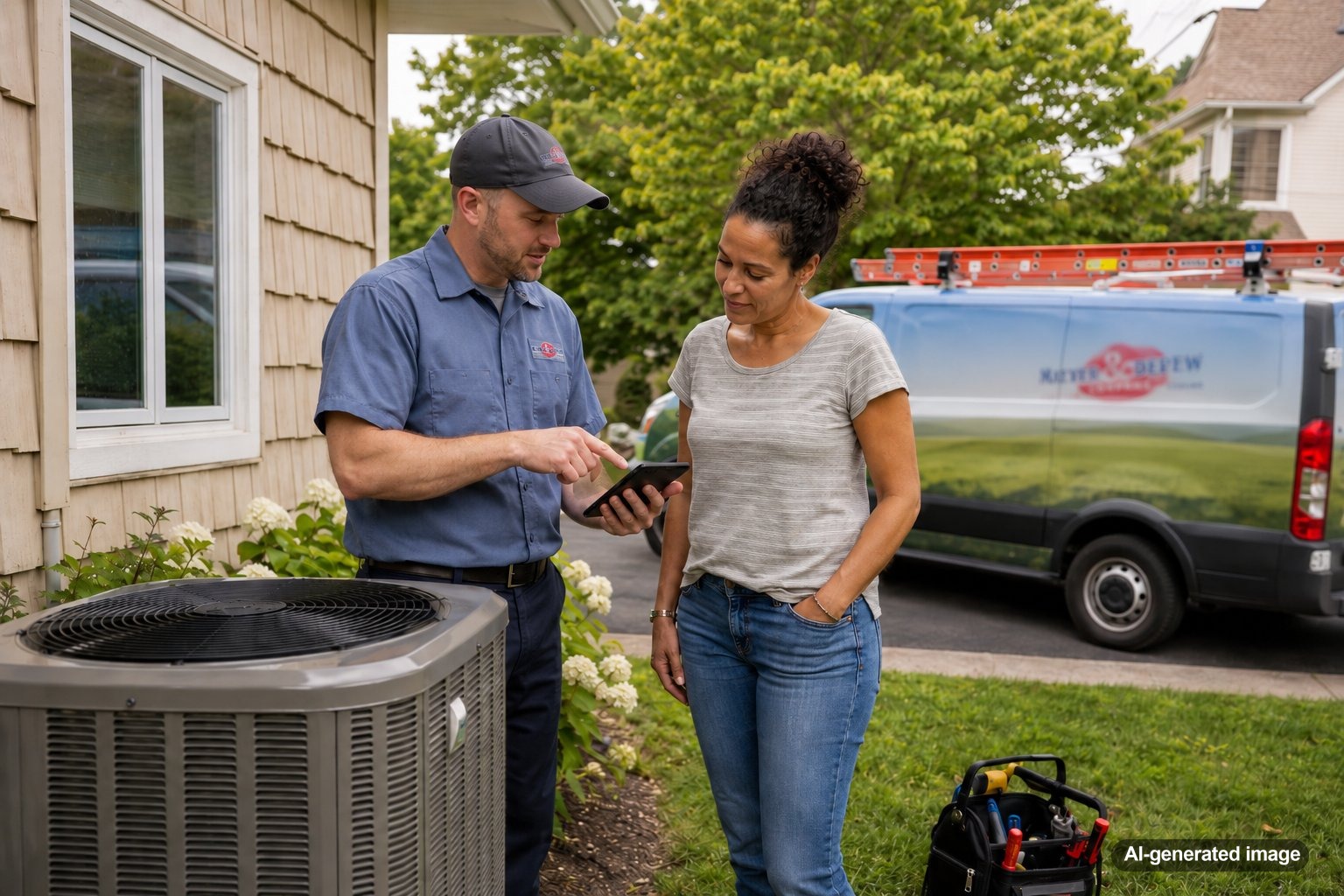
Leaving for vacation should feel relaxing, not like one more reason to worry about your home. Your AC does not need to cool an empty house the same way it does when everyone is home, but shutting it off completely during a hot, humid New Jersey stretch can create problems with moisture, stale air, and uncomfortable conditions when you return.
A few smart steps before you leave can help your cooling system run more steadily, reduce unnecessary strain, and make it easier to come back to a comfortable home. For homeowners in Central and Northern New Jersey, where summer humidity can be just as challenging as the heat, vacation AC planning is really about balance: save energy where you can, but do not leave your home unprotected.
To keep your AC running better during vacation, raise the thermostat instead of turning the system off, replace or inspect the air filter, keep vents and returns open, clear obvious debris from around the outdoor unit, and consider scheduling AC service and maintenance before a longer trip if your system has been acting up.
Set the thermostat higher, but do not turn the AC off
One of the most common vacation cooling mistakes is turning the AC off completely. That may seem like the best way to save energy, but during humid New Jersey weather, it can allow indoor temperatures and moisture levels to climb. Warm, humid air can make the home feel stale, put extra stress on the system when it finally restarts, and may contribute to musty odors in some homes.
A better approach is to set the thermostat higher than your normal comfort setting. Many homeowners choose a setting around the upper 70s or low 80s while away, depending on the home, pets, humidity concerns, and the length of the trip. The goal is not to make the house cold. It is to let the system cycle enough to manage heat and humidity without cooling an empty home all day.
Use a programmable or smart thermostat wisely
If you have a programmable or smart thermostat, vacation mode can be useful. It lets you hold a more efficient temperature while you are gone and bring the house back closer to your normal setting before you return. That can help avoid a long, hard cooling run after days of heat buildup.
Before leaving, confirm the thermostat is actually set to cooling mode, the schedule is correct, and no temporary hold will expire in the middle of your trip. If you use a connected thermostat, make sure the app is working and notifications are enabled. A smart thermostat cannot fix an AC problem on its own, but it can help you spot unusual temperature changes sooner.
If you are considering better temperature control, Meyer & Depew offers options for all thermostats, including smart thermostat solutions that may make seasonal comfort easier to manage.
Replace or inspect the air filter before you leave
A clogged air filter can restrict airflow, making your AC work harder than it should. That is not ideal at any time, but it is especially inconvenient when you are away and not there to notice warning signs like weak airflow, longer run times, or uneven cooling.
Before vacation, check the filter and replace it if it looks dirty or is near the end of its recommended service life. This is one of the safest and most useful homeowner maintenance steps. Good airflow helps the system operate more smoothly and can reduce the risk of avoidable comfort issues while you are out of town.
- Confirm the thermostat is set to cooling and holding the temperature you want.
- Inspect or replace the air filter.
- Make sure supply and return vents are open and not blocked by furniture, rugs, or curtains.
- Look for obvious leaves, grass clippings, or debris around the outdoor unit.
- Check that interior doors are positioned in a way that supports airflow through the home.
Do not close too many vents
It can be tempting to close vents in unused rooms before vacation, but closing too many can create airflow problems. Central AC systems are designed to move a certain amount of air. When airflow is restricted, the system may run less efficiently, rooms may cool unevenly, and equipment can experience added strain.
Instead of shutting down large sections of the home, keep most vents open and focus on a reasonable thermostat setting. If certain rooms are always too hot or too cold, that may point to a broader comfort issue involving ductwork, insulation, sun exposure, or zoning. For homes with persistent uneven temperatures, zoning systems may be worth discussing with a qualified professional.
Clear the area around the outdoor unit
Your outdoor AC unit needs room to breathe. Before leaving, take a quick look around it for obvious debris such as leaves, sticks, grass clippings, weeds, or items stored too close to the equipment. Restricted outdoor airflow can make it harder for the system to release heat.
Keep the check simple and safe. Do not open equipment panels, wash internal components aggressively, or attempt electrical or refrigerant work. If the unit is making unusual noises, struggling to cool, short cycling, or showing signs of ice, schedule professional service rather than hoping it will make it through the trip.
Think about humidity, not just temperature
New Jersey summer comfort is not only about degrees on the thermostat. Humidity can make a home feel sticky and can contribute to musty conditions, especially in basements, older homes, or houses that already have ventilation challenges. Keeping the AC set to a reasonable away temperature can help the system run occasionally, which may support moisture control better than shutting it off completely.
If your home often feels damp, smells musty, or has persistent indoor comfort issues, the AC may only be part of the picture. Air sealing, ventilation, filtration, dehumidification, and maintenance can all play a role. A qualified technician can help determine whether your system is cooling properly or whether another indoor comfort solution should be considered.
Schedule maintenance before a long trip if your AC has been unreliable
If your AC has already been struggling, vacation is not the time to test its limits. Warning signs such as weak airflow, warm air, frequent cycling, unusual noises, water around indoor equipment, or rising indoor humidity can indicate that the system needs attention.
Routine maintenance cannot prevent every breakdown, but it can help identify developing issues, improve airflow, check system operation, and reduce the chance of leaving an existing problem unaddressed. This is especially important before extended travel, during peak summer heat, or when the system is older and has had previous repairs.
What to do when you get home
When you return, avoid dropping the thermostat dramatically in an attempt to cool the home faster. Setting the thermostat far below your target temperature usually does not make a standard AC cool faster. It may simply cause the system to run longer than necessary.
Set the thermostat to your normal comfortable temperature and give the system time to catch up. Pay attention to airflow, unusual sounds, odors, or whether the home cools down within a reasonable period. If something seems off, it is better to request service early than to keep running a system that may be struggling.
FAQ: Vacation AC settings and maintenance
Should I turn my AC off while I am on vacation?
In most New Jersey homes, it is usually better to raise the thermostat rather than turn the AC off completely. This can help manage indoor heat and humidity while reducing unnecessary cooling.
What temperature should I set my AC to when I am away?
The right setting depends on your home, pets, humidity concerns, and trip length. Many homeowners use a higher setting than normal, often in the upper 70s or low 80s, to balance efficiency and home protection.
Can a dirty filter cause AC problems while I am gone?
Yes. A dirty filter can restrict airflow and make the system work harder. Inspecting or replacing the filter before vacation is a simple step that may help the system operate more reliably.
Should I close vents in rooms I am not using?
Closing one or two vents slightly may not cause an issue, but closing too many can restrict airflow. It is usually better to keep most vents open and adjust the thermostat instead.
When should I call for AC service before vacation?
Call for service if the system is blowing warm air, cooling unevenly, making unusual noises, short cycling, leaking water, freezing, or failing to control humidity. A technician can evaluate the issue before you leave.
Your vacation AC plan should protect the house without cooling it like someone is home all day. Raise the thermostat, support airflow, check the filter, keep the outdoor unit clear, and address AC concerns before you travel.
Need help with your heating, cooling, or HVAC system?
Meyer & Depew serves homeowners and businesses throughout Central and Northern New Jersey.
Get a quote or call 908.272.2100.