

Why Losing AC During a Heat Wave Can Be More Than Uncomfortable
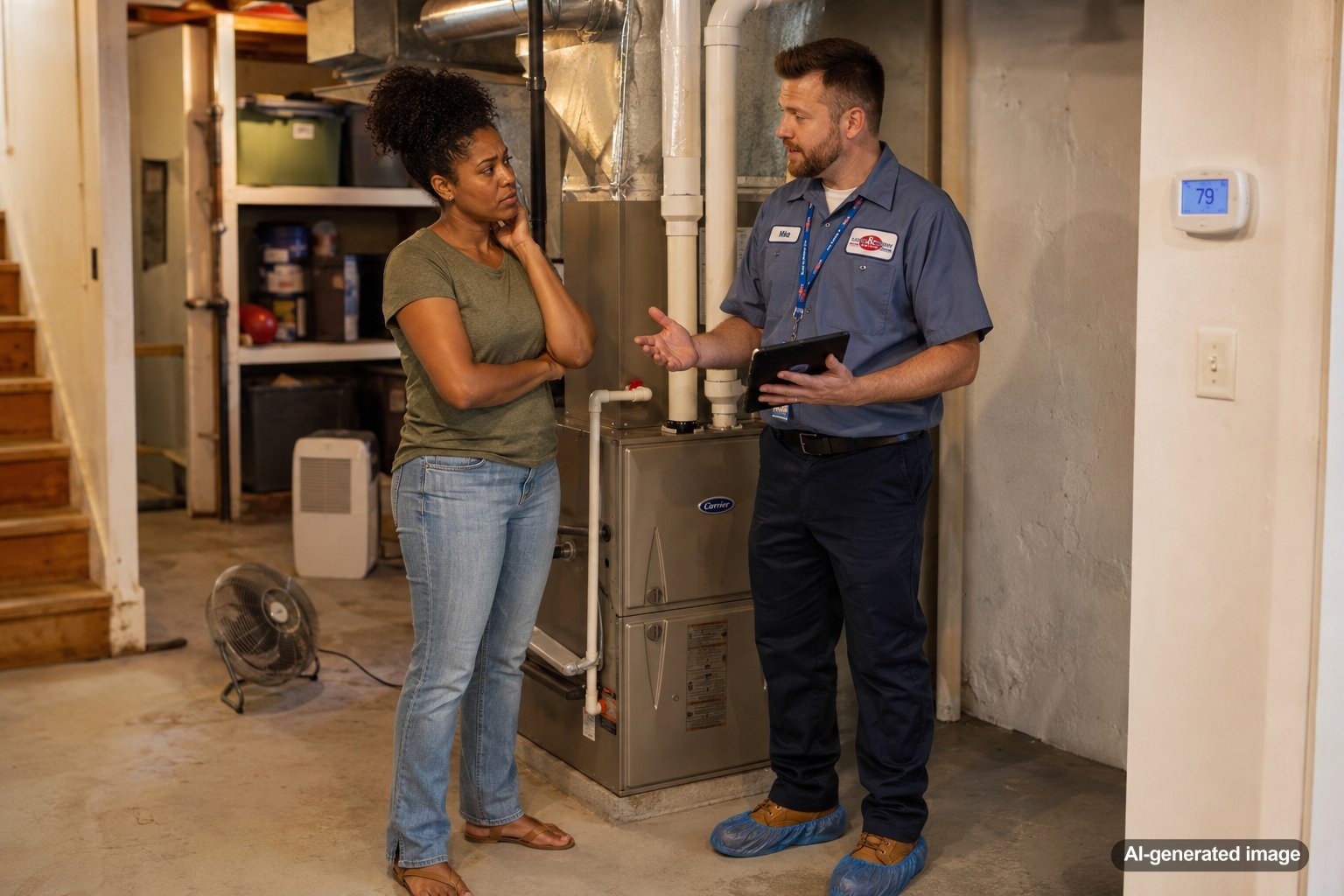
Losing AC during a heat wave is more than a comfort problem because indoor temperatures and humidity can keep climbing long after the system stops cooling. A warm house may become difficult to sleep in, harder for the body to tolerate, and potentially unsafe for older adults, infants, people with certain medical conditions, and anyone who cannot relocate easily. In Central and Northern New Jersey, high humidity can make the indoor environment feel even hotter while reducing the relief people normally get from sweating.
When an air conditioner fails during extreme heat, the priorities are straightforward: protect the people and pets in the building, make a few safe checks, avoid actions that could damage the equipment, and arrange qualified AC service and maintenance if cooling does not return quickly.
A loss of AC during a heat wave can raise the risk of heat-related illness, poor sleep, dehydration, worsening indoor humidity, and damage to temperature-sensitive belongings. Move vulnerable occupants to a cooler location when needed, reduce heat entering the home, hydrate, perform only basic safe checks, and request professional service if the system still is not cooling.
Why a hot house can become a health concern
The human body releases heat partly through the evaporation of sweat. When the air is both hot and humid, that process becomes less effective. A house without working AC can therefore feel increasingly oppressive even when the indoor temperature does not appear dramatically higher at first.
Heat exposure can lead to symptoms such as heavy sweating, headache, weakness, dizziness, nausea, muscle cramps, or unusual fatigue. Confusion, fainting, loss of consciousness, seizures, or very hot skin can indicate a medical emergency. Call 911 for severe symptoms and begin moving the person to a cooler place while following emergency guidance.
Some occupants need a lower threshold for leaving the home or seeking help. Older adults, babies and young children, pregnant people, individuals with heart or lung conditions, people taking medications that affect hydration or temperature regulation, and anyone with limited mobility may be less able to cope with prolonged indoor heat. Pets can also overheat, especially in closed rooms with limited airflow.
The indoor temperature may keep rising after sunset
Many homes absorb heat throughout the day through the roof, attic, exterior walls, and sun-facing windows. Those surfaces can continue releasing stored heat into the living space after outdoor temperatures begin to fall. Upper floors and rooms beneath poorly insulated attics often become hottest first.
This lag matters because homeowners sometimes expect the house to cool naturally as soon as evening arrives. In a humid New Jersey heat wave, outdoor air may remain warm and moisture-heavy well into the night. Opening windows can help only when outdoor conditions are genuinely cooler and safer than the indoor environment.
High humidity adds another layer of discomfort
Central air conditioning normally removes moisture while it cools. When the system stops, indoor humidity can climb from outdoor air infiltration, cooking, showers, laundry, people, and pets. The result can be a sticky environment that feels warmer than the thermostat reading suggests.
Elevated humidity can also create condensation on cool surfaces and contribute to musty odors or moisture problems if the outage continues. Avoid adding unnecessary moisture to the house. Delay long hot showers, extensive cooking, and indoor clothes drying until cooling is restored or conditions improve.
Sleep loss can affect judgment and daily safety
A hot bedroom can make it difficult to fall asleep and stay asleep. After one or more poor nights, fatigue may affect concentration, reaction time, mood, and decision-making. That can be especially relevant for people who drive, operate equipment, care for children, or work outdoors during the same heat wave.
Relocating for the night is not an overreaction when indoor conditions remain hot and humid. Staying with family, using a cooling center, or choosing another air-conditioned location may be the safest practical decision while repairs are pending.
Food, medication, electronics, and the home may be affected
An AC failure does not usually create an immediate building emergency, but prolonged heat can affect more than occupants. Some medications require controlled storage temperatures and should be handled according to the label, pharmacist, or prescribing professional. Heat-sensitive electronics, musical instruments, artwork, candles, cosmetics, and certain household products may also be vulnerable.
Refrigerators and freezers are separate from the AC system, but they may work harder when the surrounding room becomes hot. Keep their doors closed as much as possible. During a simultaneous power outage, follow food safety guidance and do not rely on appearance or smell alone to judge whether food is safe.
What to do first when the AC stops cooling
Start with people, not the equipment. Check on everyone in the home, provide water, move activity to the coolest available area, close blinds or curtains on sun-facing windows, turn off unnecessary lights and heat-producing appliances, and avoid using the oven. Lightweight clothing and cool damp cloths may provide temporary relief.
Fans can improve comfort by moving air across the skin, but they do not lower the room temperature. In dangerously hot indoor conditions, a fan should not be treated as a substitute for air conditioning or relocation. If the home keeps heating up, move to an air-conditioned place rather than waiting for symptoms to appear.
- Confirm the thermostat is set to cooling and the temperature setting is below the current room temperature.
- Replace or inspect the air filter if it is visibly dirty and the filter is safely accessible.
- Make sure supply registers and return grilles are open and not blocked by furniture, rugs, or boxes.
- Look for obvious leaves, grass, or debris restricting airflow around the outdoor unit without opening or disassembling it.
- Check whether the HVAC breaker has tripped once, if it is safe to do so. If it trips again, leave it off and call a qualified professional.
- Note any unusual sounds, odors, ice, water, or error messages so you can describe them when scheduling service.
What not to do during an AC breakdown
Do not open sealed equipment panels, handle high-voltage components, bypass safety switches, add refrigerant, or attempt electrical repairs. Refrigerant, capacitors, wiring, motors, and pressurized components require proper training and tools.
Avoid repeatedly resetting breakers or rapidly switching the thermostat on and off. Repeated attempts may place additional stress on the system and can obscure useful diagnostic clues. If you smell electrical burning, see smoke or sparks, or notice flooding around electrical equipment, turn away from the area, prioritize safety, and contact the appropriate emergency service or qualified professional.
Why heat waves are hard on air conditioning systems
During extreme heat, an AC system may run for long periods because the temperature difference between indoors and outdoors is large and the home keeps gaining heat. A system that normally manages an average summer day may expose an existing weakness when demand stays high for hours or days.
Common contributing issues can include a clogged filter, restricted airflow, a dirty outdoor coil, a failing electrical component, a drainage problem, low refrigerant caused by a leak, duct leakage, or equipment that is aging or improperly sized. A technician must evaluate the system before any specific cause can be confirmed.
It is also important to distinguish between a system that is running continuously and one that is not cooling at all. Long run times can be normal during severe heat, especially if the indoor temperature is stable. Warm air from the vents, rapidly rising indoor temperatures, repeated shutdowns, ice buildup, or no airflow are stronger signs that service may be needed.
When to request professional AC service
Request service when the system will not start after basic thermostat and breaker checks, the air from the vents is not cool, airflow is weak, the equipment repeatedly starts and stops, ice appears on the refrigerant line or indoor coil area, water is leaking, or the breaker trips again. You can request a service appointment rather than continuing to troubleshoot a potentially unsafe or damaging problem.
Tell the service team whether vulnerable occupants are in the home, when cooling stopped, what the thermostat displays, whether the indoor fan or outdoor unit is running, and whether you noticed odors, noises, water, or ice. Clear details can help the technician prepare, although an on-site evaluation is still necessary.
How to prepare before the next heat wave
No maintenance plan can prevent every breakdown, but routine care may reduce the risk of avoidable problems. Replace filters on a schedule appropriate for the home, keep the outdoor unit clear of obvious debris, make sure vents and returns remain unobstructed, and arrange professional maintenance before peak cooling demand when possible.
Consider a household heat plan as well. Identify a nearby air-conditioned location, save important phone numbers, know which family members or neighbors may need help, and review medication storage instructions. A backup plan is particularly useful for older homes, households with medically vulnerable occupants, and anyone who works from home.
Frequently asked questions
How hot is too hot inside a house without AC?
There is no single indoor temperature that is safe for everyone. Risk depends on humidity, duration, age, health, medications, hydration, airflow, and activity level. Pay attention to symptoms and the needs of vulnerable occupants rather than waiting for a specific thermostat number.
Should I turn the AC off if it is running but not cooling?
If the system is blowing warm air, has ice on the line or coil area, makes unusual noises, smells like it is burning, leaks water near electrical components, or repeatedly trips the breaker, turn it off and request professional evaluation. Leaving a malfunctioning system running may worsen some problems.
Can a dirty filter cause the AC to stop cooling?
A severely restricted filter can reduce airflow and may contribute to weak cooling or coil icing. Replace a disposable filter with the correct size and type if it is visibly dirty and safely accessible. If cooling does not return, schedule service because another issue may be present.
Is it better to open windows during an AC outage?
Open windows only when outdoor air is cooler and conditions are safe. During a hot, humid afternoon, opening windows may add heat and moisture. At night, cross-ventilation may help if outdoor temperatures have dropped enough.
How can I keep pets safer when the AC fails?
Provide fresh water, move pets to the coolest available location, limit activity, and never leave them in a parked vehicle. Heavy panting, drooling, weakness, vomiting, confusion, or collapse require prompt veterinary attention.
Losing AC during a heat wave can quickly become a health, humidity, sleep, and safety issue. Protect occupants first, use only basic homeowner checks, relocate when indoor conditions are unsafe, and arrange qualified service when cooling does not return.
Need help with your heating, cooling, or HVAC system?
Meyer & Depew serves homeowners and businesses throughout Central and Northern New Jersey.
Get a quote or call 908.272.2100.