



How to Prepare Your HVAC System Before Leaving for Summer Vacation
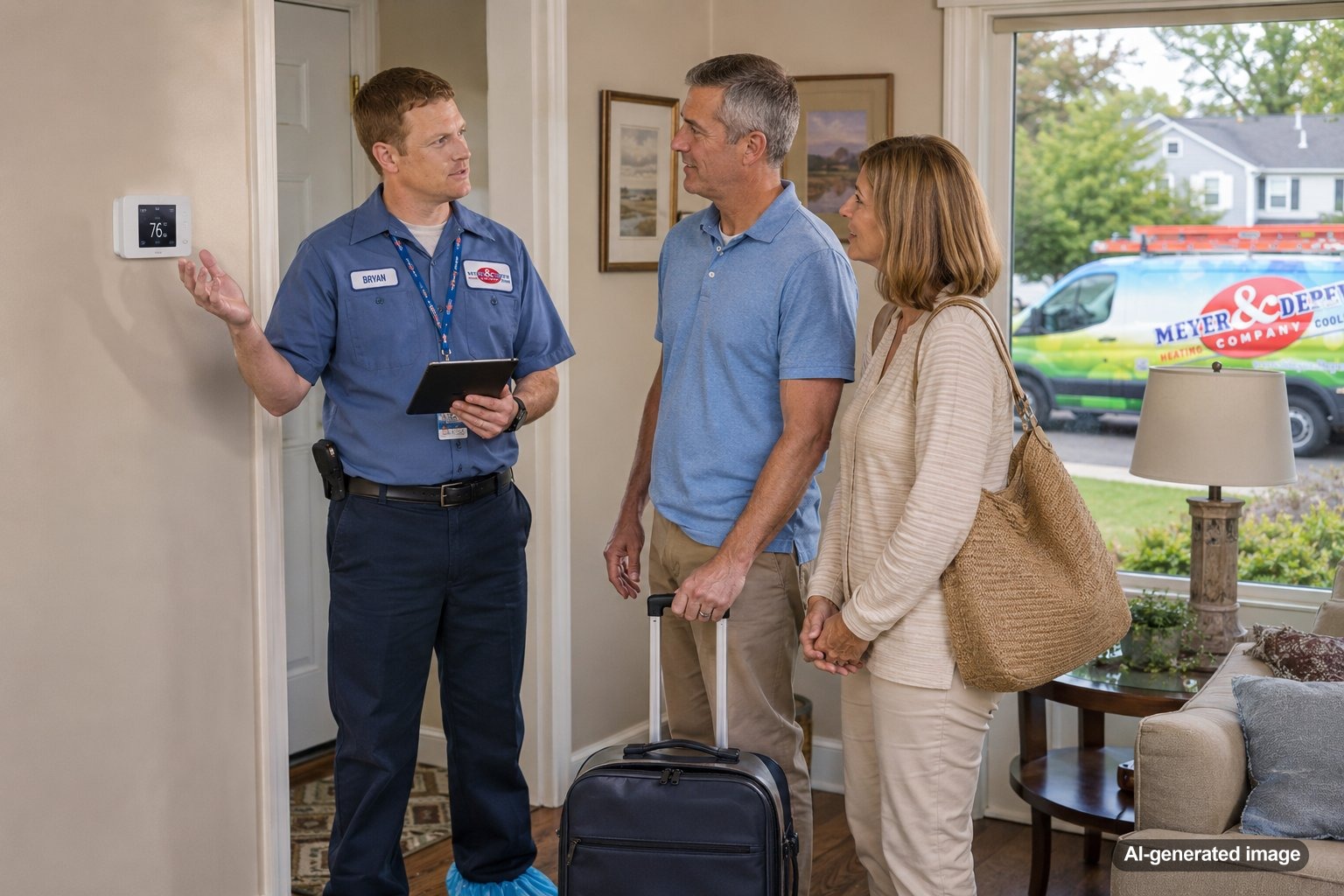
Leaving for summer vacation should not mean wondering whether your AC is running too hard, your home is getting too humid, or a small HVAC issue is waiting for you when you return. Before you leave, your goal is simple: reduce unnecessary system strain while keeping your New Jersey home stable enough to protect comfort, air quality, and basic indoor conditions. A few smart checks can help your HVAC system operate more predictably while you are away.
For many homes in Central and Northern New Jersey, summer vacation overlaps with heat, humidity, thunderstorms, and long stretches of closed-up indoor air. That combination makes preparation more important than just turning the thermostat way up and walking out the door. If your system is due for care, scheduling AC service and maintenance before a trip can also help identify issues that are easier to address while you are still home.
Before leaving for summer vacation, set the thermostat to a reasonable away temperature, replace or inspect the air filter, make sure vents and returns are not blocked, clear obvious debris around the outdoor unit, control indoor humidity, and consider professional maintenance if the system has been noisy, inconsistent, or overdue for service.
Set the thermostat for an empty home, not an overheated one
One common mistake is turning the AC off completely. That may sound efficient, but in humid summer weather it can allow indoor temperatures and moisture levels to climb quickly. High humidity can make the home feel stale, may stress wood finishes and furnishings, and can make the system work harder when you return.
A better approach is to use an away setting that reduces cooling demand without letting the house get excessively hot. The right setting depends on your home, insulation, pets, houseplants, electronics, and humidity concerns. If you have a smart thermostat, confirm the schedule before leaving so the system does not follow your normal occupied routine all week.
Replace or inspect the air filter before you go
A dirty air filter can restrict airflow, which may cause longer run times, weaker cooling, uneven rooms, or system strain. If the filter is already loaded with dust, pet hair, or renovation debris, a week of summer operation can make the problem worse while nobody is home to notice changing airflow.
Check the filter before you leave and replace it if it looks dirty or is near the end of its recommended use period. This is especially important for homes with pets, allergy concerns, older duct systems, or frequent AC use during hot weather.
Keep supply vents and return grilles open and clear
Before vacation, walk through the home and look for blocked vents, closed registers, furniture pushed against return grilles, or rugs covering airflow paths. Your HVAC system is designed to move a certain amount of air. Blocking that airflow can create pressure problems and reduce comfort in rooms that still need basic conditioning while you are away.
It is usually better to keep doors and airflow paths reasonably open instead of trying to shut down large portions of the house. Closing too many vents or interior doors can make the system operate less efficiently and may contribute to uneven temperatures.
Clear the outdoor AC unit without taking it apart
Outdoor units need room to breathe. Before leaving, look for obvious grass clippings, leaves, weeds, branches, or stored items around the condenser. Clearing visible debris from the surrounding area can help airflow, especially before a hot week or a forecast with storms.
Keep this check simple and safe. Do not remove panels, reach into equipment, or attempt electrical or refrigerant work. If the outdoor unit is making unusual noises, struggling to start, or repeatedly tripping a breaker, that is a reason to schedule service rather than hoping it holds up during your trip.
Think about humidity, not just temperature
New Jersey summer comfort is heavily affected by humidity. Even when the thermostat setting looks reasonable, a home that stays closed for several days can feel damp or stale if the AC is not managing moisture well. This is especially noticeable in basements, shaded homes, older houses, and homes near coastal or wooded areas.
If your home already has humidity issues, musty odors, or condensation around vents, leaving for vacation may make those symptoms more noticeable. Meyer & Depew can help evaluate comfort concerns through air quality and comfort options when humidity, ventilation, or stale indoor air is part of the problem.
- Confirm the thermostat is in cooling mode and using the correct vacation or away schedule.
- Inspect or replace the air filter.
- Make sure supply vents and return grilles are open and unobstructed.
- Clear obvious debris around the outdoor unit while staying outside the equipment.
- Check the area around indoor equipment for visible water, unusual sounds, or obvious warning signs.
- If it is safe to do so, check whether the HVAC breaker has tripped once. If it trips again, schedule professional service.
Do not ignore warning signs before a trip
Vacation is not the best time to gamble on a system that has already been acting up. Warm air from vents, short cycling, loud buzzing, weak airflow, frozen lines, water around the indoor unit, burning smells, or repeated breaker trips can point to problems that need qualified evaluation.
Some symptoms are more urgent than others. If you notice smoke, sparks, electrical burning smells, flooding around equipment, or a carbon monoxide concern, prioritize safety and contact the appropriate emergency service, utility, or qualified professional. Do not bypass safety switches, open sealed equipment, add refrigerant, or attempt electrical repairs.
Consider maintenance if your system is overdue
If your AC has not been maintained recently, a pre-vacation visit can be a practical step. A qualified technician can evaluate system operation, check components, look for drainage concerns, and identify issues that may not be obvious during a quick homeowner walkthrough.
Routine care cannot guarantee that a system will never break down, but it can reduce avoidable strain and help catch certain problems earlier. For homeowners who prefer to keep seasonal care on a schedule, Meyer & Depew offers service plans that can make heating and cooling maintenance easier to stay on top of.
Vacation HVAC preparation for longer trips
The longer you are away, the more important it becomes to think beyond the thermostat. For extended travel, consider whether someone should check on the home after storms, heavy rain, or a heat wave. A trusted neighbor, family member, or property manager may be able to notice obvious problems such as a blank thermostat, unusual indoor heat, or water near equipment.
Smart thermostats can also help, but they should not replace basic preparation. Make sure remote access works before you leave, confirm notification settings, and check that the thermostat is connected to Wi-Fi. A thermostat that loses connection right after you leave is not very helpful.
FAQ
Should I turn my AC off while on summer vacation?
In most homes, turning the AC off completely is not ideal during humid summer weather. A reasonable away setting can reduce run time while still helping manage indoor temperature and moisture.
What thermostat setting should I use while away?
There is no single perfect setting for every home. Consider humidity, pets, plants, home construction, electronics, and how long you will be gone. The goal is to reduce unnecessary cooling without letting the home become excessively hot or damp.
Should I close vents in unused rooms before vacation?
Closing a few vents may seem harmless, but closing too many can interfere with airflow and system balance. It is generally safer to keep vents and returns open and unobstructed unless a qualified technician has advised otherwise.
What if my AC has been making noise before I leave?
Unusual noises should not be ignored before a trip. Buzzing, grinding, rattling, or repeated start-stop cycles can indicate a problem that should be evaluated by a qualified HVAC technician.
Is a service plan helpful for vacation preparation?
A service plan can help keep routine HVAC maintenance on schedule, which is useful before heavy summer use and before travel. It does not prevent every breakdown, but it can make proactive care easier to manage.
Want to make HVAC maintenance easier to stay on top of?
A service plan can help keep routine heating and cooling maintenance on your calendar before small issues become bigger headaches.
You can also request a service appointment.