

Should You Replace an Aging Furnace Before It Fails or Wait for Winter?
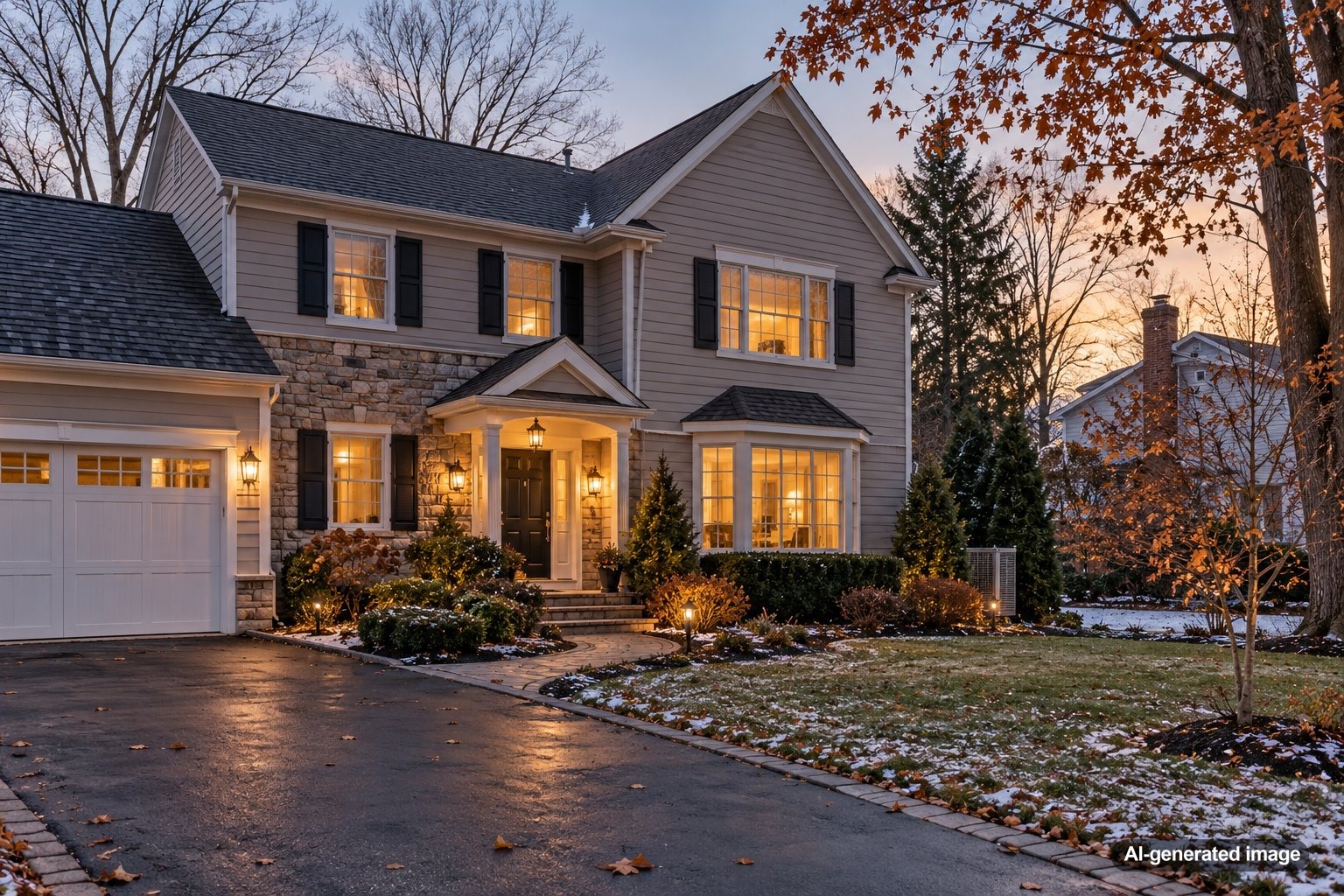
An aging furnace can put New Jersey homeowners in an uncomfortable position. It may still start every morning, keep the bedrooms warm, and seem perfectly capable of handling another heating season. But if the equipment is getting older, needing repairs, or becoming less dependable, waiting until it stops working in the middle of winter could turn a manageable home improvement decision into an urgent one. So should you replace an aging furnace before it fails or wait for winter?
For many homeowners, the smarter approach is to evaluate an older furnace before cold weather arrives, then decide whether replacement or another season of operation makes more sense. That does not mean every older furnace should be replaced immediately. A well-maintained system with a favorable inspection may have useful life remaining. The important distinction is between making a planned decision with reliable information and gambling on equipment that is already showing signs of trouble. Understanding your heating installation and replacement options before an emergency can give you more control over the process.
Consider replacing an aging furnace before winter if it has recurring problems, significant repair needs, declining reliability, or safety concerns identified by a qualified technician. Waiting may be reasonable when the furnace operates properly, has been professionally inspected, and does not show meaningful signs of deterioration. Furnace age matters, but condition, repair history, safety, and household needs should drive the decision.
Why Replacing a Furnace Before It Fails Can Be the Better Decision
There is a meaningful difference between choosing a heating system in October and choosing one when the house has no heat during a January cold snap. In the first situation, you can review equipment choices, discuss installation requirements, and schedule the work around your household. In the second, restoring heat becomes the immediate priority.
Planning a replacement before winter may give you more time to evaluate furnace efficiency, heating capacity, comfort features, and whether your existing ductwork and controls are suitable for the new equipment. It also allows the contractor to identify installation considerations before work begins.
Emergency replacement does not automatically mean a poor installation or limited equipment choices. However, scheduling constraints, cold weather, and the urgency of restoring heat can make the experience more stressful.
When an Aging Furnace Is Still Worth Keeping
A furnace does not become unreliable simply because it reaches a particular birthday. Many homeowners hear that gas furnaces commonly last around 15 to 20 years, but that range is a general planning reference rather than an expiration date. Actual service life varies with equipment design, installation quality, maintenance, operating conditions, and usage.
An older furnace may be reasonable to keep for another heating season when:
- It starts consistently and maintains the requested indoor temperature.
- It has no unresolved safety concerns following a professional inspection.
- Its repair history is limited and the major components are functioning properly.
- Airflow and heating performance remain satisfactory.
- Any recommended repairs are modest relative to the equipment’s condition and expected remaining usefulness.
For example, a 14-year-old furnace that receives regular maintenance, heats the home evenly, and passes a professional inspection may not need immediate replacement. Replacing it solely because it is older could be premature.
Homeowners choosing to keep an older furnace should consider scheduling professional heating service and maintenance before the busiest part of the heating season. An inspection cannot guarantee that a breakdown will not occur, but it can identify concerns that deserve attention.
Signs That Replacing the Furnace Before Winter Deserves Serious Consideration
Recurring Repairs Are Becoming Normal
One isolated repair is not necessarily a reason to replace an entire furnace. Repeated problems are different. If a homeowner has needed multiple service visits for ignition issues, intermittent shutdowns, blower problems, or inconsistent heating, the pattern deserves attention.
Several smaller repairs can become a significant ongoing expense. More importantly, recurring failures can suggest that the furnace is becoming less dependable, even if individual problems remain repairable.
A Major Component Needs Replacement
When an older furnace needs an expensive component, the decision becomes more complicated. Replacing a major blower assembly or addressing a serious control-system problem may be technically possible, but the repair should be weighed against the furnace’s overall age and condition.
A qualified technician can explain what failed, whether the repair is practical, whether other components show deterioration, and how the repair compares with replacement. A confirmed unsafe heat exchanger condition requires particular attention because combustion safety cannot be treated as an ordinary comfort issue.
Heating Performance Has Become Inconsistent
Some aging furnaces begin showing trouble through comfort changes rather than complete failures. The house may take longer to warm up, certain rooms may feel colder, or the furnace may cycle in a way that differs from its previous operation.
These symptoms do not automatically mean the furnace needs replacement. Dirty filters, airflow restrictions, thermostat problems, duct issues, and other correctable conditions can produce similar complaints. Professional evaluation helps distinguish a manageable service issue from more substantial equipment deterioration.
The Furnace Is Older and Its History Is Uncertain
Consider a homeowner who purchased a house with an 18-year-old furnace and has no maintenance records. The equipment may still work, but its condition is uncertain. A professional inspection is especially valuable in this situation.
The same applies when a furnace has a history of missed maintenance, previous water exposure, unusual operating noises, or repairs that were repeatedly postponed.
Repair Now or Replace Before Winter? Compare the Actual Tradeoffs
There is no universal repair-cost percentage or furnace-age rule that produces the right answer for every house. The decision should reflect the equipment’s condition and what the homeowner would gain from replacement.
| Decision factor | Keeping and repairing the furnace | Replacing before winter |
|---|---|---|
| Current condition | More appealing when the equipment is safe and generally reliable. | More appealing when major components are deteriorating or reliability is declining. |
| Repair history | May make sense after an isolated, manageable repair. | May reduce dependence on equipment with recurring problems. |
| Immediate expense | Usually involves a smaller immediate commitment when the repair is limited. | Requires a larger investment but provides new equipment. |
| Scheduling | Allows continued use if the existing system remains dependable. | Allows more opportunity to plan the installation before peak heating demand. |
| Efficiency and comfort | Preserves current system performance, assuming the underlying issues are addressed. | Provides an opportunity to improve efficiency and evaluate comfort concerns. |
One important question is whether a repair will restore a fundamentally sound furnace or merely keep a deteriorating system operating temporarily. A repair that is sensible on a relatively young, otherwise healthy furnace may be harder to justify on an older system with several emerging problems.
Why Waiting Until the Coldest Weather Adds Uncertainty
Central and Northern New Jersey can experience prolonged freezing temperatures and sudden cold snaps. A furnace that struggles during mild fall weather may face more sustained operation when outdoor temperatures drop.
Cold weather does not guarantee that an old furnace will break. However, heavier heating demand can expose existing weaknesses. An intermittent ignition problem that seems minor in October may become much more disruptive when the system must operate regularly to maintain a comfortable indoor temperature.
There are also practical household considerations. Families with young children, older adults, or anyone who is particularly sensitive to cold may place a higher value on avoiding an unexpected loss of heat. Homeowners who travel frequently during winter may be especially concerned about a furnace failure while the house is unattended.
For these households, the value of planned replacement is not limited to potential equipment efficiency. Reliability and avoiding a rushed decision may be important factors.
Do Not Replace an Old Furnace Without Checking the Rest of the Heating System
A new furnace should be selected for the home’s actual heating requirements rather than simply matching the capacity of the existing unit. Older equipment may have been oversized, undersized, or installed before improvements were made to insulation, windows, or other parts of the house.
Professional replacement planning should consider the home’s heating load, ductwork, airflow, venting, equipment compatibility, and applicable installation requirements.
This is especially important in older New Jersey homes, where renovations and additions may have changed the way heat moves throughout the building. Installing a new furnace without examining these conditions could leave existing comfort problems unresolved.
For example, if an upstairs bedroom is cold because its ductwork delivers insufficient airflow, replacing the furnace alone may not correct that room’s temperature difference. An effective replacement consultation should separate furnace problems from distribution problems.
What About Energy Efficiency? Could a New Furnace Lower Heating Costs?
Modern furnaces are available with different efficiency ratings and operating features. An older, lower-efficiency furnace may use more fuel to deliver the same useful heat than a properly installed higher-efficiency model.
Furnace efficiency is commonly expressed through Annual Fuel Utilization Efficiency, or AFUE. The rating estimates how efficiently a furnace converts fuel into usable heat under standardized conditions. It is an important comparison tool, but it does not predict an individual homeowner’s exact energy bill.
Actual heating costs depend on fuel prices, outdoor temperatures, thermostat settings, building insulation, duct losses, equipment sizing, and household habits.
Replacing a functioning furnace solely to reduce utility bills may not always be financially compelling. A professional can help compare efficiency options with the existing furnace’s condition and expected remaining service life.
What Homeowners Can Safely Check Before Making the Decision
Homeowners can gather useful information without opening furnace cabinets, touching combustion components, or attempting electrical repairs.
- Check the thermostat settings and confirm the system responds to a normal heating request.
- Inspect or replace the accessible air filter according to the equipment manufacturer’s instructions.
- Make sure supply registers and return-air openings are not blocked by furniture or household items.
- Review your records for previous repairs, annual maintenance, and recurring service issues.
- Notice whether the furnace starts reliably and whether rooms reach their expected temperatures.
- Record any unusual noises, odors, or intermittent problems to describe during a service appointment.
Do not remove sealed panels, adjust gas components, bypass safety controls, or attempt combustion-system repairs. If you smell gas, leave the area and contact the gas utility or emergency services from a safe location. If a carbon monoxide alarm sounds, evacuate and contact emergency services. Smoke, sparks, and burning electrical odors also require immediate attention rather than continued operation.
When Should You Schedule a Professional Furnace Evaluation?
The most useful time to assess an aging furnace is before your household depends on it every day. Early fall is often a practical opportunity, but an inspection is worthwhile whenever a furnace begins showing unusual behavior.
A qualified technician can inspect operating conditions, evaluate relevant safety concerns, review heating performance, and explain whether repairs or replacement should be considered. The technician may also identify maintenance needs unrelated to the equipment’s age.
Ask for clear explanations rather than a recommendation based on age alone. Useful questions include what condition the major components are in, whether any problems present safety concerns, which repairs are necessary, and what additional reliability concerns may remain afterward.
If replacement is recommended, ask about heating-load calculations, equipment sizing, venting requirements, installation scope, and how the proposed system addresses the home’s existing comfort needs.
Frequently Asked Questions About Replacing an Aging Furnace
Should I replace a 15-year-old furnace before winter?
Not necessarily. A 15-year-old furnace may have useful service life remaining if it is operating safely and reliably. Its maintenance history, repair needs, and professional inspection findings matter more than age alone. However, this is a reasonable stage to begin planning for eventual replacement.
Is it better to replace a furnace in fall or winter?
Fall can be more convenient because you may have time to compare equipment and arrange installation before sustained cold weather. Winter replacement is still possible, but a failure during freezing conditions can make the decision more urgent.
Can an old furnace fail without giving any warning?
Yes. Some failures occur unexpectedly, even when the furnace appeared to operate normally. Routine professional maintenance may reveal developing problems, but it cannot identify every potential failure or guarantee uninterrupted operation.
Should I repair my furnace if I plan to replace it next year?
It depends on the repair, the furnace’s condition, and any safety concerns. A modest repair on an otherwise reliable system may be reasonable. An expensive repair on equipment with multiple deteriorating components deserves a closer comparison with replacement. Never continue using equipment that has been identified as unsafe.
Will a new furnace automatically fix cold rooms?
No. Cold rooms may be caused by ductwork limitations, insulation problems, airflow restrictions, thermostat placement, or heating-system sizing. A replacement consultation should investigate the actual cause before assuming new equipment will solve the problem.
The Best Time to Decide Is Before You Lose Heat
The strongest reason to evaluate an aging furnace before winter is not that every old furnace is destined to fail. It is that a planned decision gives you more opportunity to understand the equipment’s condition, consider repair and replacement options, and prepare for the heating season.
If your furnace is older but dependable, a professional inspection may support continuing to use it while planning for eventual replacement. If it has recurring failures, major repair needs, or unresolved safety concerns, waiting for a complete breakdown may introduce unnecessary complications.
For homeowners throughout Central and Northern New Jersey, the practical goal is to make the decision based on equipment condition, household comfort, safety, and long-term value rather than waiting until the thermostat is calling for heat and nothing happens.
Thinking about replacing or upgrading your HVAC system?
Meyer & Depew can help you understand your options for comfort, efficiency, and long-term reliability in your New Jersey home or business.
Questions? Contact Meyer & Depew or call 908.272.2100.