



Should You Replace Your HVAC System Before It Fails?
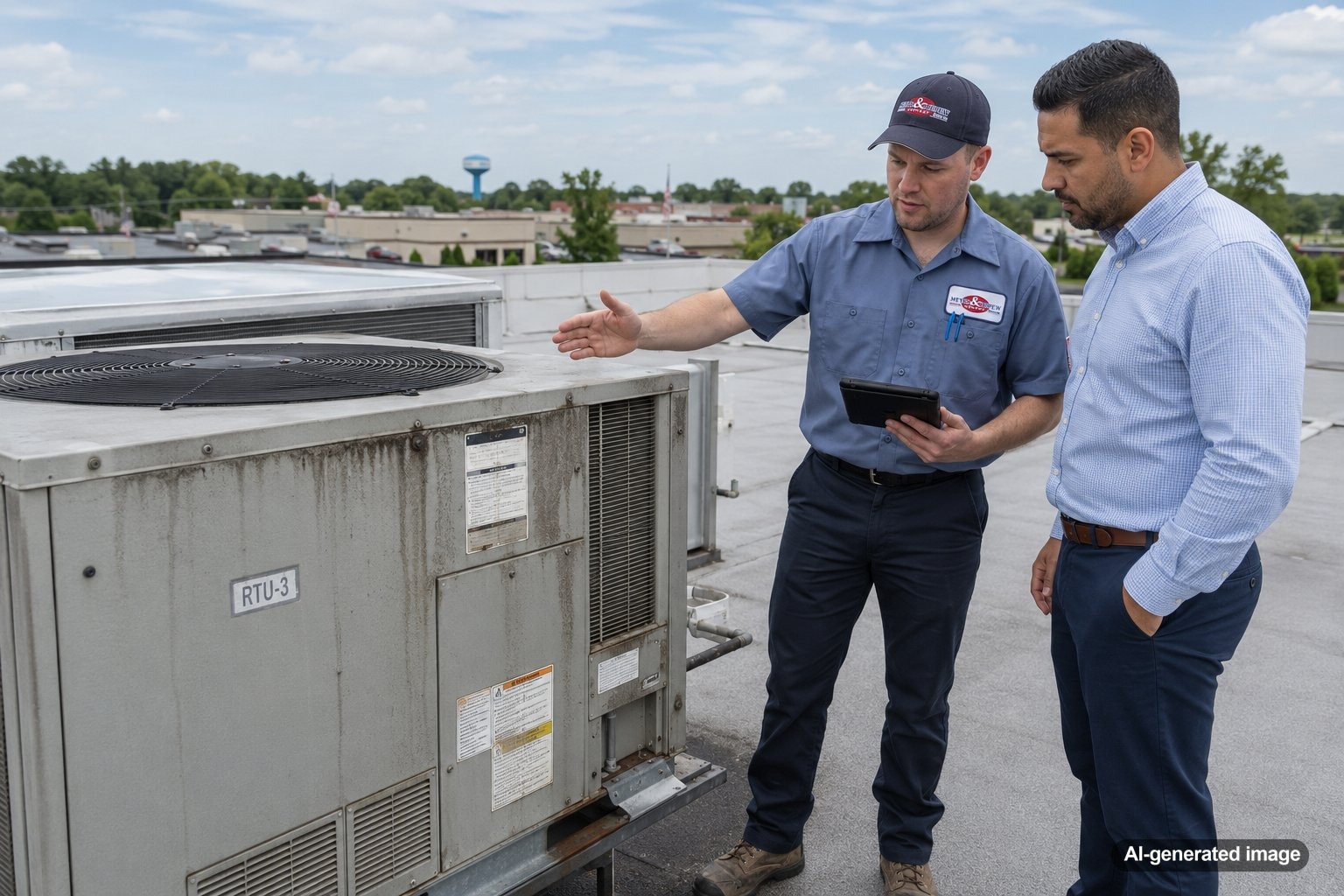
Yes, in some cases it makes sense to replace your HVAC system before it completely fails. That does not mean every older furnace, boiler, heat pump, or AC system needs to be replaced immediately. It means that waiting for a total breakdown can sometimes leave you with fewer choices, more stress, and less control over timing.
For homeowners and business owners in Central and Northern New Jersey, HVAC replacement is often a practical decision, not just an emergency response. If your system is aging, needs frequent repairs, struggles during hot or cold weather, or no longer keeps the property comfortable, it may be time to compare the cost of another repair against the value of a planned upgrade. Meyer & Depew can help evaluate both service and replacement options through AC installation and replacement and broader heating and cooling support.
You should consider replacing your HVAC system before it fails if it is older, unreliable, expensive to repair, inefficient, or no longer meeting your comfort needs. A planned replacement can give you more time to choose the right system, schedule installation at a better time, and avoid making a rushed decision during a heat wave, cold snap, or business interruption.
Why waiting for total failure can be risky
Many people wait until their HVAC system stops working entirely before thinking seriously about replacement. That approach is understandable. Nobody wants to replace equipment too early. The problem is that HVAC failures rarely happen at convenient times. Cooling systems are most likely to show their limits during long, humid New Jersey summer stretches, while heating equipment is often pushed hardest during winter cold snaps.
When a system fails at the worst possible time, the decision becomes urgent. You may have less time to compare options, think through efficiency levels, address comfort problems, or schedule around work, family, tenants, customers, or employees. For a business, an unexpected HVAC failure can affect occupancy, customer comfort, equipment rooms, or daily operations. For a home, it can mean uncomfortable rooms, disrupted sleep, or a scramble to protect vulnerable family members.
Signs replacement may be smarter than another repair
An older HVAC system does not automatically need to be replaced. A well-maintained system may still have useful life left. Still, certain patterns can make replacement worth discussing with a qualified technician.
- Repairs are becoming more frequent. One repair may be normal. Repeated service calls can indicate that major components are wearing down.
- Repair costs are climbing. If a repair is expensive and the system is already near the later part of its service life, putting more money into old equipment may not be the best long-term choice.
- Comfort is inconsistent. Uneven temperatures, weak airflow, short cycling, or rooms that never feel right can point to more than a simple thermostat issue.
- Energy use seems harder to control. Older systems may run longer to deliver the same comfort, especially during humid summers or cold winter weather.
- The system is noisy or unreliable. New sounds, delayed starts, frequent cycling, or repeated shutdowns should be evaluated before a breakdown occurs.
Some comfort issues may be related to ductwork, airflow, zoning, insulation, thermostat placement, or maintenance needs rather than the main equipment itself. That is why a professional evaluation matters before assuming replacement is the only answer.
Repair vs replacement is not only about age
Age is important, but it should not be the only factor. A lightly used system in a well-insulated home may age differently than equipment serving a busy commercial space, an older home with leaky ducts, or a property with heavy seasonal demand. Maintenance history also matters. Equipment that has received regular service may be in better condition than a system that has gone years without inspections.
The right question is not simply, “How old is the system?” A better question is, “How well is the system performing, what repairs are likely ahead, and what would replacement improve?” A planned replacement may make sense when the current system is both aging and falling short on reliability, comfort, efficiency, or capacity.
When keeping the current system may still make sense
Replacement is not always the right move. If the system is relatively young, the repair is minor, comfort is generally good, and the equipment has been maintained, service may be the more practical option. Safe homeowner checks can also help rule out simple causes before assuming the worst.
- Check that the thermostat is set correctly and has power.
- Inspect or replace the air filter if it is dirty or clogged.
- Make sure supply and return vents are open and not blocked.
- Look for obvious leaves, snow, or debris around the outdoor unit.
- Check whether the breaker has tripped once, if it is safe to do so.
If the issue continues after basic checks, schedule professional service. Homeowners should not open sealed equipment, handle refrigerant, adjust gas components, bypass safety controls, or work on high-voltage electrical parts.
Why planned HVAC replacement gives you better choices
One of the biggest advantages of replacing before failure is control. You can plan the timing, compare system options, discuss comfort goals, and think through related improvements. For example, a replacement conversation may reveal that zoning, a ductless mini split, better thermostat control, or indoor air quality upgrades could solve problems the old system never handled well.
A planned project also allows time to consider the full property. Does the second floor run warm in summer? Does a finished basement stay too cool? Has an addition changed the load on the original system? Are humidity and airflow part of the comfort problem? These are the kinds of details that can be missed when equipment fails suddenly and the only goal is getting heat or cooling restored as quickly as possible.
If your current system still works but is clearly declining, it is worth exploring replacement before the next extreme weather period. You can also compare replacement against maintenance and repair options through residential service plans if the system still has enough useful life to justify continued care.
Commercial properties have another layer of risk
For commercial buildings, the replacement decision can be even more time-sensitive. A failing rooftop unit, aging split system, or unreliable heating system can affect employees, tenants, customers, inventory, server rooms, patient areas, classrooms, or nonprofit operations. Occupancy patterns also matter. Equipment serving a restaurant, office, retail space, house of worship, or medical office may face very different demands.
Planned replacement allows facility managers and business owners to coordinate access, budgeting, scheduling, and communication. It may also reduce the chance of emergency downtime during peak operating hours. For commercial properties, replacement planning is often less about convenience and more about continuity.
How to make a practical decision
A good HVAC replacement decision should weigh comfort, cost, safety, reliability, maintenance history, energy use, and timing. If you are unsure, start with a professional assessment. Ask what condition the equipment is in, whether repairs are minor or major, what problems may be developing, and whether the system is still appropriately sized for the property.
You do not need to wait for a complete failure to gather information. In many cases, the most useful step is simply understanding where the system stands. Then you can decide whether to repair, maintain, monitor, or replace based on practical facts instead of pressure.
FAQ: Replacing an HVAC system before it fails
Is it wasteful to replace an HVAC system that still runs?
Not always. If the system is reliable, efficient, and comfortable, replacement may be premature. If it still runs but needs costly repairs, struggles during peak weather, or no longer keeps the property comfortable, replacement may be a reasonable long-term decision.
Should I replace my AC and heating system at the same time?
It depends on the equipment, compatibility, age, and overall comfort goals. In some homes, replacing both together may make sense. In others, one side of the system may still have useful life. A qualified technician can explain the practical options.
Can maintenance delay replacement?
Routine maintenance may help reduce wear, improve performance, and catch small issues earlier, but it cannot prevent every breakdown or make aging equipment last forever. Maintenance is still valuable when the system is in good enough condition to benefit from it.
What if my system fails during extreme weather?
Focus on safety and comfort first. If there is a gas smell, carbon monoxide concern, smoke, sparks, flooding, or electrical burning smell, prioritize safety and contact the proper emergency service, utility, or qualified professional. For normal breakdowns, request service and ask whether repair or replacement is the better path.
Replacing your HVAC system before it fails can be a smart move when the system is aging, unreliable, expensive to repair, or no longer providing dependable comfort. The best decision comes from evaluating the equipment before an emergency forces your hand.
Thinking about replacing or upgrading your HVAC system?
Meyer & Depew can help you understand your options for comfort, efficiency, and long-term reliability in your New Jersey home or business.
Questions? Contact Meyer & Depew or call 908.272.2100.