

Why Replacing an AC Can Improve More Than Temperature
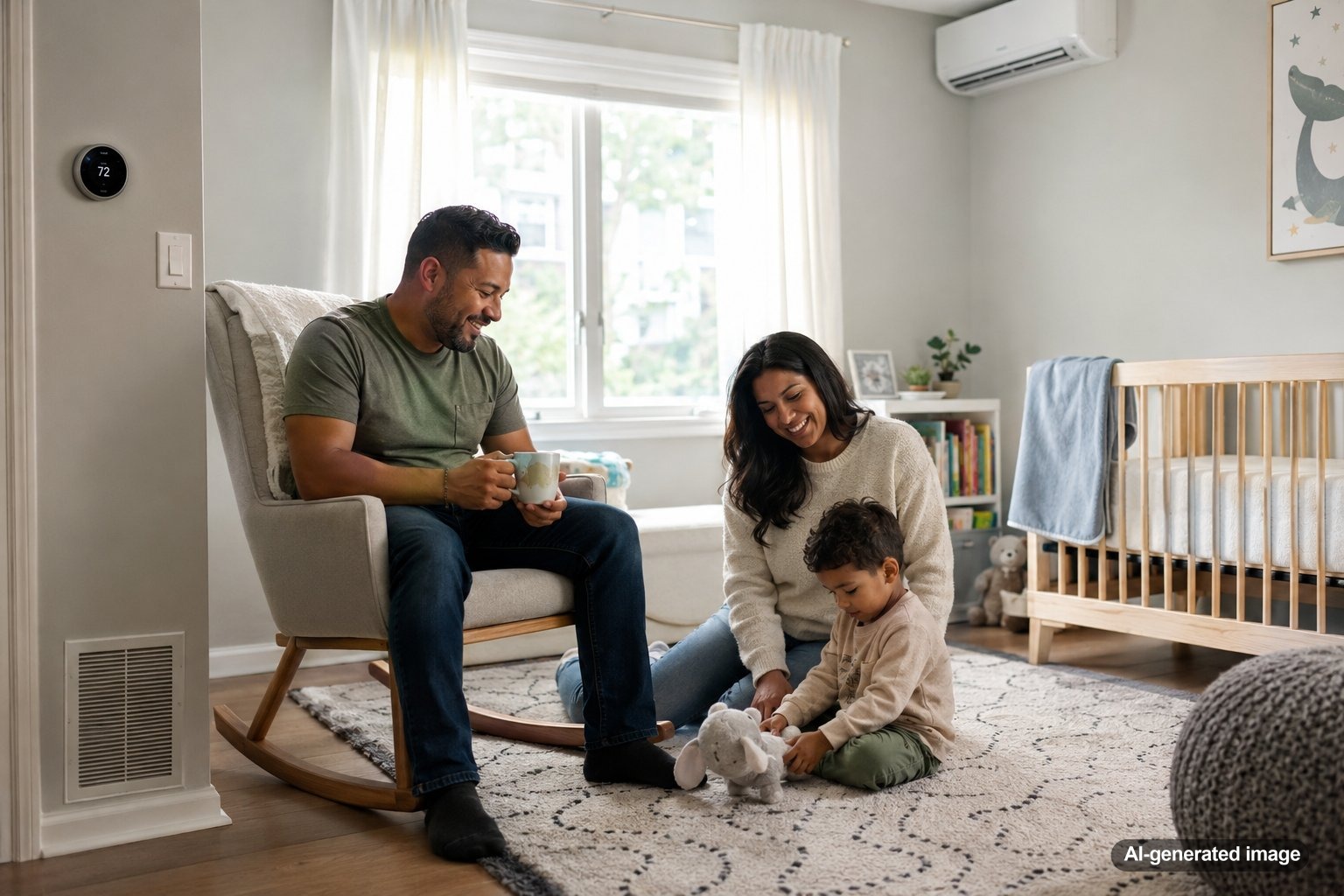
Replacing an aging air conditioner can do much more than lower the number on your thermostat. A properly selected and installed system may improve humidity control, airflow, noise levels, energy use, reliability, and how evenly your entire home feels. For homeowners in Central and Northern New Jersey, those differences can become especially noticeable during long stretches of hot, humid weather.
If your current system runs constantly, leaves certain rooms uncomfortable, or struggles to control indoor moisture, replacement may address several connected comfort problems at once. The key is choosing equipment based on the home itself rather than simply installing a newer version of the old unit. Meyer & Depew’s AC installation and replacement services begin with evaluating the factors that influence real-world performance.
A new AC can provide benefits beyond cooler air, including:
- Better indoor humidity control
- More consistent temperatures from room to room
- Quieter operation indoors and outdoors
- Improved airflow and filtration performance
- Fewer disruptions caused by recurring breakdowns
- More efficient operation when the system is properly sized and installed
Better Humidity Control Can Make the Home Feel More Comfortable
Temperature and humidity work together. A room at 74 degrees can still feel sticky and uncomfortable when the air contains too much moisture. During a typical New Jersey summer, an air conditioner must remove both heat and humidity to create a comfortable indoor environment.
An older system may have trouble managing moisture because of worn components, reduced performance, improper sizing, or short cycling. Short cycling occurs when the system starts and stops too quickly. The AC may lower the temperature near the thermostat without running long enough to remove an appropriate amount of moisture from the air.
A replacement system that is correctly sized for the home’s current cooling load may operate in longer, steadier cycles. Depending on the equipment and installation, this can support better moisture removal and a less clammy indoor environment. Variable-speed and multi-stage systems may also adjust output more gradually instead of operating at full capacity every time they turn on.
Room-to-Room Temperatures May Become More Consistent
Many homeowners begin thinking about replacement because one area of the house feels comfortable while another remains warm. An aging AC may contribute to uneven cooling when it can no longer move or condition air effectively. However, the equipment is only one part of the comfort system.
Uneven temperatures can also involve duct design, air leaks, insulation, blocked returns, sun exposure, additions, finished attics, or changes made to the home over time. Replacing the outdoor unit and indoor coil without considering these conditions may leave the original comfort problem in place.
A thoughtful replacement evaluation should consider how air moves through the home, whether supply and return vents are appropriately located, and whether the existing duct system can support the new equipment. Some homes may benefit from options such as zoning systems or ductless equipment for spaces that have different comfort needs.
A New System Can Be Noticeably Quieter
Air conditioners often become louder as they age. Homeowners may notice rattling at startup, vibration near the outdoor unit, a harsh compressor sound, or increased airflow noise inside the home. Some noises are repairable, but recurring or worsening sound can become part of the replacement decision when the system is already near the end of its practical service life.
Modern equipment may include sound-dampening features, improved fan designs, insulated cabinets, and variable-speed operation. A system that does not need to start at full output every cycle may sound less abrupt. Proper placement, secure mounting, correct refrigerant line installation, and appropriate duct transitions also influence how quiet the finished system will be.
Quiet operation is easy to overlook when comparing equipment specifications, but it can make a meaningful difference in bedrooms, home offices, patios, and living spaces near the mechanical equipment.
Airflow and Filtration May Improve
Replacing an AC can create an opportunity to look at the entire airflow path, including the blower, filter, return ducts, supply ducts, registers, and indoor coil. If airflow has been restricted by an undersized return, a poorly selected filter, duct leakage, or an aging blower motor, simply lowering the thermostat will not solve the underlying issue.
A new system may provide more controlled airflow, particularly when paired with a variable-speed indoor blower. This can help reduce sudden blasts of air and support steadier circulation. It may also improve how effectively air passes through a compatible filtration system.
Filtration improvements should be planned carefully. A filter that is too restrictive for the system can reduce airflow and create performance problems. Homeowners concerned about dust, allergens, smoke, odors, or stale air may also want to review broader air quality and comfort options rather than expecting the AC alone to resolve every indoor air concern.
Efficiency Improvements Can Affect More Than the Utility Bill
Energy efficiency is often discussed in terms of potential operating cost, but it can also influence comfort. An aging system that has lost capacity may run for long periods without maintaining the desired temperature. It may also draw more power while delivering less useful cooling.
A properly sized replacement system can reduce unnecessary strain and provide cooling that better matches the home’s needs. Variable-capacity equipment may use lower output during moderate weather and increase capacity when outdoor conditions become more demanding.
No contractor can guarantee a specific level of savings without evaluating the home, usage patterns, utility rates, insulation, ductwork, and existing equipment. Still, replacement offers an opportunity to improve how efficiently the entire cooling system operates rather than continuing to invest in equipment with declining performance.
Reliability Can Improve Daily Life
Repeated AC problems affect more than indoor temperature. They can disrupt sleep, remote work, family schedules, pet comfort, and plans to host guests. Homeowners may also become reluctant to adjust the thermostat because they are unsure whether the system will restart properly.
A new system does not eliminate the need for maintenance, and no equipment is immune to future repairs. It can, however, reduce dependence on an aging unit with worn components, obsolete parts, or a pattern of recurring service calls. For many homeowners, the value of replacement includes greater confidence that the cooling system can handle normal summer demand.
Replacement Is a Chance to Correct Old Sizing Problems
One of the most important parts of AC replacement is determining the correct capacity. Bigger is not automatically better. An oversized system may cool the area around the thermostat quickly, shut off too soon, and provide poor humidity control. An undersized system may run almost continuously and still struggle during hot weather.
The original equipment size should not be copied automatically. Since the previous installation, the home may have received new windows, insulation, an addition, air sealing, a finished basement, or other changes that affect the cooling load. A professional evaluation can account for these details before new equipment is selected.
Correct sizing also helps the contractor determine whether the ductwork, electrical service, condensate drainage, and other supporting components are appropriate for the proposed system.
What Homeowners Can Check Before Deciding
- Confirm that the thermostat is set to cooling and operating normally.
- Inspect the air filter and replace it if it is dirty and you can do so safely.
- Make sure supply and return vents are open and not blocked by furniture or rugs.
- Look for obvious leaves, grass, or debris around the outdoor unit.
- Note which rooms feel uncomfortable and when the problem is most noticeable.
- Gather recent repair records and approximate equipment age.
These observations can help a qualified technician understand whether the concern is related to routine maintenance, a repairable problem, airflow conditions, or an aging system that should be evaluated for replacement. Homeowners should not open sealed equipment, handle refrigerant components, or attempt electrical repairs.
When AC Replacement Deserves Serious Consideration
Replacement may be worth discussing when several concerns appear together rather than focusing on one symptom alone. Common examples include frequent repairs, rising energy use without a clear change in household habits, poor humidity control, uneven temperatures, excessive noise, long run times, and difficulty obtaining replacement parts.
The decision should consider repair cost, system condition, comfort performance, refrigerant type, equipment age, and how long you plan to remain in the home. A relatively minor repair may still make sense for a system that has otherwise been dependable. A major repair may be harder to justify when the equipment has multiple ongoing problems.
A qualified HVAC professional can explain the condition of the current system, identify related airflow or duct issues, and outline replacement options without assuming that every older air conditioner must be replaced immediately.
Frequently Asked Questions About Replacing an AC
Will a new AC automatically fix uneven temperatures?
Not always. A new system may improve performance, but uneven rooms can also result from ductwork, insulation, air leakage, limited return airflow, sun exposure, or home additions. These factors should be evaluated before installation.
Can AC replacement improve indoor humidity?
It may. Correct equipment sizing, appropriate run times, proper airflow, and variable-speed operation can support better moisture removal. Severe humidity problems may require additional evaluation or dedicated humidity-control equipment.
Does a higher-efficiency AC always provide better comfort?
Efficiency ratings are important, but installation quality, sizing, duct conditions, controls, and equipment features also affect comfort. The highest rating does not compensate for poor design or installation.
Should ductwork be inspected during AC replacement?
Yes. The duct system must deliver and return enough air for the new equipment. Leaks, restrictions, poor transitions, or inadequate returns can limit performance even when the AC itself is new.
How do I know whether to repair or replace my AC?
Consider the system’s age, repair history, current condition, comfort problems, energy use, and the cost and scope of the proposed repair. A professional assessment can help you compare the practical advantages and limitations of both choices.
Replacing an AC is not only about achieving a lower indoor temperature. A well-planned replacement may improve humidity control, airflow, noise, consistency, efficiency, and confidence in the system. The strongest results come from evaluating the home as a complete comfort system rather than treating the outdoor unit as an isolated appliance.
Thinking about replacing or upgrading your HVAC system?
Meyer & Depew can help you understand your options for comfort, efficiency, and long-term reliability in your New Jersey home or business.
Questions? Contact Meyer & Depew or call 908.272.2100.