

What To Know Before Replacing AC In An Older New Jersey Home
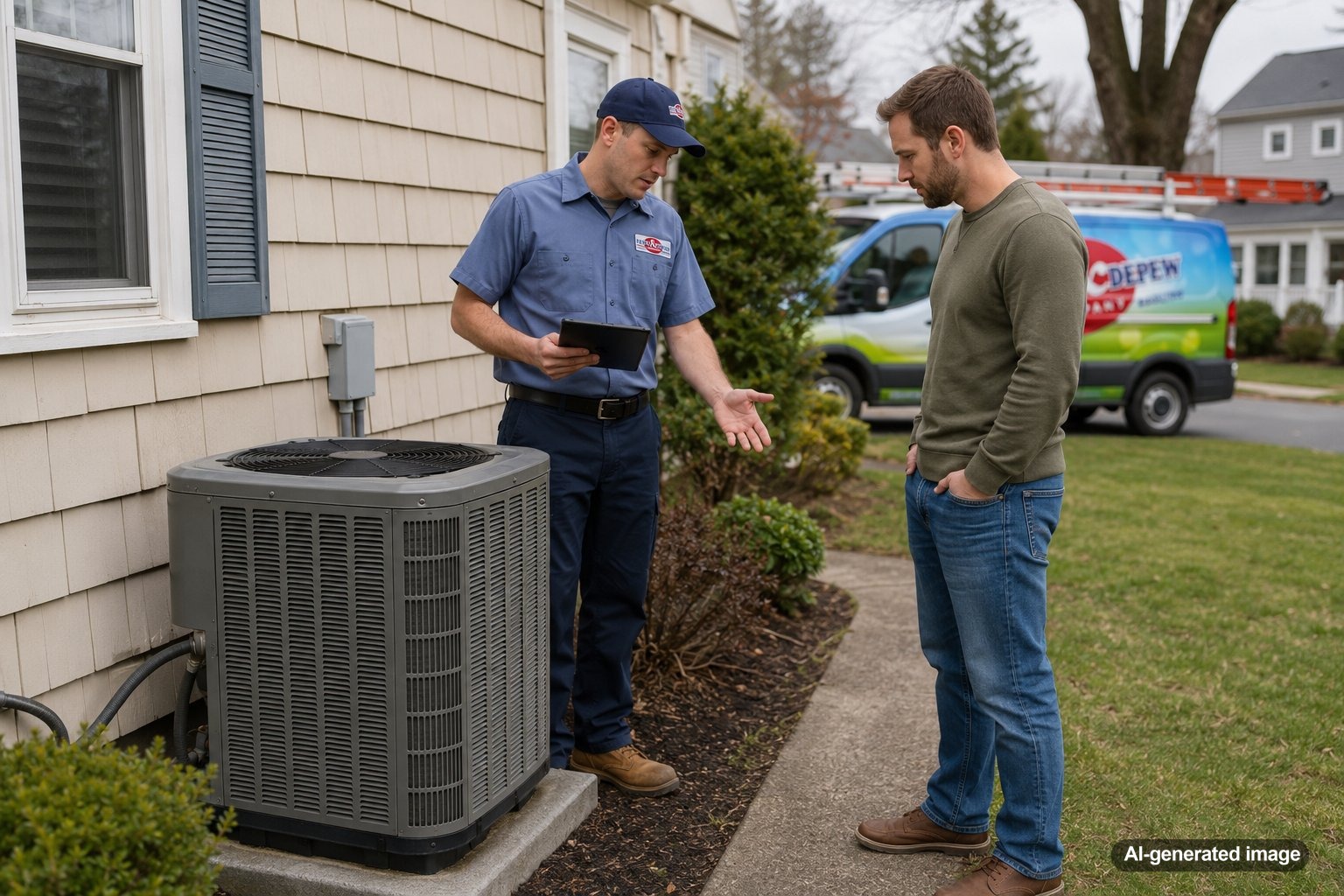
Replacing AC in an older New Jersey home is rarely as simple as swapping one outdoor unit for another. Older houses often have additions, finished attics, older ductwork, undersized electrical service, uneven insulation, and rooms that never seem to cool the same way. Before you choose a new system, it helps to understand how the home itself affects comfort, efficiency, airflow, and long-term reliability.
A properly planned AC replacement should look at more than the age of the equipment. The right approach considers the structure, duct system, thermostat placement, humidity, and how your family actually uses the house. Meyer & Depew helps homeowners throughout Central and Northern New Jersey evaluate these details before recommending AC installation and replacement options.
Before replacing AC in an older New Jersey home, have the full system evaluated, not just the condenser. Important items include equipment sizing, duct condition, electrical capacity, insulation, humidity control, airflow balance, and whether zoning or ductless equipment could solve comfort problems that a standard replacement may not fix.
Older Homes Often Need More Than A Like-For-Like AC Replacement
A like-for-like replacement can make sense in some homes, but older houses deserve a closer look. Many New Jersey homes were built before modern cooling expectations, and some were cooled later with ductwork added into spaces that were not originally designed for it. That can create restrictions, hot rooms, noisy airflow, and comfort issues that continue even after new equipment is installed.
The goal is not just to install a newer AC system. The goal is to match the system to the home. That means checking whether the previous unit was properly sized, whether the ductwork can move enough air, and whether the home has changed since the last installation. Additions, finished basements, renovated kitchens, sunrooms, and attic conversions can all change the cooling load.
Start With Proper AC Sizing
One of the most important steps before replacement is determining the right system capacity. Bigger is not automatically better. An oversized AC system may cool the temperature quickly but shut off before it has removed enough humidity. In a New Jersey summer, that can leave the home feeling damp, sticky, and uncomfortable.
An undersized system has the opposite problem. It may run constantly during hot weather and still struggle to reach the thermostat setting. Proper sizing should account for square footage, insulation, window exposure, ceiling height, air leakage, shade, room layout, and the condition of the duct system. A qualified HVAC professional can evaluate these factors instead of relying only on the size of the old unit.
Check The Ductwork Before Choosing Equipment
In many older homes, the ductwork is the quiet culprit behind poor comfort. Ducts may be too small, poorly sealed, crushed, disconnected, or routed through hot attics and crawl spaces. Even a high-quality new AC system cannot perform as intended if the air cannot move through the home properly.
Warning signs include weak airflow at certain vents, rooms that are much warmer than others, whistling registers, dusty supply vents, and a system that seems to run for long periods without evenly cooling the house. Before replacement, the duct system should be inspected so the new equipment is not being asked to overcome problems that belong to the air distribution system.
Think About Humidity, Not Just Temperature
New Jersey cooling comfort is heavily influenced by humidity. Older homes may have air leaks, older windows, damp basements, or limited ventilation, all of which can affect how the house feels during summer. A thermostat may show the target temperature while the rooms still feel clammy or heavy.
Equipment selection, system sizing, blower settings, maintenance, and airflow all affect moisture removal. In some homes, indoor air quality and comfort upgrades may also be worth discussing. Meyer & Depew’s air quality and comfort services can help homeowners think beyond basic cooling when humidity, stale air, or uneven comfort are part of the issue.
Review Electrical Capacity And Installation Conditions
Older homes may have electrical limitations that should be reviewed before installation day. The AC system, indoor equipment, disconnects, breakers, wiring, and other related components need to be appropriate for the new equipment. This is not a homeowner DIY area. Electrical and HVAC installation work should be handled by qualified professionals.
Access also matters. Older basements, closets, attics, and mechanical rooms may have tight clearances, older drain routing, limited service space, or unusual equipment locations. A careful pre-installation visit can reduce surprises and help determine what will be needed for a clean, serviceable installation.
Consider Whether Zoning Or Ductless Could Help Problem Rooms
Some comfort problems are caused by the way the house is built, not by a failing AC system alone. A third-floor bedroom, finished attic, sunroom, garage conversion, or old addition may never cool well from the main duct system. In those situations, replacing the central AC with another central AC may improve reliability but not fully solve the uneven comfort.
Zoning, thermostat upgrades, and ductless systems may be useful options depending on the home. For rooms that are difficult to serve with ductwork, ductless mini split systems can sometimes provide targeted comfort without major duct changes. A professional evaluation can help determine whether that approach makes sense for the space.
Safe Checks Homeowners Can Do Before An Estimate
- Make a list of rooms that are too warm, too cool, humid, noisy, or uncomfortable.
- Note whether comfort problems happen all summer or mainly during heat waves.
- Check when your air filter was last replaced and whether returns or supply vents are blocked.
- Look for obvious debris around the outdoor unit without opening or disassembling equipment.
- Gather information about past repairs, system age, and any renovations or additions since the last AC installation.
These checks can help your contractor understand the pattern of the problem. They should not replace a professional inspection, and homeowners should not open sealed equipment, handle refrigerant, modify wiring, or bypass safety controls.
When Replacement May Be Smarter Than Another Repair
Replacement may be worth discussing when the system is older, repair needs are becoming more frequent, cooling performance is declining, or the equipment uses outdated components that are harder to service. It may also make sense when the system no longer matches the home because of renovations, changes in occupancy, or persistent comfort complaints.
That does not mean every older AC system needs to be replaced immediately. In some cases, a repair or maintenance visit may be the practical next step. A trustworthy recommendation should explain what was found, what the options are, and how each choice affects comfort, reliability, and long-term planning.
Questions To Ask Before Replacing AC
Will the new system be sized for my actual home?
Ask how the contractor will determine capacity. The answer should include more than matching the old unit. Home layout, insulation, windows, sun exposure, ductwork, and comfort complaints all matter.
Are my ducts in good enough condition?
Ductwork can affect airflow, noise, efficiency, and room-by-room comfort. If some rooms have always been uncomfortable, the ducts should be part of the conversation before equipment is selected.
Should I replace the thermostat too?
It depends on the system, the home’s layout, and your comfort goals. Thermostat placement and compatibility matter, especially if zoning, staged equipment, or smart controls are being considered.
Could indoor humidity still be a problem after replacement?
Yes, if the system is not sized correctly, airflow is poor, or the home has moisture and air leakage issues. A good replacement plan should consider humidity as part of comfort, not as an afterthought.
For an older New Jersey home, the best AC replacement plan starts with the house, not just the equipment. Ductwork, sizing, humidity, electrical requirements, insulation, and hard-to-cool rooms should all be evaluated before you commit to a new system.
Thinking about replacing or upgrading your HVAC system?
Meyer & Depew can help you understand your options for comfort, efficiency, and long-term reliability in your New Jersey home or business.
Questions? Contact Meyer & Depew or call 908.272.2100.