

What Should You Know Before Scheduling an AC Installation During Summer?
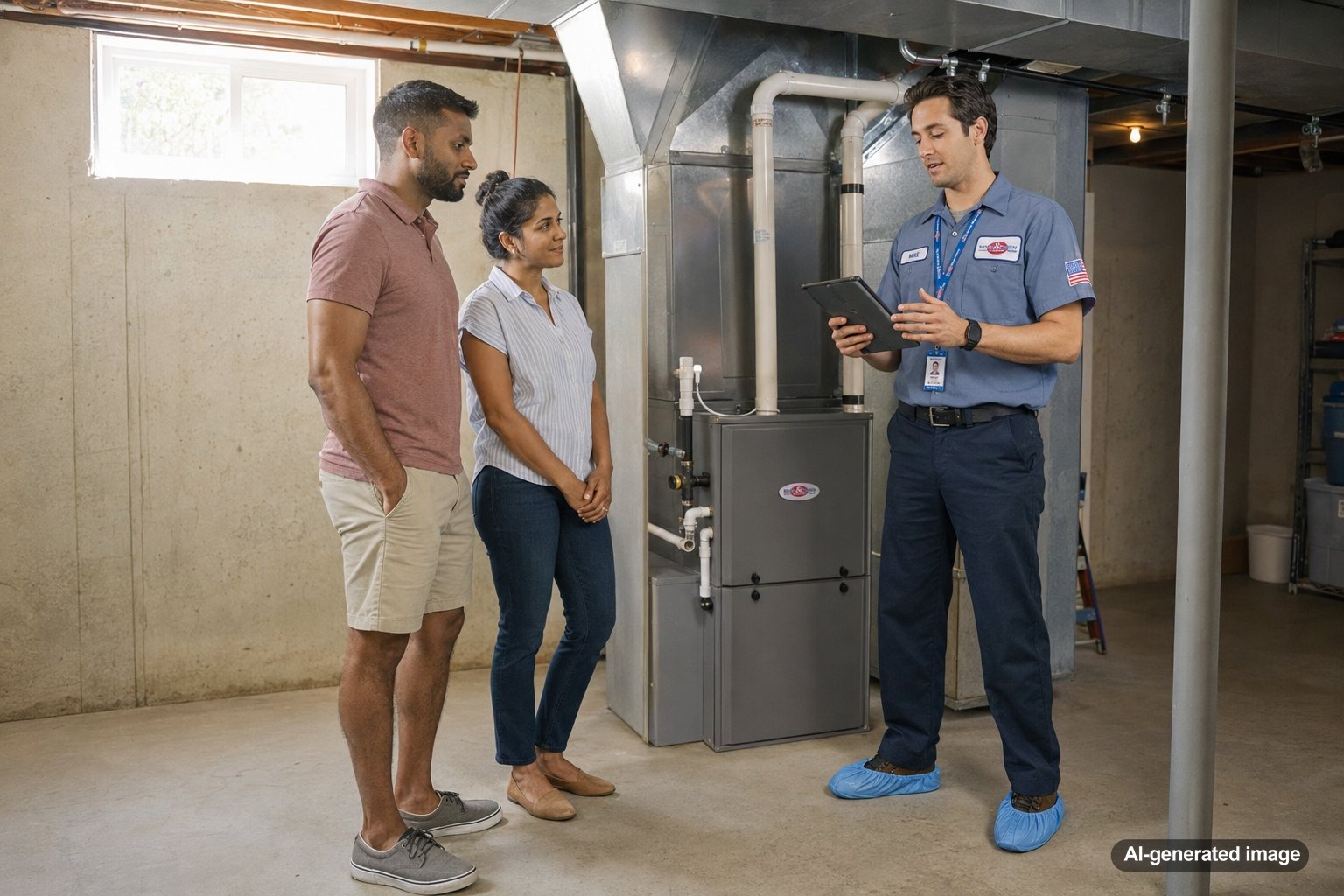
Scheduling an AC installation during summer is possible, but the process usually requires more planning than an installation completed during milder weather. Demand for cooling service is often high, equipment may be working under heavy loads, and your home can become uncomfortable quickly once the old system is shut down. The key is to choose the right equipment, understand the installation timeline, prepare the home, and avoid rushing into a decision simply because the temperature is rising.
If your current cooling system is aging, unreliable, or no longer keeping up, learning about AC installation and replacement before a complete breakdown can give you more control over the project. A qualified HVAC contractor can evaluate your home, explain appropriate system options, and help you plan around New Jersey’s summer heat and humidity.
Before scheduling a summer AC installation, confirm that the proposed system is properly sized, ask what work is included, understand how long your cooling may be unavailable, and make arrangements for pets, children, older adults, or anyone sensitive to heat. Contractor availability may be limited during peak periods, so it is wise to schedule an evaluation as early as possible.
Expect Summer Scheduling to Be More Competitive
Summer is one of the busiest times of year for cooling contractors. Service calls increase when systems fail during hot, humid weather, and installation crews may already have full schedules. That does not mean you cannot replace an AC system during summer, but it does mean you should ask direct questions about timing.
- When can the in-home evaluation be completed?
- When will the selected equipment be available?
- How soon can the installation crew begin?
- How long is the installation expected to take?
- What happens if weather or unexpected site conditions cause a delay?
A verbal estimate such as “soon” is less useful than a realistic installation window. The contractor should also explain whether the timing depends on equipment availability, permits, electrical work, duct modifications, or other project requirements.
Do Not Let the Heat Rush the Equipment Decision
A failed AC system can create pressure to approve the first available replacement. However, the fastest option is not automatically the best option for the home. The new system should be selected based on the building’s cooling needs, layout, insulation, windows, ductwork, occupancy, and other relevant conditions.
Choosing equipment based only on the capacity of the old unit can be a mistake. The previous system may have been oversized, undersized, or installed before renovations changed the home’s cooling requirements. A professional load calculation can help determine an appropriate capacity rather than relying on square footage alone.
An oversized system may cool the air quickly but shut off before removing enough moisture, which can leave the home feeling cool and clammy. An undersized system may run for long periods and still struggle to maintain the thermostat setting. Proper sizing is especially important in Central and Northern New Jersey, where summer humidity can affect comfort as much as temperature.
Ask What the Installation Quote Actually Includes
Two AC installation proposals may appear similar while covering very different scopes of work. Before approving a quote, ask for a clear explanation of what is included and what conditions could change the final scope.
- Removal and disposal of the existing equipment
- Installation of the indoor and outdoor components
- Refrigerant line evaluation or replacement
- Condensate drainage work
- Electrical connections and required safety components
- Thermostat installation or compatibility
- Duct transitions, sealing, or modifications
- System startup, testing, and homeowner orientation
- Permit coordination when required
The contractor should also explain whether existing ductwork can support the new system. A new AC unit cannot fully correct comfort problems caused by crushed ducts, disconnected sections, excessive leakage, inadequate returns, or poor airflow design.
Plan for a Temporary Loss of Cooling
During an AC replacement, the old system must be shut down and removed before the new equipment can operate. Even a well-organized installation can leave the home without cooling for part of the day or longer if the project is complex.
Ask the contractor when cooling will be turned off and when the new system is expected to begin operating. Then plan around the forecast and the needs of the household. Older adults, infants, people with certain health concerns, and pets may need a cooler place to stay during the work. Follow guidance from an appropriate healthcare professional when heat exposure could create a medical concern.
Closing blinds, limiting oven use, running ceiling fans, and keeping exterior doors closed may help reduce indoor heat gain. Fans can improve comfort, but they do not lower the actual room temperature and should not be treated as a substitute for a safely cooled environment during extreme heat.
Prepare the Indoor and Outdoor Work Areas
Installation crews need safe access to the outdoor condenser, indoor air handler or furnace area, thermostat, electrical panel, and any ductwork being modified. Preparing those areas can help the crew work efficiently and reduce the risk of accidental damage.
- Move vehicles away from the equipment access route.
- Clear stored items from around indoor HVAC equipment.
- Remove fragile decorations near hallways and work areas.
- Secure pets in a separate room or another safe location.
- Keep children away from tools, equipment, and open work areas.
- Provide access to the thermostat and electrical panel.
- Trim or move light vegetation that blocks the outdoor unit, when it is safe to do so.
Do not disconnect electrical wiring, refrigerant lines, or equipment components yourself. AC installation involves high-voltage electricity and refrigerant systems that should be handled by qualified professionals.
Discuss Humidity, Airflow, and Uneven Rooms
A replacement consultation is the right time to bring up comfort problems that the old system never solved. Tell the contractor if certain bedrooms remain warm, the second floor is difficult to cool, airflow is weak, the home feels humid, or the system cycles on and off frequently.
These symptoms do not always mean the old AC unit lacked capacity. They may be connected to duct restrictions, return-air limitations, insulation, solar heat gain, thermostat location, or the way the home is divided into zones. Depending on the property, options such as duct improvements, a compatible thermostat, zoning, or a ductless mini split system for a difficult area may be worth discussing.
The goal is not simply to replace the outdoor unit. It is to evaluate how the complete cooling system moves heat and moisture out of the home.
Understand What Happens During Startup and Testing
A new AC system should not be considered complete as soon as the equipment turns on. The installation team should perform startup checks and verify that the system is operating as intended.
Depending on the equipment and installation, this may include checking refrigerant-related operating conditions, airflow, temperature change, drainage, thermostat operation, electrical connections, and equipment communication. These are professional tasks and should not be attempted by a homeowner.
Before the crew leaves, ask how to operate the thermostat, where the air filter is located, what filter type is appropriate, how often it should be inspected, and what signs should prompt a service call. You should also know who to contact if the system does not cool properly after installation.
Know When Replacement Planning Should Begin
The easiest summer installation is often the one planned before the old system stops working entirely. Consider scheduling an evaluation if the AC needs increasingly frequent repairs, struggles through hot afternoons, produces inconsistent temperatures, makes unusual noises, or has reached an age where another major repair may not be a practical investment.
Those signs do not prove that replacement is necessary. Some problems may be repairable, and a qualified technician can evaluate the equipment before you decide. However, starting the conversation early allows time to compare options, review the proposed scope, and choose an installation date without making every decision during an uncomfortable emergency.
Frequently Asked Questions About Summer AC Installation
Can an air conditioner be installed on a very hot day?
In many cases, yes. The contractor will consider working conditions, equipment requirements, and crew safety. Severe weather, unsafe conditions, or unexpected project complications could affect the schedule.
How long does a residential AC installation take?
The timeline depends on the system type and project scope. A straightforward replacement may be completed within a day, while duct modifications, electrical updates, access challenges, or additional comfort improvements can require more time. Ask for a project-specific estimate.
Should I repair my AC first and replace it later?
That depends on the equipment’s condition, the nature of the failure, repair history, comfort performance, and the cost and availability of the required repair. A technician can explain the repair option without guaranteeing how long an aging system will continue operating.
Will a larger AC system cool the house better?
Not necessarily. A system that is too large may cycle too quickly and provide poor humidity control. Proper sizing and airflow are more important than simply choosing more capacity.
Should I replace the thermostat with the AC system?
It depends on the thermostat’s age, condition, features, and compatibility with the new equipment. Ask whether the existing thermostat can control all functions of the proposed system.
A summer AC installation can restore reliable cooling, but it should still be treated as a carefully planned home improvement. Start early, insist on proper sizing, review the complete scope, prepare for temporary heat, and make sure the installation includes testing and clear operating guidance.
Thinking about replacing or upgrading your HVAC system?
Meyer & Depew can help you understand your options for comfort, efficiency, and long-term reliability in your New Jersey home or business.
Questions? Contact Meyer & Depew or call 908.272.2100.