

What Are the Signs of a Failing HVAC System?
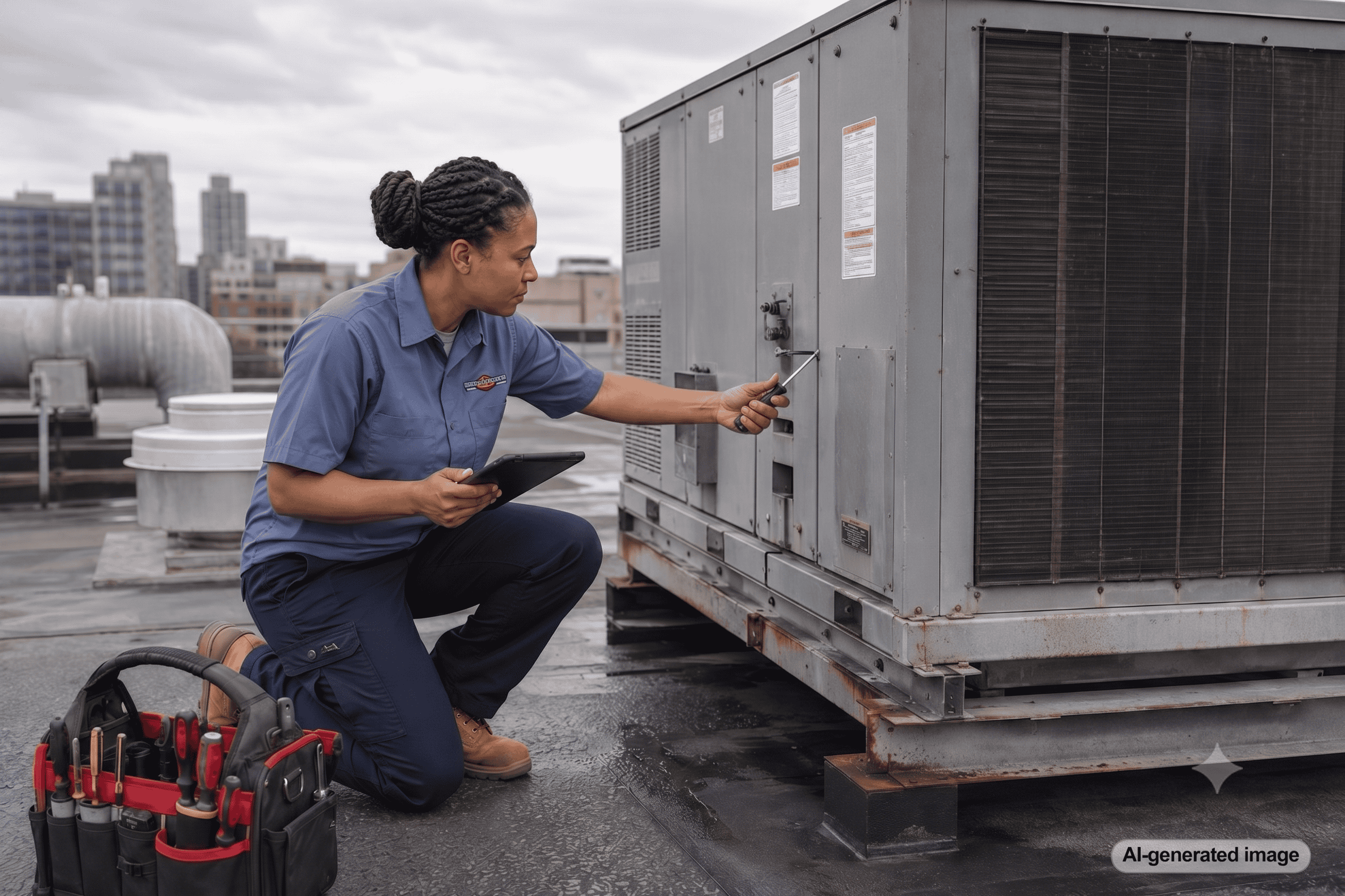
A failing HVAC system does not always stop working all at once. More often, it starts with small changes: rooms that never feel quite right, longer run times, strange noises, weak airflow, or utility bills that seem higher than they should be. For homeowners and businesses in Central and Northern New Jersey, catching those warning signs early can help reduce the risk of a sudden comfort problem during a humid summer stretch or a cold winter morning.
The main signs of a failing HVAC system include inconsistent temperatures, unusual sounds or odors, short cycling, weak airflow, rising energy use, frequent repairs, and poor humidity control. Some issues may be simple, such as a dirty air filter or blocked vent. Others can point to worn parts, refrigerant concerns, electrical problems, airflow restrictions, or equipment that may be nearing the end of its useful life. If symptoms continue, it is wise to schedule professional AC service and maintenance or heating service before the problem gets worse.
Quick answer:
Your HVAC system may be failing if it struggles to heat or cool evenly, runs constantly, turns on and off too often, makes new noises, gives off unusual odors, leaves the air too humid or too dry, or needs repeated repairs. You can safely check the thermostat, filter, vents, and obvious airflow restrictions, but persistent symptoms should be evaluated by a qualified technician.
Common Warning Signs Your HVAC System May Be Failing
A single symptom does not always mean the entire system is failing, but repeated or worsening problems deserve attention. HVAC equipment depends on airflow, electrical components, refrigerant, motors, controls, ductwork, and proper sizing all working together. When one part of that chain starts to struggle, comfort problems often show up inside the home or building before the equipment fully breaks down.
Uneven heating or cooling
If one room is comfortable while another is too hot or too cold, the cause could be duct leakage, poor airflow, an aging blower motor, thermostat placement, insulation gaps, or a system that can no longer keep up. In older New Jersey homes, uneven comfort can also be more noticeable in finished attics, additions, sunrooms, and rooms over garages.
Weak airflow from vents
Weak airflow may come from a clogged filter, blocked return, dirty coil, duct restriction, blower issue, or equipment problem. If changing the filter and opening vents does not help, the system may need a professional inspection. Low airflow can reduce comfort and may put extra strain on heating and cooling equipment.
Short cycling or constant running
An HVAC system that turns on and off every few minutes is short cycling. A system that runs almost nonstop may also be struggling. Both patterns can point to thermostat issues, airflow problems, improper equipment sizing, refrigerant concerns, dirty components, or failing controls. During a New Jersey heat wave or cold snap, longer run times can be normal, but the system should still make steady progress toward the thermostat setting.
New noises or unusual odors
Rattling, grinding, buzzing, banging, squealing, or clicking sounds should not be ignored, especially if they are new or getting louder. Musty odors may suggest moisture, dirty components, or duct concerns. A burning electrical smell, smoke, sparks, gas odor, or carbon monoxide concern should be treated as a safety issue. Leave the area if needed, contact the appropriate emergency service or utility, and have the equipment inspected by a qualified professional.
Comfort Problems That Point Beyond Normal Wear
Some signs of HVAC trouble are easy to dismiss because the system still turns on. That is often when a service visit is most useful. A qualified technician can look at the whole system, not just the most obvious symptom, and help determine whether the issue is a repair, maintenance concern, airflow problem, or possible replacement discussion.
- Rising energy bills: Higher energy use without a clear change in weather, usage, or utility rates can indicate the system is working harder than it should.
- Poor humidity control: A cooling system that leaves the home sticky may be short cycling, oversized, low on performance, or affected by airflow issues.
- Frequent repairs: If service calls are becoming more common, it may be time to compare repair costs with replacement options.
- Dusty or stale air: Airflow, filtration, ventilation, duct leakage, or indoor air quality concerns may be contributing to comfort complaints.
- System age: Older equipment is not automatically failing, but age matters when repair costs, comfort, efficiency, and reliability all start moving in the wrong direction.
For recurring comfort concerns, a planned maintenance approach can also help keep small issues from being overlooked. Meyer & Depew offers service plans for homeowners who want routine heating and cooling maintenance handled on a regular schedule.
What You Can Safely Check Before Calling
Before scheduling service, there are a few simple checks that may help rule out common household causes. These steps should not involve opening sealed equipment, working on wiring, handling refrigerant, adjusting gas components, or bypassing safety controls.
Safe checks before you call:
- Make sure the thermostat is set to the correct mode, temperature, and fan setting.
- Inspect or replace the air filter if it is dirty or overdue.
- Confirm that supply and return vents are open and not blocked by furniture, rugs, curtains, or storage.
- Look for obvious leaves, branches, or debris around the outdoor unit, without reaching into the equipment.
- Check whether the breaker has tripped once, if it is safe to do so. If it trips again, stop and call a professional.
If these basic checks do not improve the issue, the problem may be inside the equipment, ductwork, controls, or system design. Continuing to run a struggling system can sometimes make damage worse, especially if airflow is restricted or the unit is repeatedly short cycling.
Repair Or Replace: How To Think About A Failing HVAC System
Not every failing part means the entire HVAC system needs to be replaced. A failed capacitor, dirty component, worn belt, or thermostat problem may be repairable. On the other hand, repeated breakdowns, major component failures, poor comfort, age, and high operating costs can make replacement worth discussing.
A practical repair-versus-replacement conversation should consider the system’s age, repair history, comfort performance, safety, efficiency, and whether the equipment is properly sized for the home or building. Commercial properties may also need to account for occupancy patterns, tenant comfort, rooftop unit access, and the cost of downtime. The right answer is not always the cheapest immediate repair or the newest system. It is the option that makes the most sense for reliability, safety, comfort, and long-term use.
If replacement is becoming a realistic option, Meyer & Depew can help evaluate options for AC installation and replacement, heating replacement, and broader comfort upgrades based on the property and the way the space is used.
When To Schedule Professional HVAC Service
Schedule professional HVAC service if the system cannot maintain temperature, airflow remains weak, noises or odors continue, the equipment short cycles, the breaker trips repeatedly, or repair visits are becoming more frequent. It is also smart to schedule service before peak weather if the system already seemed strained during the last heating or cooling season.
Call for urgent help if you notice a gas smell, carbon monoxide alarm, burning electrical odor, smoke, sparks, flooding around equipment, or any condition that feels unsafe. In those situations, safety comes first. Shut the system off if it is safe to do so, leave the area when appropriate, and contact the proper emergency service, utility, or qualified professional.
FAQ: Signs Of A Failing HVAC System
Does weak airflow mean my HVAC system is failing?
Weak airflow can be a sign of a failing HVAC system, but it can also come from a dirty filter, blocked vent, closed damper, duct issue, or dirty indoor component. If simple filter and vent checks do not help, a technician can evaluate the cause.
Why does my HVAC system run all the time?
Constant running may happen during extreme weather, but it can also point to poor airflow, dirty coils, low cooling or heating performance, thermostat issues, duct leakage, or equipment that is no longer keeping up with the load.
Is short cycling serious?
Short cycling can put extra stress on the system and may reduce comfort. It can have several causes, including airflow restrictions, thermostat problems, refrigerant concerns, oversized equipment, or electrical issues. A professional diagnosis is the safest next step if it keeps happening.
How do I know whether to repair or replace my HVAC system?
Consider the age of the system, repair frequency, comfort performance, energy use, safety concerns, and the cost of the repair. A qualified HVAC technician can help you compare the practical options without guessing.
Bottom line:
A failing HVAC system usually gives warning signs before it quits completely. Pay attention to comfort changes, noises, odors, airflow, run times, humidity, and repair history. Early service can help identify whether the issue is a simple fix, a maintenance need, or a larger equipment decision.
Need help with your heating, cooling, or HVAC system?
Meyer & Depew serves homeowners and businesses throughout Central and Northern New Jersey.
Get a quote or call 908.272.2100.