

Should You Test Your Furnace Before the First Cold Night?
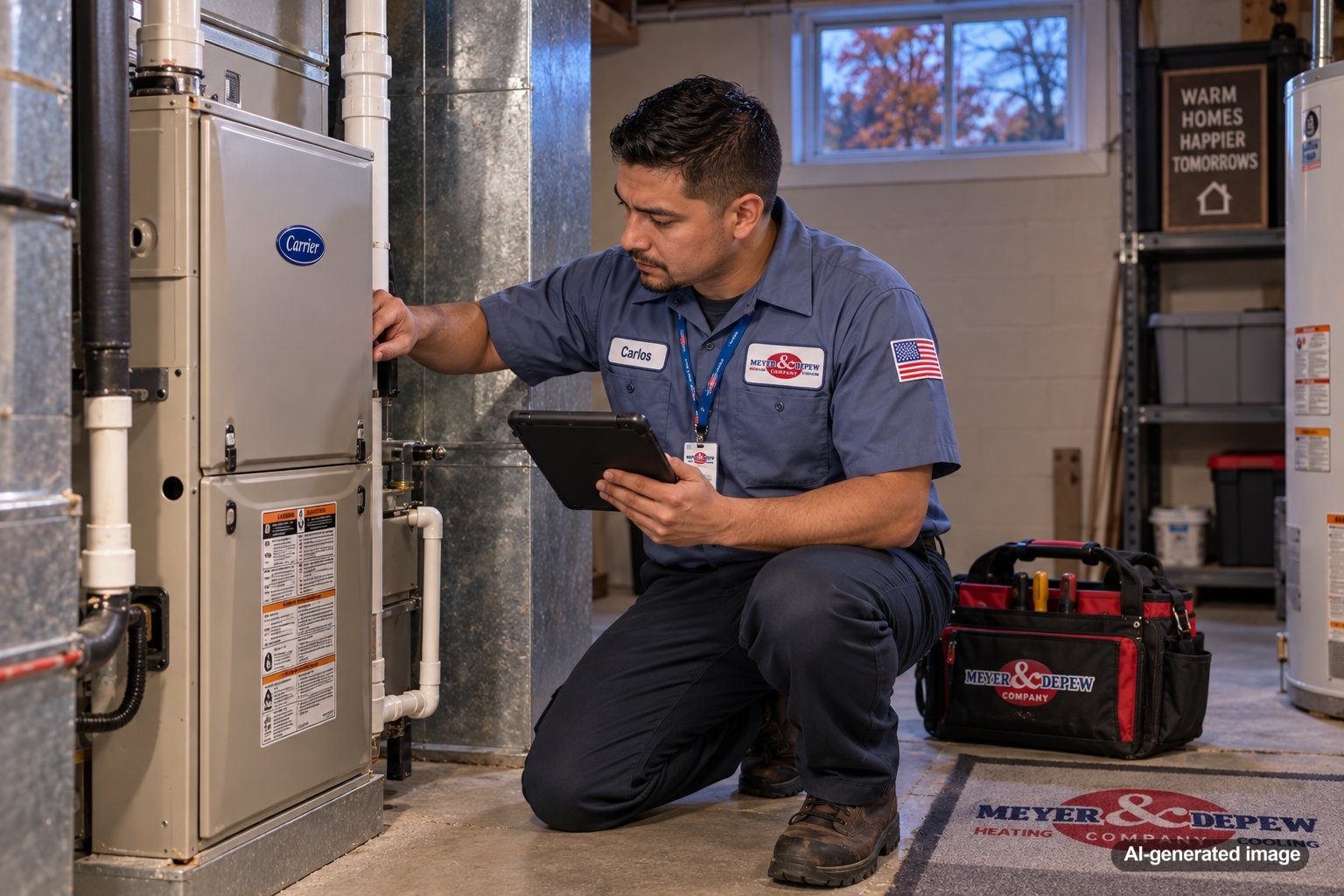
Yes, it is a good idea to test your furnace before the first genuinely cold night. Running the heating system while the weather is still mild gives you time to confirm that the thermostat responds, warm air reaches the rooms, and the system completes a normal heating cycle before your household is depending on it for comfort. In Central and Northern New Jersey, where temperatures can change quickly in fall, an early test can make seasonal heating preparation much less stressful.
A furnace that operated normally last winter can still develop a problem while sitting unused for months. An early test does not replace professional heating service and maintenance, but it can reveal obvious warning signs while you still have time to schedule service before colder weather arrives.
- Test the furnace before you need it continuously, ideally during a mild fall day.
- Confirm that the thermostat calls for heat and that warm air reaches the home normally.
- Pay attention to unusual odors, sounds, repeated cycling, weak airflow, or failure to start.
- Inspect the air filter and make sure supply and return vents are open and unobstructed.
- If the system behaves abnormally or presents a safety concern, stop troubleshooting and contact a qualified HVAC professional.
Why Testing Your Furnace Early Is Worth Doing
The first cold night is a poor time to discover that a heating system will not start. HVAC companies often become busier when temperatures drop because many homeowners turn on their furnaces at approximately the same time. Testing beforehand gives you a chance to identify an issue before heating becomes urgent.
An early startup also lets you observe the furnace under relatively low-stress conditions. You can listen to a complete cycle, check whether different rooms begin warming, and see whether the thermostat reaches the requested temperature without immediately depending on the system for overnight comfort.
This matters even if the furnace was working at the end of last season. Components can deteriorate, electrical connections can develop problems, filters can become restricted, thermostats can lose settings or connectivity, and dust can accumulate while the equipment sits idle.
What Should Happen During a Normal Furnace Test?
Start by setting the thermostat to heat and selecting a temperature a few degrees above the current indoor temperature. The system should respond and begin its normal startup sequence. Depending on the equipment, there may be a short delay before the blower begins moving warm air through the home.
Once the furnace is operating, check several supply vents rather than judging the entire system from one room. You are looking for reasonably consistent warm airflow, not necessarily identical airflow everywhere. Room layout, duct design, zoning, and distance from the equipment can all affect how quickly spaces warm.
Allow the system to complete a heating cycle. The thermostat should eventually satisfy the temperature setting and the system should shut down normally. A single test cannot prove that every component is in perfect condition, but it can expose obvious problems that deserve attention.
What Warning Signs Should You Watch For?
Several symptoms during the first heating cycle can justify a closer look. Some are comfort issues, while others may indicate that professional service is appropriate.
- The furnace does not start: Confirm that the thermostat is set to heat, the requested temperature is above room temperature, and the thermostat has power if applicable.
- Airflow feels unusually weak: A dirty filter, closed vent, blocked return, blower issue, or duct problem could be involved.
- The furnace starts and stops repeatedly: Frequent cycling can have several causes and should not be diagnosed from one symptom alone.
- Some rooms stay noticeably colder: Uneven comfort can relate to airflow, ducts, thermostat location, zoning, insulation, or other factors.
- You hear new or unusual noises: Persistent banging, grinding, scraping, or other unfamiliar sounds deserve attention.
- You notice a persistent abnormal odor: A brief dusty smell can occur when heating equipment first runs after months of inactivity, but strong electrical, burning, or gas odors should be treated seriously.
Is a Dusty Smell Normal the First Time the Furnace Runs?
A mild dusty odor during the first heating cycle of the season can occur as small amounts of settled dust warm up. The smell should generally be temporary. Opening interior doors and allowing normal ventilation may help it dissipate.
A smell that is strong, persistent, electrical, smoky, or otherwise unusual is different. If you smell gas, notice smoke or sparks, suspect carbon monoxide, or believe there may be an unsafe combustion condition, prioritize safety. Leave the area when appropriate and contact the gas utility, emergency services, or a qualified HVAC professional based on the situation.
Safe Checks Homeowners Can Make Before Calling for Service
- Make sure the thermostat is set to heat and the temperature setting is high enough to create a call for heat.
- Inspect the air filter and replace it if it is due for replacement or visibly restricted.
- Make sure supply registers and return grilles are open and not blocked by furniture, rugs, curtains, or stored items.
- Check whether the HVAC breaker has tripped once, if it is safe to do so. Do not repeatedly reset a breaker that continues to trip.
- Listen and observe the system through a normal heating cycle without opening equipment panels or attempting internal repairs.
Homeowners should not attempt to adjust gas pressure, repair electrical components, bypass safety switches, open sealed combustion sections, or perform other internal furnace repairs. Those tasks require appropriate training and equipment.
Why a Furnace Can Have Problems After Sitting All Summer
Months of inactivity do not guarantee that a heating system will restart exactly as it did in spring. Electrical components can age whether the furnace is running or not. Dust can accumulate. A thermostat may have been replaced, reprogrammed, or switched to a different mode during cooling season. Renovation, furniture changes, or stored belongings may also block vents or returns that were clear the previous winter.
In homes with shared HVAC components, cooling-season operation can also reveal or contribute to issues that affect heating performance later. The blower, thermostat, controls, duct system, and air filter may serve both heating and cooling functions.
Testing the Furnace Is Not the Same as a Heating Tune-Up
A homeowner startup test answers a basic question: does the heating system appear to start, operate, and warm the home normally? Professional maintenance goes further. A qualified technician can evaluate system operation, inspect accessible components, identify developing concerns, and assess conditions that a homeowner cannot safely evaluate from outside the equipment.
If keeping seasonal maintenance on schedule is difficult, a service plan can provide a more organized approach to routine HVAC care.
When Should You Test Your Furnace?
Do not wait for the forecast to call for freezing temperatures. A mild fall day is often a better time because you can run the system long enough to observe its behavior without urgently needing continuous heat.
For New Jersey homeowners, the exact calendar date matters less than being comfortably ahead of the first sustained cold period. If nighttime temperatures are beginning to fall and you have not operated the heating system since spring, it is reasonable to perform a basic startup test.
When Should You Call a Professional?
Schedule professional service if the furnace does not start after basic thermostat and filter checks, repeatedly shuts down, produces unusually weak airflow, makes persistent unfamiliar noises, struggles to warm the home, or behaves differently from previous seasons.
You should also seek qualified help rather than continuing to experiment if a breaker repeatedly trips or if you suspect an electrical or combustion-related problem. For gas odors, smoke, sparks, carbon monoxide alarms, or other immediate safety concerns, follow appropriate emergency procedures instead of continuing to operate the furnace.
Frequently Asked Questions
How long should I run my furnace for a fall test?
Run it long enough to observe startup, warm airflow, and a normal heating cycle. You do not need to overheat the house. The goal is to confirm that the furnace responds to the thermostat and appears to operate normally.
Should I replace the filter before testing the furnace?
If the filter is dirty, visibly restricted, or already due for replacement, changing it before the test is sensible. Make sure the replacement filter is the correct size and type for your system.
Can I test the furnace while it is still warm outside?
Yes. In fact, testing on a mild day can be useful because you have time to address a problem before colder weather creates an urgent need for heat. Raise the thermostat enough to create a call for heat and allow the system to complete a cycle.
Does a successful test mean I can skip furnace maintenance?
No. A successful startup test only confirms that the system appears to operate under the conditions you observed. It does not evaluate internal components, combustion performance, electrical condition, or every potential developing problem.
What if my furnace worked last winter but will not start now?
Check the thermostat settings, air filter, open vents, and accessible power controls. If the furnace still will not operate normally, schedule professional service rather than attempting internal repairs.
Testing your furnace before the first cold night is a simple way to find obvious heating problems while you still have time to deal with them. Confirm normal thermostat response, airflow, heating, and cycling, and arrange professional service when something does not look, sound, or smell right.
Need help with your heating, cooling, or HVAC system?
Meyer & Depew serves homeowners and businesses throughout Central and Northern New Jersey.
Get a quote or call 908.272.2100.