



When Should New Jersey Homeowners Start Worrying About Frozen Pipes?
Estimated reading time: 10 minutes
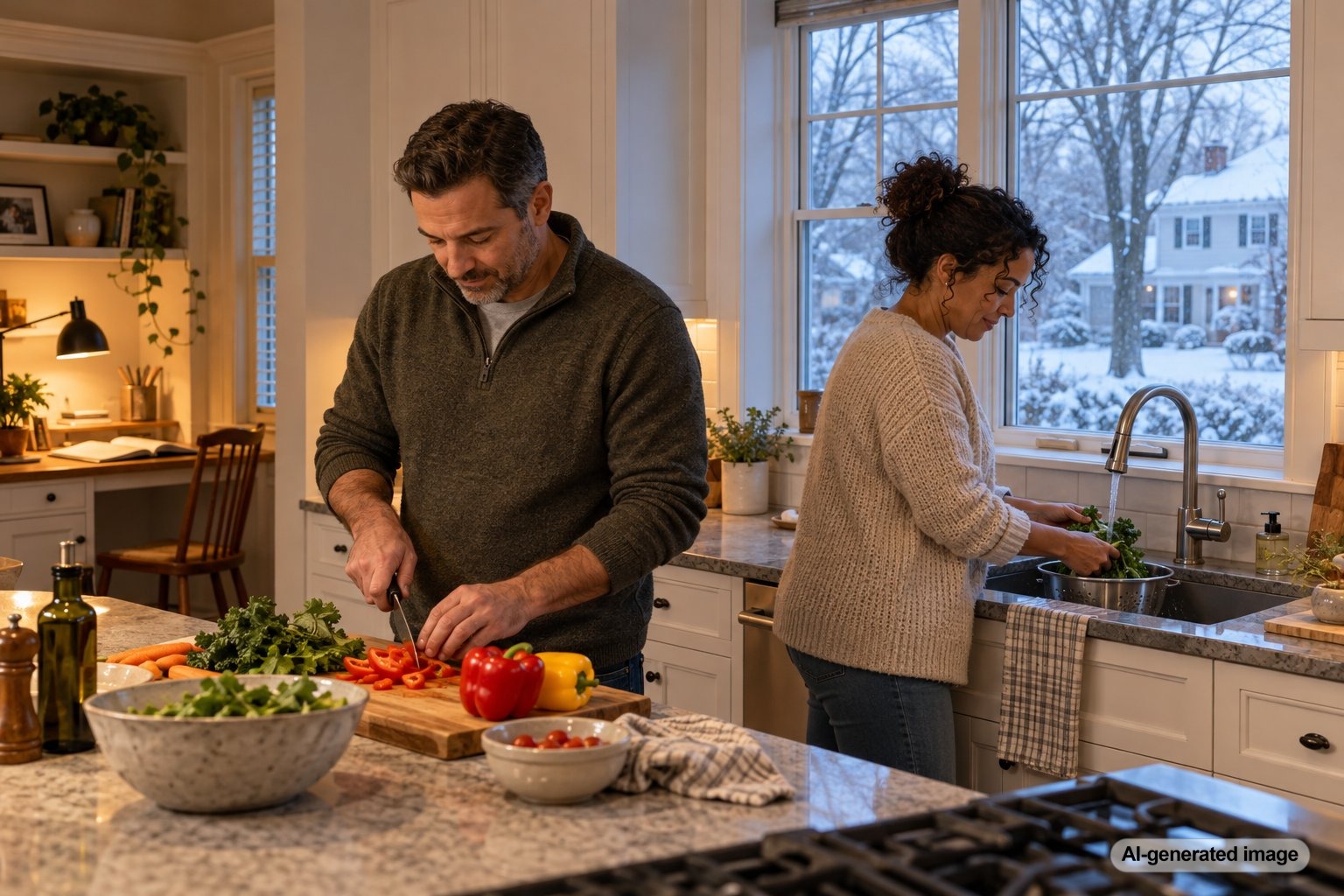
Frozen pipes are one of those winter problems that can catch New Jersey homeowners off guard. You might assume they’re only a concern when temperatures drop into the single digits, but exposed or poorly insulated plumbing can be vulnerable much sooner. When outdoor temperatures approach 20 degrees Fahrenheit, especially for several hours, it’s time to pay closer attention to pipes in unheated spaces and exterior walls. A malfunctioning heating system, persistent drafts, or an extended power outage can increase the danger considerably.
The important question isn’t simply how cold it is outside. It’s whether the air surrounding your plumbing is getting cold enough for the water inside to freeze. Understanding that distinction can help homeowners throughout Central and Northern New Jersey recognize trouble before a frozen pipe turns into an expensive water damage problem.
- Below 32 degrees Fahrenheit: Water can freeze, but pipes inside a properly heated home are generally protected.
- Around 20 degrees Fahrenheit or lower: The risk increases for exposed, poorly insulated, or drafty plumbing, particularly during sustained cold.
- During extended cold snaps: Several hours or consecutive nights of freezing weather can allow vulnerable spaces to become progressively colder.
- When indoor heating fails: Even moderately cold outdoor temperatures can become dangerous if the house loses heat for an extended period.
- When water flow changes: A faucet that suddenly slows to a trickle may indicate an ice blockage requiring prompt attention.
Why 20 Degrees Is an Important Warning Temperature
Water freezes at 32 degrees Fahrenheit, but that doesn’t mean every household pipe will freeze whenever the outdoor thermometer reaches freezing. Most plumbing is located inside the home’s insulated, heated envelope, where temperatures remain substantially warmer than the outdoor air.
Around 20 degrees Fahrenheit is a commonly used warning point for vulnerable residential plumbing. It isn’t a universal freezing threshold. A pipe’s actual risk depends on its location, insulation, exposure to moving cold air, water flow, and the length of the cold spell.
For example, an exposed pipe near a drafty crawl space vent may freeze during a cold night while plumbing located inside an interior wall remains unaffected. A pipe against a poorly sealed exterior wall can also become dangerously cold even when the room itself feels comfortable.
Homeowners should therefore treat weather forecasts as a prompt to check vulnerable areas rather than relying on one temperature to predict exactly when pipes will freeze.
The New Jersey Weather Conditions That Increase Frozen Pipe Risk
Several consecutive nights below freezing
A brief overnight dip below freezing is different from a prolonged cold snap. During consecutive cold nights, crawl spaces, garages, exterior walls, and other poorly heated areas may have less opportunity to warm up during the day.
A pipe that survives the first cold night could be more vulnerable after another day or two of sustained low temperatures.
Strong winds and cold air leaks
Wind doesn’t make an exposed pipe colder than the actual outdoor air temperature through wind chill alone. However, moving air can increase heat loss and push cold outdoor air through gaps around foundations, siding, crawl spaces, and utility penetrations.
For plumbing located near those openings, cold air infiltration can make a significant difference. This is especially relevant in older New Jersey homes with less effective air sealing.
Sudden temperature drops after mild weather
New Jersey winters frequently alternate between relatively mild afternoons and sharply colder nights. That can make freeze preparation easy to postpone.
A homeowner who hasn’t checked an outdoor faucet, disconnected a garden hose, or inspected exposed plumbing may discover that the first serious cold snap arrives before those tasks are completed.
Power outages during winter storms
An extended outage can affect both heating and plumbing protection. Even a reliable furnace or boiler may need electricity for controls, circulation, ignition, or other essential components.
As indoor temperatures decline, pipes in unheated or poorly insulated locations may become vulnerable. Homes left unoccupied during a power outage deserve particular attention.
Which Pipes Are Most Likely to Freeze First?
Not every pipe in a house faces the same exposure. The most vulnerable locations often have one thing in common: little protection from outdoor temperatures.
- Unheated garages: Water supply lines running along exterior garage walls may experience temperatures close to the outdoors.
- Crawl spaces: Inadequate insulation, gaps in foundation walls, and cold air movement can expose plumbing to freezing conditions.
- Exterior walls: Pipes behind kitchen or bathroom cabinets can become cold when insulation or air sealing is insufficient.
- Unfinished basements: Plumbing near poorly sealed windows, rim joists, or exterior openings can be more vulnerable than pipes deeper inside the basement.
- Outdoor faucets: Hose connections and exterior supply lines can freeze if they aren’t properly winterized.
- Attics and additions: Plumbing located outside the main heated living space may not receive enough warmth during sustained cold weather.
Consider a New Jersey home with a kitchen sink installed against an exterior wall. The thermostat may read a comfortable 68 degrees, but the space behind the cabinets could be much colder if outside air enters through wall penetrations.
That situation illustrates why a functioning thermostat doesn’t guarantee that every plumbing line is sufficiently protected.
How Your Heating System Affects Frozen Pipe Risk
Keeping the house consistently heated is one of the most important ways to reduce frozen pipe risk. However, the ability to protect plumbing depends on more than the thermostat setting.
Uneven temperatures between rooms
Some homes have rooms that remain noticeably colder than the rest of the house. Finished additions, rooms above garages, and spaces at the ends of heating runs can be especially troublesome.
If those areas contain plumbing, uneven heating may increase their exposure during a severe cold snap. Homeowners dealing with persistent cold spots should consider whether their heating distribution needs professional evaluation.
Furnaces or boilers that stop working overnight
A heating failure becomes more urgent when outdoor temperatures are well below freezing. Indoor air temperatures can fall over time, and plumbing in vulnerable locations may cool faster than occupied rooms.
If your furnace or boiler is struggling, making unusual noises, or repeatedly shutting down, scheduling professional heating service and maintenance before the coldest weather arrives can help identify problems affecting reliable operation.
Thermostat setbacks that are too aggressive
Lowering the thermostat while you’re sleeping or away can be part of an energy-conscious routine, but extreme winter setbacks may leave vulnerable plumbing with less protection.
For an occupied home, maintaining at least 55 degrees Fahrenheit is a commonly recommended minimum when away during freezing conditions. Some properties require higher settings because of their plumbing locations, insulation, or heating distribution.
Remember that a thermostat measures temperature at its own location. It doesn’t necessarily reflect conditions inside exterior walls or an unheated garage.
Practical Steps to Protect Your Pipes Before a Cold Snap
- Maintain consistent indoor heat. Avoid turning the heating system off during freezing conditions, even when leaving home for several days.
- Open cabinet doors where appropriate. Allow warmer room air to circulate around plumbing under sinks located against exterior walls. Keep hazardous cleaners and other unsafe items secured away from children and pets.
- Disconnect outdoor hoses. Follow the appropriate winterization procedure for exterior faucets and irrigation connections.
- Inspect accessible pipe insulation. Look for exposed plumbing in garages, crawl spaces, and other colder locations. Have unsafe or difficult-to-access areas evaluated by a qualified professional.
- Address noticeable drafts. Gaps near plumbing penetrations may allow cold air to enter. Appropriate air sealing can help reduce exposure.
- Check room temperatures. Pay attention to bathrooms, kitchens, additions, and other areas that become noticeably colder during winter.
- Know where the main water shutoff is located. Make sure household members understand how to turn off the water if a pipe breaks.
During particularly severe cold weather, allowing a small amount of water to drip from a faucet served by vulnerable plumbing may reduce freezing risk. Both hot and cold supply lines may need consideration. Follow local water conservation guidance, and remember that dripping water doesn’t guarantee protection or replace adequate heating and insulation.
Homes with recurring winter heating trouble may also benefit from discussing preventive maintenance and reliable heating operation through a residential HVAC service plan.
How to Recognize a Pipe That May Already Be Frozen
A frozen pipe isn’t always obvious. Ice may form inside a section of plumbing that you cannot see, particularly when the pipe runs through a wall or beneath a floor.
Possible warning signs include:
- Little or no water coming from a faucet when other fixtures still operate normally.
- An exposed section of pipe that appears unusually cold or has visible frost.
- Unexplained water pressure changes during an extended freeze.
- Unusual noises associated with restricted water flow.
- Water stains, dripping, or pooling that suggest a pipe may have cracked or burst.
A lack of water at one faucet doesn’t prove that a pipe has frozen. A valve problem, supply interruption, or other plumbing issue can produce similar symptoms.
If you suspect a frozen pipe, avoid using open flames, torches, or high-temperature heating devices to thaw it. Never use electrical heating equipment around standing water. A licensed plumber can determine the appropriate next steps.
If a pipe has burst, shut off the main water supply if it is safe to do so and contact a qualified plumbing professional promptly. Keep clear of electrical equipment or outlets exposed to water.
What If Your Heating System Stops During Freezing Weather?
A no-heat situation during a New Jersey cold snap deserves prompt attention, especially when the house contains plumbing in exterior walls, crawl spaces, or unheated rooms.
Homeowners can begin with a few basic checks: confirm the thermostat is calling for heat, verify the selected mode and temperature, inspect the air filter if applicable, and make sure accessible supply and return vents aren’t blocked.
If the system still isn’t heating, contact a qualified HVAC technician. Don’t repeatedly reset equipment, bypass safety controls, or attempt repairs involving gas, combustion components, or electrical wiring.
If indoor temperatures are falling and heat cannot be restored promptly, contact a licensed plumber for guidance on protecting or safely draining vulnerable plumbing. Take extra care if the property will be unoccupied.
If you smell gas or suspect carbon monoxide exposure, leave the building and contact emergency services or your gas utility from a safe location. Never operate fuel-burning generators, grills, or outdoor heaters inside the home or an attached garage.
Frequently Asked Questions About Frozen Pipes in New Jersey
Can pipes freeze when it’s 30 degrees outside?
Yes, although pipes inside a properly heated home are usually protected at that outdoor temperature. A pipe in an unheated space could already be below freezing, especially after prolonged cold weather. Exposure and duration matter more than a single outdoor reading.
How long does it take pipes to freeze at 20 degrees?
There isn’t one reliable time limit. A completely exposed pipe may freeze much sooner than a protected line inside an insulated wall. Pipe material, diameter, water movement, air temperature, and insulation all affect the timing. Don’t assume a pipe is safe simply because the temperature has only been low for a few hours.
Should I turn up my thermostat when temperatures drop into the teens?
Maintaining steady, adequate heat is generally more useful than waiting for pipes to become dangerously cold. If certain rooms are consistently colder than others, raising the central thermostat may not fully address the problem. Investigate the cold spots and consider professional heating evaluation.
Can pipes freeze even if my furnace is working?
Absolutely. Plumbing in a crawl space, unheated garage, or poorly insulated exterior wall may receive very little heat from the furnace. A comfortable living room temperature doesn’t guarantee that every water line is protected.
Do frozen pipes always burst immediately?
No. Some frozen pipes thaw without visible damage, while others crack or rupture. Ice blockages can create damaging pressure elsewhere in the line. A leak may only become apparent as ice melts and water begins flowing again. Suspected frozen plumbing should be assessed carefully rather than assumed harmless.
Prepare for Freezing Temperatures Before Heating Problems Begin
For New Jersey homeowners, the time to become concerned about frozen pipes is before outdoor temperatures reach their lowest point. Forecasts around 20 degrees Fahrenheit or below should prompt extra attention to exposed plumbing, but extended freezing weather, drafts, and loss of indoor heat can create problems at higher outdoor temperatures as well.
Protecting pipes begins with identifying vulnerable locations, maintaining adequate heat, and addressing heating problems before a prolonged cold snap. If you’re uncertain whether your furnace or boiler is operating reliably, a professional evaluation can help you make informed decisions before winter conditions become more demanding.
Need help with your heating, cooling, or HVAC system?
Meyer & Depew serves homeowners and businesses throughout Central and Northern New Jersey.
Get a quote or call 908.272.2100.