



Why Does My Air Conditioner Work Fine After a Technician Visits but Fail Again?
Estimated reading time: 14 minutes
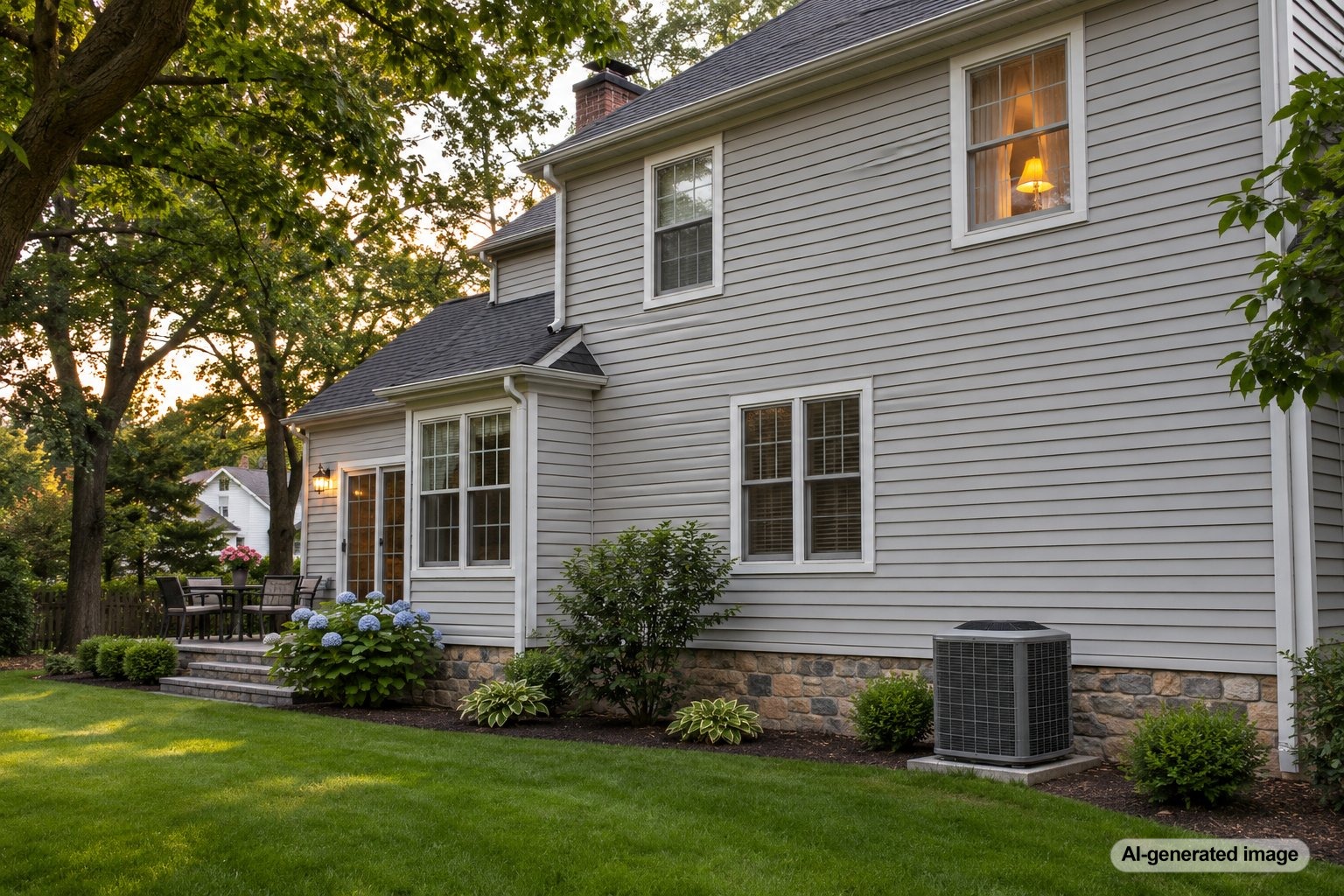
Your air conditioner stops cooling, a technician comes out, and suddenly everything seems normal again. The house gets comfortable, the system runs quietly, and you assume the problem has been solved. Then, a few hours or days later, the AC stops working again. It’s frustrating, especially when you have already arranged a service appointment and expected a lasting solution.
An air conditioner that works after a technician visits but fails again may have an intermittent electrical problem, an overheating component, a drainage issue, an airflow restriction, or another fault that only appears under certain operating conditions. Sometimes the original service addressed a real problem, but another issue remains. For homeowners in Central and Northern New Jersey, understanding why cooling problems return can make the next service visit more productive. Professional air conditioning service and maintenance should focus on identifying the conditions behind the failure, not simply confirming that the equipment turns on.
If your AC works immediately after a technician leaves but fails again, the system may have a problem that temporarily disappears when equipment cools down, power is interrupted, operating conditions change, or a component is adjusted. A successful test run does not always reveal faults that develop after several hours of operation.
- Electrical components can work intermittently before failing completely.
- Restricted airflow can contribute to overheating or evaporator coil freezing during extended operation.
- Condensate drainage problems may trigger a safety switch after enough water accumulates.
- Refrigerant-related or control problems may become noticeable only under certain conditions.
- A repair may correct one fault while another underlying issue still needs attention.
Why Can an Air Conditioner Seem Fixed When the Problem Is Still There?
Not every AC problem is present continuously. Some failures depend on temperature, humidity, electrical load, operating time, or how frequently the system starts and stops.
Imagine an air conditioner that operates normally for the first 20 minutes but shuts down after running for several hours on a humid afternoon. If a technician checks the system during a relatively mild period, the equipment might appear to perform properly. The condition responsible for the shutdown may not occur during that visit.
There is also a difference between getting an AC system running and determining why it stopped. Resetting a control, replacing a failed part, clearing an obstruction, or allowing equipment to cool can restore operation. Whether that action fully resolves the complaint depends on what caused the failure and whether additional faults are present.
This does not automatically mean the technician performed poor work. Intermittent HVAC problems can be difficult to reproduce. However, recurring failures warrant further investigation, particularly when the same symptoms keep returning.
Common Reasons Your AC Starts Working Again and Then Stops
1. A component fails after it heats up
Some electrical and mechanical components behave differently when they are warm than when they are cool. A motor, capacitor, relay, or connection may function during initial startup but become unreliable as operating temperatures rise.
For example, an outdoor condenser fan motor may run during a short test but shut down after prolonged operation. Depending on the system and the fault, this can interfere with heat rejection and lead to further operational problems.
When the equipment has time to cool, it may start again. This creates a pattern in which the air conditioner seems repaired following a service visit, only to stop working during the next long cooling cycle.
A qualified technician can evaluate electrical performance, component condition, and operation under the circumstances associated with the failure.
2. The evaporator coil freezes during extended operation
An air conditioner with inadequate airflow or certain refrigerant-related problems may develop ice on its indoor evaporator coil. As ice accumulates, airflow and cooling performance can deteriorate.
If the system is turned off during troubleshooting, the ice may melt. Once the coil thaws, airflow can improve and the system may appear to operate normally again. The original condition, however, may still exist.
Potential contributors include a heavily restricted air filter, blocked return airflow, blower performance problems, or an issue within the refrigerant system. These causes require different solutions, so identifying which condition is present matters.
If you notice ice on accessible refrigerant tubing or around the indoor equipment, avoid continuing to run the cooling system. Do not chip away ice, open equipment panels, or attempt refrigerant repairs. Arrange professional evaluation.
3. A clogged condensate drain causes an automatic shutdown
During humid New Jersey weather, an air conditioner removes moisture from indoor air as it cools. The collected water normally exits through a condensate drainage system.
If the drain becomes restricted, water may accumulate in a drain pan or backup location. Where a condensate safety switch is installed, it may interrupt cooling operation to help prevent overflow damage.
A technician might find the system running normally after water has drained or the safety switch has returned to its normal position. But if the drainage restriction remains, the shutdown can happen again after additional cooling cycles.
Recurring water accumulation deserves attention. Never bypass a condensate safety switch to keep the air conditioner operating.
4. An electrical connection or control problem is intermittent
Electrical problems do not always cause an immediate, permanent shutdown. A deteriorating connection, failing contactor, control board issue, thermostat wiring fault, or other control-related problem may interrupt operation unpredictably.
Movement, temperature changes, vibration, or an interruption of power can sometimes change how an intermittent fault behaves. The system may resume operation without the underlying problem being resolved.
These conditions are particularly important to diagnose correctly because some electrical faults can create equipment damage or safety concerns. Homeowners should not open electrical compartments, tighten connections, or attempt to test energized HVAC components.
5. The refrigerant system has a problem that wasn’t fully resolved
Cooling performance depends on proper refrigerant flow, suitable operating pressures, adequate airflow, and functioning mechanical components. A refrigerant leak, restriction, or metering problem may produce symptoms that vary with operating conditions.
If a system temporarily cools after service but quickly loses performance again, a technician may need to investigate whether a refrigerant-related issue remains. A system with a leak, for example, needs a properly diagnosed repair rather than repeated additions of refrigerant without addressing the source.
Not every recurring cooling failure is caused by low refrigerant. Assuming it is can delay the discovery of airflow, electrical, or control problems that create similar symptoms.
6. The thermostat or safety controls are interrupting operation
Sometimes the AC equipment is capable of cooling, but a thermostat, sensor, or protective control interrupts operation.
Possible examples include a loose thermostat connection, an improperly positioned temperature sensor, or an equipment safety control responding to abnormal operating conditions.
Smart thermostats can add another layer of complexity when settings, equipment configuration, or control communication are involved. However, a thermostat that appears normal does not rule out a problem elsewhere in the system.
A technician can determine whether the equipment is receiving the correct cooling command and whether a protective control is shutting it down for a legitimate reason.
Why Does the Problem Sometimes Return Only on Very Hot Days?
Heat and humidity can expose weaknesses that remain hidden during lighter operating conditions. An air conditioner that seems reliable on a 75-degree day may struggle when outdoor temperatures climb and the cooling system runs for longer periods.
Consider a home in Central New Jersey with an outdoor unit that has a marginal condenser fan motor. During moderate weather, short cooling cycles might not reveal a problem. During an extended hot afternoon, the motor may overheat and shut down.
Another home might have restricted airflow that allows ice to accumulate only after the air conditioner operates continuously for an extended period. The equipment may cool normally in the morning but perform poorly by late afternoon.
The distinction matters because a brief test showing that cold air is coming from the vents does not necessarily demonstrate that the system can operate reliably through demanding conditions.
Did the Previous Repair Fail, or Is This a Different Problem?
When an AC stops working again, homeowners naturally wonder whether the original repair was unsuccessful. There are several possibilities, and the distinction should be established through diagnosis rather than assumption.
The original fault was corrected, but another fault remains
An aging cooling system can have more than one component approaching failure. Replacing a defective capacitor, for example, may correct a starting problem while an unrelated blower or drainage issue remains.
In this situation, the completed repair may have been appropriate even though the system still requires additional work.
The symptom was resolved temporarily without eliminating its cause
Restoring operation is not necessarily the same as correcting the underlying failure. A safety switch may reset, an overheated component may cool down, or ice may thaw, allowing the AC to resume running.
If the reason for the original shutdown remains, the same problem can return.
The fault could not be reproduced during the visit
Intermittent conditions are sometimes absent when a technician arrives. The temperature may have changed, equipment may have cooled, or the system may have restarted before testing begins.
Good symptom documentation and appropriate follow-up testing can help narrow the possibilities when the original failure is difficult to observe directly.
A new issue developed after the service appointment
It is also possible for a different component to fail after a completed repair. Timing alone cannot establish that the new breakdown was caused by the previous service.
Ask the service provider to review the original findings and compare them with the current symptoms before deciding how the two events are related.
What Should a Technician Check When the Same AC Problem Keeps Returning?
The appropriate diagnostic process depends on the symptoms, equipment type, and history of previous work. Rather than focusing only on whether the air conditioner starts, a qualified technician may investigate several operating conditions.
- Previous service findings: What was diagnosed, what was repaired, and what measurements or observations supported the work?
- System operation over time: Does the failure occur during startup, after an extended run, or after repeated cooling cycles?
- Airflow: Are the filter, blower, evaporator coil, and ductwork allowing appropriate air movement?
- Electrical operation: Are relevant motors, capacitors, contactors, connections, and controls functioning correctly under operating conditions?
- Condensate management: Is water draining properly, and are any installed overflow protection devices operating as intended?
- Refrigerant system performance: Do appropriate diagnostic measurements indicate a refrigerant leak, restriction, or another performance issue?
- Thermostat and safety controls: Is the equipment receiving the proper commands, and is a protective device interrupting operation?
These are areas for professional evaluation, not a checklist requiring every component to be tested during every visit. The goal is to connect the observed symptoms with measurable evidence and determine which fault or combination of faults explains the recurring failure.
What Can You Safely Check Before Scheduling Another Service Visit?
A few basic observations can help you describe the problem more accurately without attempting risky repairs.
- Confirm that the thermostat is set to cooling and the requested temperature is below the current indoor temperature.
- Inspect the air filter and replace it if needed, using the appropriate type and size for your system.
- Make sure accessible supply and return vents are open and not blocked by furniture or other objects.
- Look for visible debris obstructing airflow around the outdoor unit without opening panels or reaching into the equipment.
- Note whether the indoor fan runs, the outdoor unit operates, or the entire system stops responding.
- Check for visible ice or unexpected water around accessible equipment without touching electrical components or opening cabinets.
- If safe, check whether the dedicated breaker has tripped, but do not repeatedly reset a breaker that trips again.
If there is smoke, sparking, an electrical burning smell, or another potentially dangerous condition, stop using the equipment if safe and contact the appropriate emergency service or qualified professional. Avoid operating electrical equipment in flooded areas.
Do not bypass safety devices, open electrical panels, add refrigerant, or repeatedly force the system to restart. These actions can introduce hazards or make an existing failure worse.
Keep a Simple Record of What Happens Before the AC Fails
One of the most useful things a homeowner can do is document the circumstances around an intermittent breakdown. Details that seem unimportant can help a technician identify patterns.
Record the approximate time the problem occurs, the outdoor conditions, how long the AC had been operating, and what the thermostat displayed. Note whether the system stopped suddenly, continued blowing warm air, or gradually lost cooling capacity.
For example, telling a technician that the AC stops at approximately 4 p.m. after several hours of continuous operation provides more diagnostic context than simply saying it doesn’t cool sometimes.
Also note whether the failure happens only during humid weather, when several zones are calling for cooling, or after the system has been off overnight. If the thermostat displays a warning or error code, photograph it before the display changes, provided you can do so safely.
When requesting another appointment, mention that this is a repeat issue and provide the date of the previous visit. Keep the earlier service invoice or description of completed work available. That information can help the technician distinguish between an unresolved condition and an unrelated new problem.
Should You Keep Repairing an Air Conditioner That Repeatedly Breaks Down?
A recurring problem does not automatically mean your air conditioner needs replacement. Some failures can be corrected once the actual cause is identified. Others may indicate that several components are deteriorating or that the equipment is approaching the point where replacement deserves consideration.
Factors worth discussing include the equipment’s age, overall condition, maintenance history, repair history, availability of replacement parts, and the findings from a complete diagnosis.
Pay particular attention to whether the system has experienced repeated failures involving different major components or whether the same condition has continued despite multiple repair attempts. These situations call for a broader conversation about reliability and long-term cost.
If the equipment is aging and significant repairs are being considered, it may be useful to compare those repairs with the options available through AC installation and replacement. A qualified HVAC contractor can explain the practical differences without assuming that new equipment is always the right answer.
When Should You Request Another HVAC Service Appointment?
Contact your HVAC service provider when the original cooling problem returns, especially if it happens repeatedly, the equipment shuts down unexpectedly, or the home cannot maintain a comfortable temperature.
A follow-up visit is also appropriate when the AC appears to recover only after being turned off for a while, when ice keeps forming, or when water repeatedly accumulates around the indoor unit.
Describe the symptoms and the prior repair clearly. Rather than requesting that the same component simply be replaced again, explain that you want the recurring condition investigated.
For homes in Central and Northern New Jersey, summer heat and humidity can place sustained demands on air conditioning equipment. Addressing a recurring failure before another prolonged cooling period may help reduce disruptions and provide a clearer understanding of the system’s condition.
Frequently Asked Questions
Why does my AC work for a few hours after a repair and then stop?
The system may have a component that fails when hot, a coil that gradually freezes, a condensate drain that triggers a safety shutdown, or another intermittent fault. A short period of normal operation does not establish which cause is responsible. Professional testing may be needed to reproduce the failure.
Can resetting my thermostat temporarily fix an AC problem?
A reset may temporarily restore communication or operation in some circumstances, but it does not necessarily correct the underlying fault. If cooling repeatedly stops and resumes after a reset, document the behavior and request professional diagnosis rather than relying on frequent resets.
Does an AC that keeps shutting off always have an electrical problem?
No. Electrical faults are one possibility, but airflow restrictions, frozen evaporator coils, drainage safety switches, refrigerant-related issues, thermostat problems, and equipment protection controls can also interrupt cooling.
Should I call the same HVAC company if the problem comes back?
Contacting the original service provider is often a practical first step because the company may have records of the previous diagnosis and repair. Explain when the symptoms returned and ask about the process for evaluating a recurring issue. Service terms and any applicable workmanship coverage should be confirmed directly with the provider.
Can preventive maintenance stop this from happening again?
Routine maintenance may help identify developing problems, including restricted airflow, drainage issues, and certain component concerns. However, maintenance cannot prevent every breakdown or guarantee that an intermittent fault will appear during an inspection. Persistent symptoms still require targeted troubleshooting.
The Bottom Line: A Working AC Isn’t Always a Fully Repaired AC
When your air conditioner works after a technician visits but fails again, the most important question is what conditions cause the failure to return. Temporary cooling can be misleading when the actual problem develops only after extended operation, higher temperatures, changing humidity, or repeated startup cycles. Documenting the pattern and arranging a thorough follow-up evaluation can help identify the underlying issue and guide an appropriate repair decision.
If you are dealing with recurring cooling problems, you do not have to guess whether the previous repair failed or another component needs attention. An experienced HVAC professional can review the service history, evaluate the symptoms, and explain what additional testing or repair may be appropriate.
Need help with your heating, cooling, or HVAC system?
Meyer & Depew serves homeowners and businesses throughout Central and Northern New Jersey.
Get a quote or call 908.272.2100.