

Why Dirty Evaporator Coils Can Cause Odors
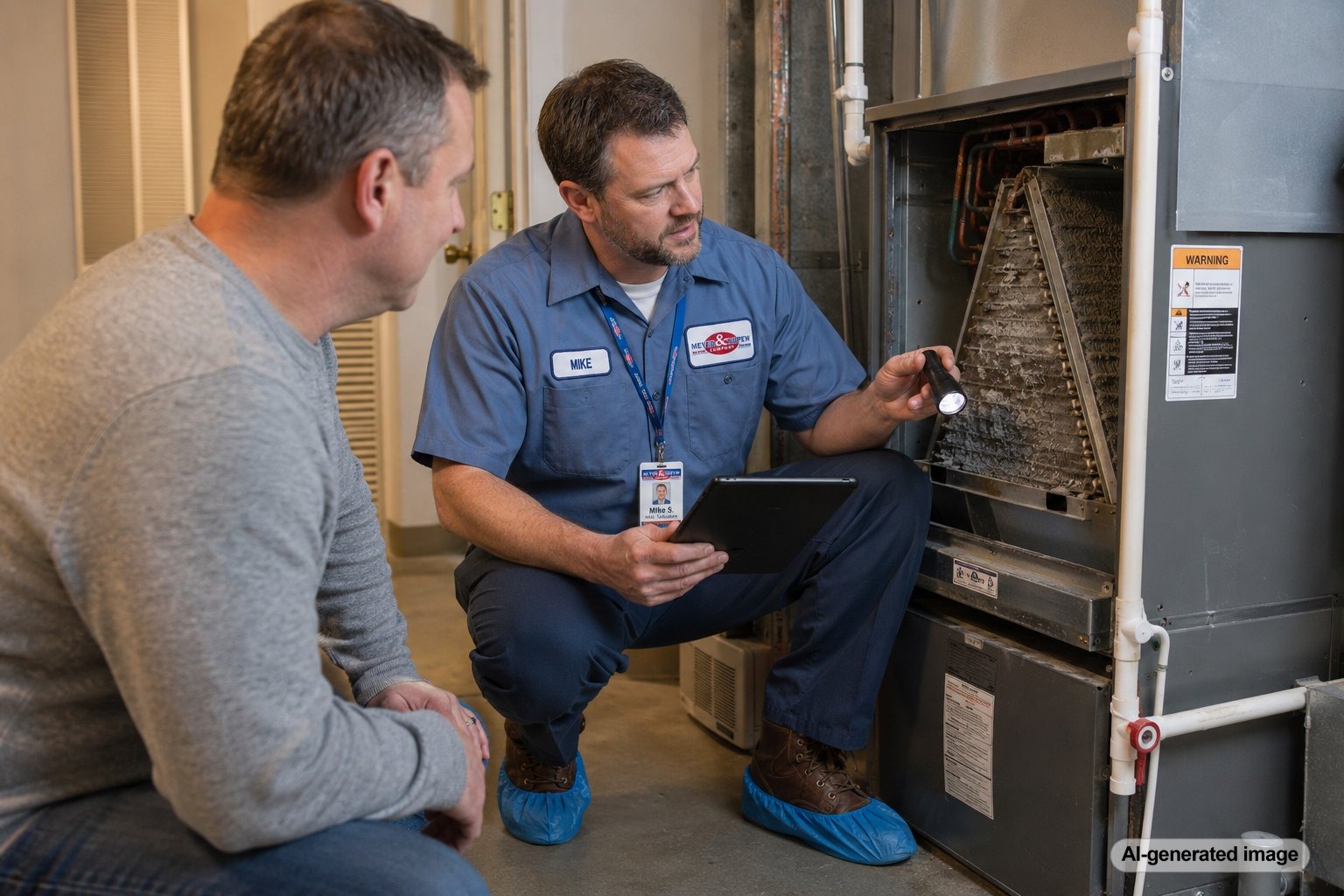
A musty or stale smell from your AC is easy to blame on vents, filters, or damp weather, but the odor may be coming from a part of the system you cannot see: the evaporator coil. When that coil gets coated with dust, moisture, and organic debris, it can create the kind of environment where unpleasant odors develop and then move through the ductwork whenever the cooling system runs.
For homeowners and businesses in Central and Northern New Jersey, this issue often becomes more noticeable during humid weather, when air conditioning systems work longer and remove more moisture from indoor air. A dirty coil does not automatically mean there is a serious failure, but it is a sign worth taking seriously. Regular AC service and maintenance can help identify coil buildup, drainage issues, and airflow problems before odors become harder to control.
Dirty evaporator coils can cause odors because they collect dust, moisture, pet dander, pollen, and other particles from the air. When that buildup stays damp, it can produce musty, sour, or stale smells that are pushed through the home or building by the HVAC system.
How the evaporator coil affects indoor air
The evaporator coil sits inside the indoor portion of a central AC system or heat pump. Warm indoor air passes over the cold coil, heat is absorbed, and moisture in the air condenses on the coil surface. That is normal operation. The trouble starts when dirt and debris collect on the coil and mix with that moisture.
Think of the coil as a hidden air contact point. If the air filter is dirty, missing, poorly fitted, or not changed often enough, more particles can reach the coil. Over time, a sticky layer can form. Once that layer holds moisture, odor-causing buildup may develop and spread through the supply vents when the system turns on.
Why dirty coils can smell musty, sour, or stale
Odors from a dirty evaporator coil are usually tied to moisture and buildup. A clean coil is designed to drain condensation away through the condensate system. A dirty coil can hold moisture unevenly, slow down drainage, and create damp surfaces that stay wet longer than they should.
Common odor patterns include a musty smell that suggests damp buildup, a sour smell that may come from stagnant moisture or microbial growth, and a dusty smell that appears when the system first starts after sitting idle. In humid New Jersey summers, the smell may seem worse after heavy AC use, after storms, or when the system cycles on and off frequently.
Common reasons the coil gets dirty
Evaporator coils can become dirty for several reasons, and more than one may be happening at the same time. A neglected air filter is one of the most common causes, but it is not the only one. Air leaks around the filter rack, poor airflow, dust from renovations, pet hair, and heavy pollen seasons can all contribute to coil buildup.
In commercial buildings, coil odor problems may also be connected to high occupancy, longer operating hours, frequent door openings, or maintenance schedules that are stretched too far. Offices, retail spaces, medical offices, and mixed-use buildings often have different airflow and ventilation demands than a typical home, which can make odor complaints harder to trace without a professional inspection.
Safe checks before you call
Homeowners and property managers can do a few safe checks before scheduling service. These steps will not clean a dirty evaporator coil, but they can help rule out simple causes and reduce stress on the system.
- Check the thermostat settings and make sure the fan is not set to run constantly if that seems to make the odor worse.
- Inspect the air filter and replace it if it is dirty, clogged, or overdue.
- Make sure supply and return vents are open and not blocked by furniture, rugs, boxes, or curtains.
- Look for water around the indoor unit, which could point to a condensate drainage issue.
- Notice when the smell happens, such as only at startup, after long cooling cycles, or whenever the fan runs.
Do not open sealed HVAC panels, touch electrical components, attempt refrigerant work, or pour chemicals into the system. If you notice smoke, sparks, an electrical burning smell, or any condition that feels unsafe, shut the system down if you can do so safely and contact a qualified professional or the appropriate emergency service.
Why coil cleaning is not just about the smell
Odor is often the symptom that gets someone’s attention, but a dirty evaporator coil can affect more than the way the air smells. Buildup on the coil can restrict heat transfer, reduce airflow, and make the system work harder to cool the space. That may contribute to longer run times, uneven rooms, weak cooling, or a system that seems to struggle during hot and humid weather.
A professional technician can evaluate whether the odor is truly coming from the coil or from another issue, such as a clogged condensate drain, dirty blower assembly, duct contamination, poor filtration, or humidity control problem. In some homes, the best solution may involve coil cleaning and better filtration. In others, broader air quality and comfort improvements may be worth discussing.
When to schedule professional HVAC service
Schedule service if the odor keeps returning after a filter change, if the smell is strongest when the AC runs, if you see moisture near the indoor unit, or if cooling performance has changed. A qualified technician can inspect the coil, blower compartment, drain pan, condensate line, airflow, and filter setup to determine what is contributing to the odor.
Professional coil cleaning requires the right access, cleaning method, and care around sensitive HVAC components. It is not the same as spraying a household cleaner near the equipment. The goal is to clean the affected surfaces safely while also addressing the reason the coil became dirty or stayed damp in the first place.
How maintenance helps reduce odor problems
Preventive maintenance cannot guarantee that odors will never happen, but it can reduce the risk of hidden buildup going unnoticed. During routine service, technicians can look for airflow restrictions, clogged drains, dirty coils, weak blower performance, and other issues that may contribute to odor and comfort complaints.
For many New Jersey homeowners, a maintenance plan is a practical way to keep cooling and heating service from slipping off the calendar. If your system has had repeated odors, frequent filter problems, or humidity concerns, service plans can help make routine care more consistent.
FAQ: dirty evaporator coils and HVAC odors
Can a dirty evaporator coil make the whole house smell?
Yes, it can. If odor is forming at the coil or nearby drain pan, the blower can move that smell through the ductwork and into multiple rooms whenever the system runs.
Will changing the air filter remove the smell?
A fresh filter may help if the old filter was clogged or contributing to dust buildup, but it usually will not remove odor already coming from a dirty coil, drain pan, or condensate issue.
Is a musty AC smell always mold?
No. A musty smell can come from several damp or dirty areas in the HVAC system. A qualified technician can inspect the equipment and help identify the likely source without guessing.
How often should evaporator coils be checked?
They should be checked during routine AC maintenance, especially if the system runs heavily, the home has pets, filters clog quickly, or there have been previous odor or humidity issues.
Dirty evaporator coils can trap moisture and debris, which may lead to musty or stale HVAC odors. If the smell keeps coming back, the safest next step is to have the indoor equipment inspected and serviced by a qualified HVAC professional.
Need help with your heating, cooling, or HVAC system?
Meyer & Depew serves homeowners and businesses throughout Central and Northern New Jersey.
Get a quote or call 908.272.2100.