

Why Electrical Parts in AC Systems Wear Out in Summer
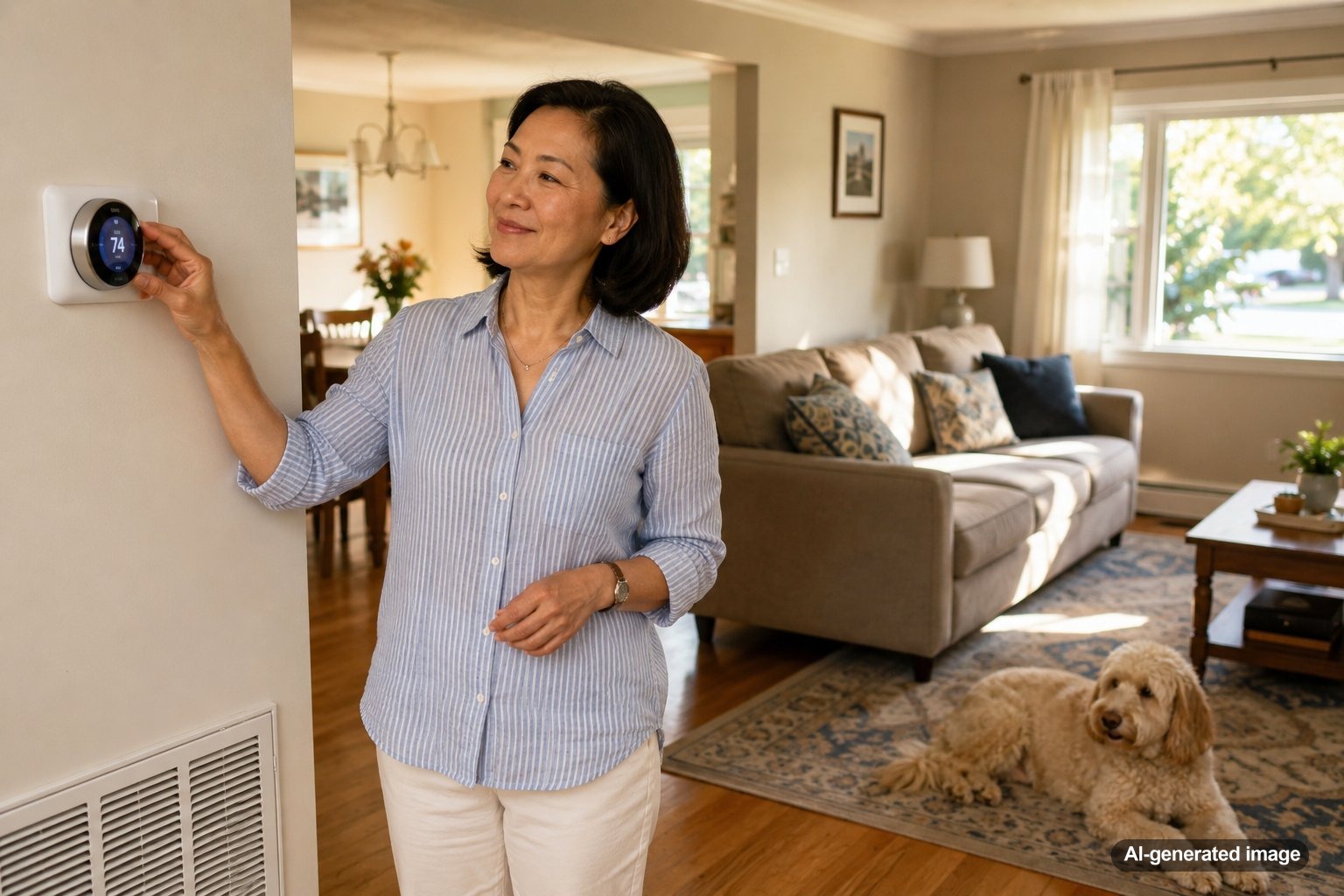
Electrical parts in an AC system often wear out faster during summer because the equipment runs longer, starts more frequently, and operates in higher outdoor temperatures. Components such as capacitors, contactors, relays, motors, and wiring connections are placed under repeated electrical and thermal stress every time the system cycles. During a hot and humid New Jersey summer, that workload can expose parts that were already weakened by age, corrosion, loose connections, or normal wear.
These failures are not always predictable, but understanding why they happen can help homeowners recognize warning signs and avoid unsafe troubleshooting. Professional AC service and maintenance can identify deteriorating components, abnormal electrical readings, and heat damage before they lead to a complete loss of cooling.
Summer heat does not simply make your home warmer. It also makes the AC system work harder and increases stress on electrical components.
- Longer run times create more heat inside motors and electrical parts.
- Frequent starts place heavy demand on capacitors, contactors, and compressors.
- High outdoor temperatures make it harder for components to release heat.
- Loose, corroded, or aging connections may fail under peak demand.
- Restricted airflow can increase operating pressure and electrical load.
Why Summer Operation Is Hard on AC Electrical Components
An air conditioner uses electricity to start and operate several major components, including the compressor, outdoor fan motor, indoor blower motor, and control system. Each component has a specific electrical load. When outdoor temperatures rise, the system may run for much longer periods to remove heat and humidity from the home.
Longer cycles mean motors stay energized longer, electrical contacts open and close more often, and internal temperatures remain elevated. Even a properly sized and maintained system experiences more wear during a prolonged stretch of hot weather than it does during a mild spring day.
Problems become more likely when the system is older, dirty, poorly maintained, or struggling with an airflow restriction. A clogged filter, blocked return, dirty outdoor coil, or failing motor can force other components to operate under greater stress. The electrical failure may be the visible problem, but the underlying cause may involve several parts of the system.
AC Capacitors Can Weaken Under Heat and Repeated Starts
Capacitors help provide the electrical boost needed to start and operate motors. Many central AC systems use capacitors for the compressor and outdoor fan motor. These parts naturally lose capacity over time, and sustained heat can accelerate that decline.
A weak capacitor may allow a motor to struggle during startup, run inconsistently, or fail to start at all. Homeowners may notice humming from the outdoor unit, delayed startup, intermittent cooling, or an outdoor fan that is not turning. These symptoms can also have other causes, so they should not be treated as a certain diagnosis.
Capacitors can retain a dangerous electrical charge even when power to the system has been turned off. They should not be tested, handled, or replaced by an untrained homeowner. A qualified HVAC technician can safely evaluate the capacitor and determine whether another problem contributed to its failure.
Contactors and Relays Wear Each Time the System Cycles
A contactor is an electrically controlled switch that helps send power to major AC components. Each time the thermostat calls for cooling, the contactor opens or closes the electrical circuit. Over thousands of cycles, the contact points can become worn, pitted, dirty, or burned.
Hot weather can increase the number and duration of cooling cycles. If the AC is short cycling because of a control issue, airflow problem, oversized system, or another fault, the contactor may be activated far more often than normal. That repeated switching can increase wear and eventually prevent reliable operation.
Relays and control boards may experience similar stress. Power fluctuations, moisture, insect activity, corrosion, or excessive heat can damage delicate control components. Because several faults can create similar symptoms, professional electrical testing is usually needed to isolate the actual cause.
Motors Generate More Heat During Long Cooling Cycles
The blower motor and outdoor fan motor help move air through the system and release heat outdoors. During peak summer conditions, these motors may operate for extended periods with limited time to cool down.
Motor wear can be accelerated by dirty components, restricted airflow, worn bearings, voltage problems, or a weak capacitor. For example, a heavily restricted air filter can reduce airflow through the indoor system. The resulting operating conditions may increase strain on the blower and contribute to poor comfort, frozen coils, or other system problems.
The outdoor fan motor also works in a demanding environment. It is exposed to heat, moisture, dirt, pollen, and weather. If the outdoor coil is coated with debris or airflow around the unit is blocked, the system may have difficulty releasing heat. This can increase operating pressures and place additional demand on the compressor and fan motor.
Loose Electrical Connections Can Become Hot Spots
Electrical connections may loosen over time because of vibration, repeated heating and cooling, corrosion, or previous service issues. A loose connection creates resistance, and resistance produces heat. During heavy summer operation, that connection may become hot enough to discolor wiring, damage terminals, or interrupt power.
Warning signs may include intermittent operation, buzzing, repeated breaker trips, a burning odor, or visible heat damage. These symptoms require caution. Do not remove equipment panels or touch wiring. If you see smoke, sparks, or signs of active burning, shut the system down only if it is safe to do so and contact the appropriate emergency service or a qualified professional.
Voltage Problems Can Add Stress During Peak Demand
AC equipment is designed to operate within a specific voltage range. Low voltage, high voltage, power surges, and unstable electrical service can affect motors, controls, and capacitors. Problems may become more noticeable during periods of high neighborhood electricity use, storms, or utility disruptions.
A breaker that trips once may be checked and reset if it is safe to do so. However, a breaker that trips again should not be repeatedly reset. Repeated tripping often indicates an electrical or mechanical problem that needs professional evaluation. Continuing to reset it can increase the risk of equipment damage or an unsafe condition.
What Homeowners Can Safely Check
Homeowners should not open electrical compartments or attempt to test high-voltage AC components. A few basic checks can still provide useful information before scheduling service.
- Confirm that the thermostat is set to cooling and the temperature setting is appropriate.
- Inspect the air filter and replace it if it is visibly dirty or overdue.
- Make sure supply registers and return vents are open and not blocked.
- Look for obvious leaves, grass, or debris around the outdoor unit without removing panels.
- Check whether the AC breaker has tripped once, if it is safe to do so.
- Schedule professional service if the system still will not start, cool properly, or stay running.
When to Call an HVAC Professional
Professional service is appropriate when the AC repeatedly shuts off, struggles to start, makes a persistent humming or buzzing sound, trips the breaker, produces a burning smell, or stops cooling during hot weather. A technician can measure voltage and current, inspect electrical connections, test capacitors and contactors, and determine whether a motor or compressor is operating outside its expected range.
It is also important to look beyond the failed part. Replacing a damaged capacitor or contactor without addressing dirty coils, restricted airflow, unstable voltage, or a failing motor may lead to another breakdown. A thorough diagnosis helps identify both the failed component and the condition that may have contributed to it.
Routine maintenance cannot prevent every electrical failure, but it may reduce the risk of avoidable problems. Inspection, cleaning, testing, and early correction of loose or deteriorating components can be especially valuable before the system faces the longest and hottest days of the year. Homeowners interested in ongoing maintenance can also review available service plans.
Frequently Asked Questions
Why does my AC capacitor fail when it gets very hot?
Capacitors weaken with age, and high operating temperatures can accelerate deterioration. A failing motor, dirty outdoor coil, unstable voltage, or repeated hard starts may also contribute to capacitor stress.
Can a dirty air filter cause an electrical part to fail?
A dirty filter does not directly damage every electrical component, but it can restrict airflow and increase system strain. That added workload may contribute to longer run times, motor stress, frozen coils, and other operating problems.
Is it safe to replace an AC capacitor myself?
No. Capacitors can hold a dangerous electrical charge after power is disconnected. Testing and replacement should be handled by a qualified HVAC professional.
Why does my AC breaker keep tripping in summer?
Repeated breaker trips may indicate an overloaded motor, shorted wiring, failing compressor, weak capacitor, loose connection, or another electrical fault. Do not continue resetting the breaker. Schedule professional service.
Does annual AC maintenance guarantee that electrical parts will not fail?
No maintenance visit can guarantee that a part will not fail. Maintenance may help identify wear, loose connections, abnormal readings, airflow restrictions, and other conditions before they cause a larger problem.
Electrical parts in AC systems wear out more often in summer because heat, long run times, frequent starts, airflow problems, and aging connections increase the system’s workload. Early attention to warning signs can help reduce the chance of a more disruptive breakdown.
Need help with your heating, cooling, or HVAC system?
Meyer & Depew serves homeowners and businesses throughout Central and Northern New Jersey.
Get a quote or call 908.272.2100.