



Why is Your House So Dusty Even After Cleaning?
Estimated reading time: 8 minutes
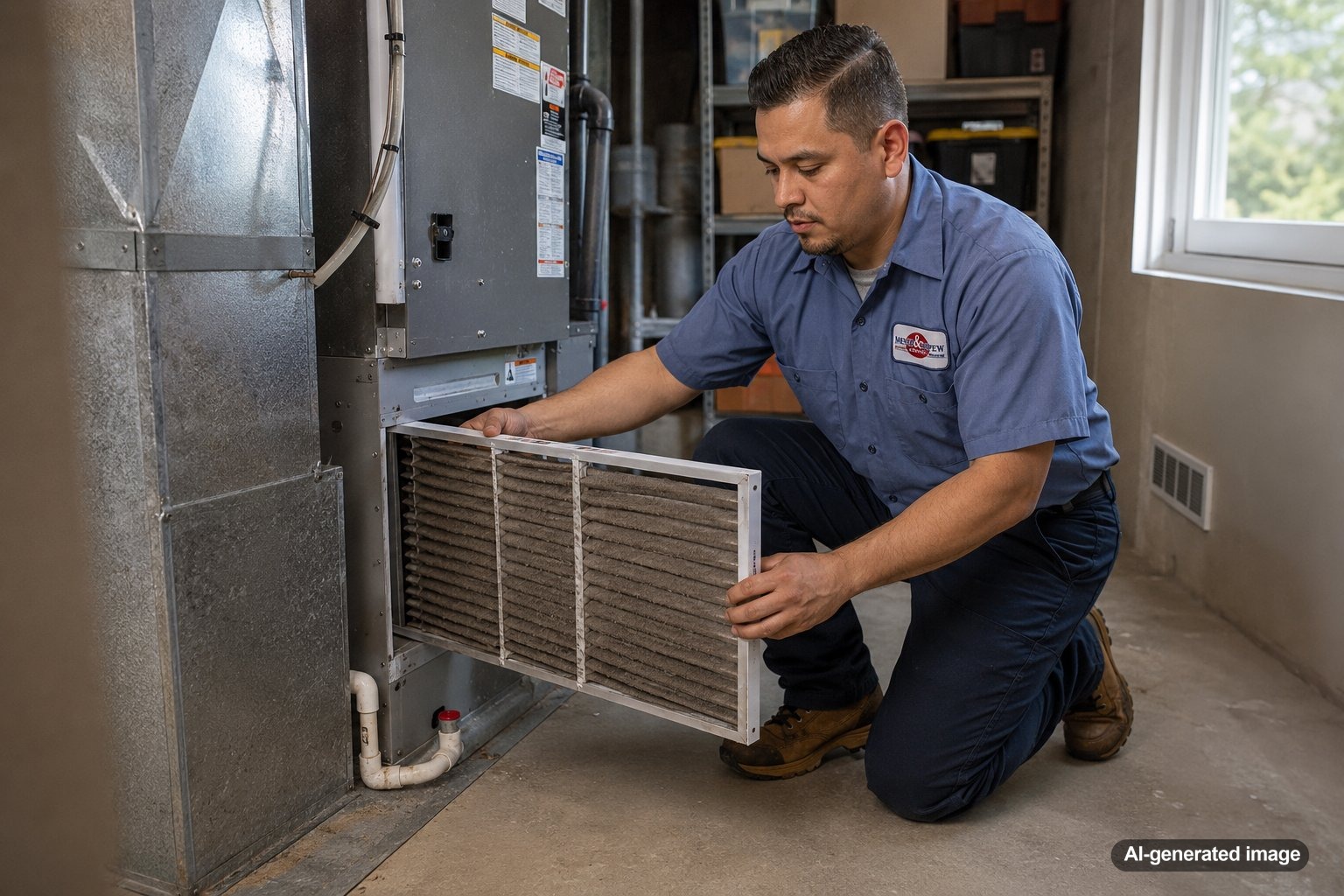
If your house feels dusty again a day or two after cleaning, the issue may not be your housekeeping. Dust can build up quickly when your home has poor airflow, clogged filters, leaky ducts, dry air, excess humidity, or an HVAC system that is moving particles around instead of helping control them.
In Central and Northern New Jersey, homes deal with pollen, road dust, seasonal humidity, older ductwork, pet dander, renovations, and long heating and cooling seasons. A clean home can still feel dusty when the air moving through it is not being filtered, balanced, or controlled well. Meyer & Depew helps homeowners evaluate comfort and air quality and comfort concerns that may be tied to the HVAC system.
Your house may stay dusty after cleaning because dust is being pulled in, stirred up, or recirculated. Common causes include a dirty or poor-fitting air filter, leaky ductwork, blocked returns, dry indoor air, high humidity, construction debris, pet dander, and HVAC equipment that needs maintenance.
Why dust comes back so quickly
Dust is a mix of tiny particles from inside and outside the home. It may include fabric fibers, skin flakes, pollen, soil, pet dander, hair, insulation particles, soot, and fine debris from everyday activity. Cleaning removes what has settled on surfaces, but it does not always fix the reason dust keeps landing there.
Your HVAC system matters because it moves large amounts of air through the home. When the system is working well, properly filtered air circulates more consistently. When something is off, the system can pull dusty air from basements, attics, wall cavities, returns, gaps around ducts, or rooms with poor filtration. That dust can then show up on furniture, floors, electronics, window sills, and supply vents.
1. Your air filter may be dirty, weak, or the wrong fit
A clogged filter can restrict airflow, while a low-quality or poorly fitted filter may allow more particles to pass through. If the filter does not sit snugly in the cabinet, air can slip around the filter instead of through it. That bypassed air can carry dust into the system and back into the living space.
Filter choice also matters. A filter that is too basic may not capture enough fine particles. A filter that is too restrictive for the equipment may reduce airflow and create other comfort problems. The right choice depends on the system design, ductwork, blower capacity, and indoor air quality goals.
Homeowners can safely check the filter, confirm it is installed in the correct direction, and replace it if it looks dirty. If dust continues despite regular filter changes, it may be time to have the system and filter setup evaluated through professional AC service and maintenance or heating maintenance, depending on the season.
2. Leaky or dirty ductwork can spread dust through the house
Duct issues are easy to overlook because much of the ductwork is hidden. If return ducts have gaps, loose connections, or openings near dusty areas, they may pull in air from unfinished basements, crawl spaces, attics, garages, or wall cavities. That dust can then move through supply vents and settle around the home.
Dust around supply registers does not automatically mean the duct system is the only problem, but it is a clue worth noticing. Dark streaking near vents, musty odors, uneven room temperatures, weak airflow, or rooms that get dusty faster than others can point to airflow or duct-related concerns.
A qualified HVAC technician can inspect visible duct sections, evaluate airflow, look for obvious leakage, and determine whether duct sealing, maintenance, filtration changes, or other improvements may help.
3. Your home may have too much or too little humidity
Humidity has a major effect on how dust behaves. When indoor air is very dry, dust can become lighter and more likely to float through the air. Dry winter air can also increase static, which makes dust cling to surfaces, screens, blinds, electronics, and baseboards.
High humidity can create a different problem. In humid New Jersey weather, moisture can make dust, pollen, and debris stick to surfaces. It can also contribute to musty odors and comfort complaints, especially in basements, older homes, or homes with poor ventilation.
Balanced humidity does not make a home dust-free, but it can make indoor comfort and air quality easier to manage. Depending on the home, options such as HVAC maintenance, ventilation improvements, humidifiers, dehumidification strategies, or air purification may be worth discussing.
4. Return vents and airflow patterns may be working against you
Return vents pull air back to the HVAC system. If returns are blocked by furniture, rugs, storage, or closed doors, airflow can become uneven. Rooms may feel stuffy, dusty, or harder to keep comfortable because air is not circulating properly.
Supply vents can also stir up dust when they blow across dirty floors, pet beds, curtains, or high-traffic areas. If a room has weak return airflow, dust may settle quickly instead of being carried back toward filtration.
- Make sure supply and return vents are open and not blocked.
- Replace or inspect the air filter if it is dirty.
- Check whether dust is worse near certain vents or rooms.
- Look for obvious debris around the outdoor unit if cooling is running.
- Avoid opening sealed HVAC panels or attempting electrical, refrigerant, or combustion repairs yourself.
5. Everyday sources may be adding more dust than you realize
Sometimes the HVAC system is only part of the story. Pets, fireplaces, candles, cooking, carpeting, upholstered furniture, open windows, renovation work, attic storage, and frequent foot traffic can all add particles to the home. Older homes may also have more gaps around windows, doors, basements, and attic access points that allow outdoor particles to enter.
New Jersey homes can see heavy pollen during spring, fine debris during dry stretches, and tracked-in particles during rainy or snowy weather. If windows are often open while the HVAC fan is running, outdoor particles can circulate throughout the home more quickly.
Simple habits can help, such as using walk-off mats, vacuuming with a quality filter, washing bedding regularly, keeping windows closed during high-pollen periods, and storing renovation materials away from return vents.
6. Your HVAC system may need maintenance
Dust problems often become more noticeable when an HVAC system has not been serviced in a while. A dirty blower compartment, restricted coil, clogged filter, weak airflow, or neglected maintenance can affect how well the system moves and filters air. These issues can also contribute to uneven comfort, longer run times, and more visible dust around vents.
Routine maintenance cannot prevent every dust problem or guarantee perfect indoor air quality, but it can help identify airflow restrictions, dirty components, and equipment conditions that may be contributing to the issue. A maintenance visit can also help determine whether the concern is tied to the equipment, ducts, filtration, ventilation, or the home itself.
For homeowners who want routine care on the calendar, Meyer & Depew offers residential service plans that can help make heating and cooling maintenance easier to manage.
When dust may point to a bigger indoor air quality issue
A dusty home is often more of a comfort and maintenance concern than an emergency, but some signs deserve closer attention. If dust is paired with musty odors, visible mold-like growth, excessive humidity, frequent respiratory irritation, soot, burning smells, or a sudden change after construction, flooding, or equipment work, it is wise to take the issue seriously.
If you smell gas, notice smoke, see sparks, suspect carbon monoxide, or smell an electrical burning odor, prioritize safety and contact the appropriate emergency service, utility, or qualified professional. Do not attempt to repair gas lines, electrical components, combustion parts, refrigerant systems, or sealed HVAC equipment yourself.
FAQ: Dusty homes and HVAC systems
Can a dirty air filter make my house dusty?
Yes. A dirty, low-quality, or poorly fitted air filter can allow more dust to circulate or reduce airflow enough to create comfort issues. If changing the filter does not help, the system may need a closer inspection.
Why is there dust around my air vents?
Dust around vents may come from normal airflow, dirty nearby surfaces, leaky ducts, poor filtration, or particles being pulled into the system. It is a clue, not a complete diagnosis.
Should I leave the HVAC fan on to reduce dust?
Running the fan continuously may help circulate air through the filter in some homes, but it can also increase energy use or move more particles around if filtration or ductwork is poor. A technician can help you decide what makes sense for your system.
Will an air purifier solve a dusty house?
An air purification system may help reduce certain airborne particles, but it will not fix every source of dust. Filtration, duct condition, humidity, ventilation, cleaning habits, and HVAC maintenance all play a role.
How often should I change my HVAC filter?
Many homes need filter changes every one to three months, but the right interval depends on pets, system use, filter type, household activity, and indoor air quality concerns. Check the filter regularly and follow equipment and filter guidance.
If your house is still dusty after cleaning, look beyond the surfaces. The real cause may be airflow, filtration, duct leakage, humidity, ventilation, or HVAC maintenance. Safe homeowner checks are a good start, but recurring dust is often worth a professional look.
Need help with your heating, cooling, or HVAC system?
Meyer & Depew serves homeowners and businesses throughout Central and Northern New Jersey.
Get a quote or call 908.272.2100.