

Why AC Installation Quality Matters as Much as the Equipment
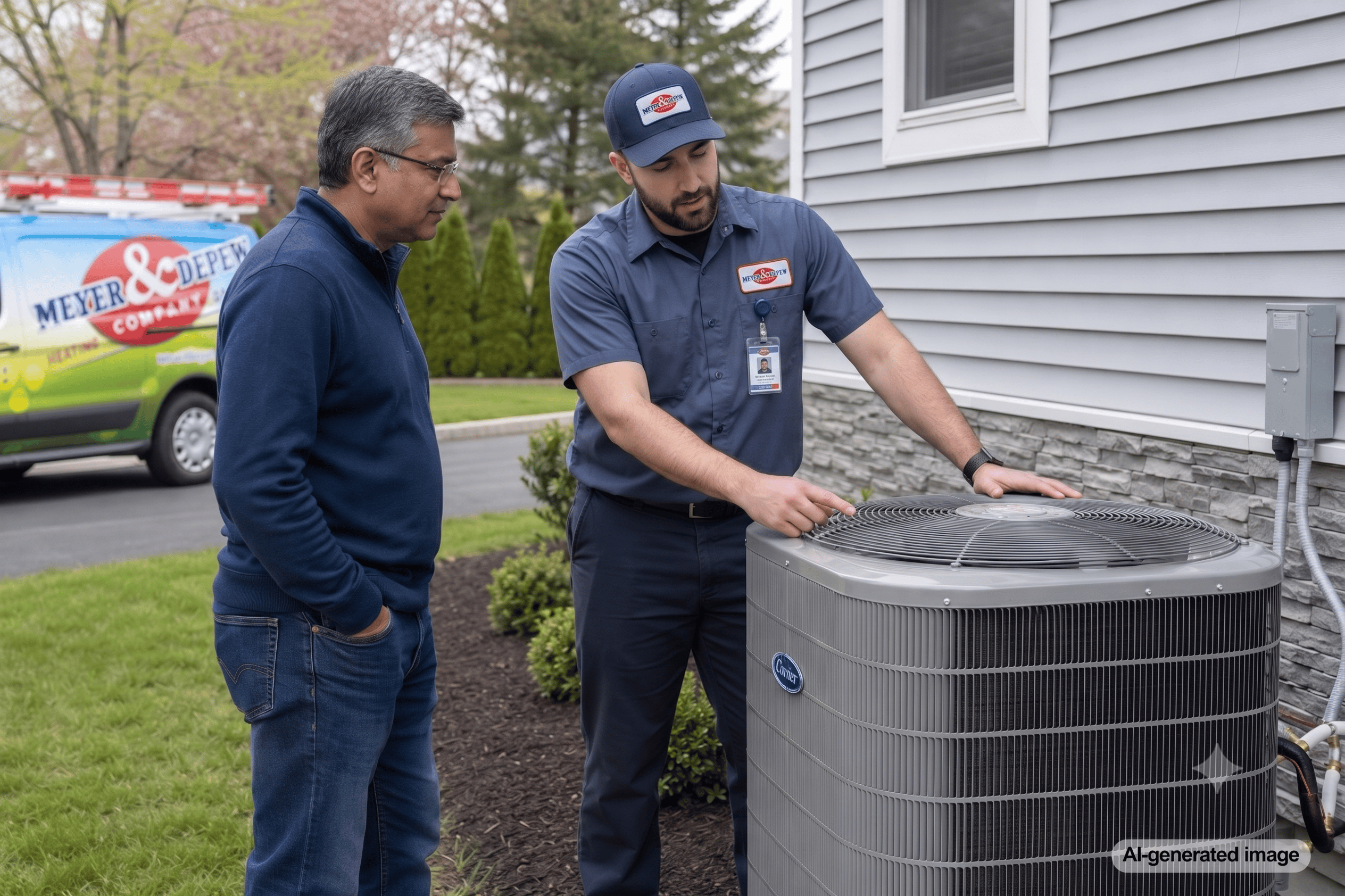
A new air conditioner is a major investment, but the equipment itself is only part of the result. The way that system is sized, connected, charged, tested, and adjusted can have just as much impact on comfort, efficiency, noise, humidity control, and long-term reliability as the brand or model you choose.
For homeowners in Central and Northern New Jersey, where summer heat and humidity can put cooling systems under real pressure, installation quality deserves careful attention. A high-efficiency AC system can still struggle if the ductwork, airflow, refrigerant charge, thermostat setup, or equipment match is not handled properly. If you are comparing options for AC installation and replacement, it helps to understand what good installation actually involves.
Quick answer:
AC installation quality matters because even excellent equipment can underperform when it is incorrectly sized, poorly connected, or not properly tested. A careful installation can help support better airflow, more even cooling, improved humidity control, quieter operation, and fewer avoidable service problems over time.
The equipment rating is not the whole story
Efficiency ratings are helpful, but they are measured under controlled conditions. A system’s real-world performance depends on how it works inside your home. If the indoor coil, outdoor unit, ductwork, refrigerant line set, thermostat, drainage, and electrical connections are not installed and commissioned correctly, the system may never deliver the comfort or efficiency you expected.
This is one reason two homes can have the same AC model and very different results. One system may cool evenly and quietly, while the other short cycles, leaves upstairs rooms warm, struggles with humidity, or needs repeated service visits. The difference is often not the box of equipment. It is the design and workmanship behind the installation.
Proper sizing affects comfort, humidity, and wear
One of the most important parts of AC installation is selecting the right size system for the home. Bigger is not automatically better. An oversized air conditioner may cool the temperature quickly but shut off before it has had enough time to remove moisture from the air. That can leave a home feeling clammy, especially during humid New Jersey weather.
An undersized system can run for long periods and still have trouble keeping up on hot afternoons. It may also place extra strain on components because the system is working hard without reaching the desired temperature. A qualified contractor should consider more than square footage. Important factors can include insulation, windows, sun exposure, duct condition, ceiling height, layout, additions, and the comfort issues you have noticed in the past.
Airflow problems can limit even the best AC system
Your air conditioner needs the right amount of air moving across the indoor coil and through the duct system. If airflow is restricted, poorly balanced, or mismatched to the new equipment, the system can lose efficiency and comfort. Rooms may cool unevenly, the system may run louder than expected, or the indoor coil may be more likely to develop problems under certain conditions.
Airflow issues can come from undersized ducts, dirty or restrictive filters, closed dampers, blocked returns, poor duct design, or installation choices that do not match the equipment’s requirements. This is why a strong installation process looks beyond the outdoor condenser and indoor unit. The contractor should evaluate how the whole cooling system will move air through the home.
Refrigerant charge and line set details matter
Modern AC systems are built to operate within specific refrigerant and pressure ranges. The refrigerant charge, line set condition, line sizing, and installation practices all affect performance. If refrigerant levels are not set correctly, the system may cool poorly, operate inefficiently, or experience added stress. Refrigerant work should always be handled by a qualified professional, not treated as a homeowner adjustment.
The line set also deserves attention. Depending on the existing system and the replacement equipment, a contractor may need to evaluate whether the current refrigerant lines are appropriate, clean, properly insulated, and compatible with the new system. These details are easy to overlook in a rushed installation, but they can affect reliability and comfort after the job is finished.
Ductwork and installation details influence daily comfort
Many comfort complaints after AC replacement are connected to the parts of the system that homeowners do not always see. Duct leakage, poor return air pathways, weak insulation, old registers, or uneven distribution can make a new system feel disappointing. In older New Jersey homes, additions, finished basements, and renovated spaces can also create cooling challenges if the ductwork was never updated for the current layout.
Installation quality includes recognizing those conditions before the new system is installed. Sometimes the right recommendation is not just a different AC model. It may include duct adjustments, better filtration planning, thermostat relocation, zoning options, or a discussion about whether zoning systems could help with room-by-room comfort concerns.
Good commissioning helps confirm the system is working correctly
Commissioning is the process of checking and testing the system after installation. This step helps confirm that the equipment is operating as intended before the job is considered complete. It may include checking airflow, temperature split, refrigerant conditions, electrical readings, drainage, thermostat operation, safety controls, and overall system performance.
Skipping or rushing this step can leave hidden issues behind. A system may turn on and blow cold air, but that does not automatically mean it is performing correctly. Careful testing helps catch problems early and gives the homeowner more confidence that the installation was completed properly.
Safe checks before and after installation:
- Ask how the contractor will determine the correct system size for your home.
- Discuss existing hot spots, humidity problems, noisy operation, or airflow issues before choosing equipment.
- Make sure supply and return vents are open and not blocked by furniture or rugs.
- Replace or inspect the air filter regularly after the new system is installed.
- Schedule professional service if the new system does not cool evenly, runs constantly, short cycles, leaks water, or makes unusual noises.
Low-quality installation can create expensive frustration
A rushed or poorly planned installation may not show every problem on the first day. Issues can appear later as high utility bills, uneven temperatures, repeated service calls, water drainage problems, excessive noise, or shortened equipment life. While no installation can guarantee that a system will never need repairs, careful workmanship can reduce the risk of avoidable problems.
This is especially important when replacing an older AC system. Newer equipment can be more sensitive to improper airflow, refrigerant charge, and installation conditions. Simply swapping boxes without evaluating the larger system may not solve the comfort issues that led you to replace the old equipment in the first place.
How to compare AC installation proposals
When reviewing proposals, do not look only at the equipment name and price. Ask what is included in the installation process. A strong proposal should be clear about the equipment being installed, what existing components will be reused or replaced, how the contractor will address thermostat setup, drainage, refrigerant lines, duct connections, permits when applicable, cleanup, and final system testing.
It is also reasonable to ask about experience, service support, and what happens if you notice comfort issues after installation. For many homeowners, choosing an established local HVAC contractor is as important as choosing the right equipment. Meyer & Depew has served Central and Northern New Jersey for decades, and that local experience can be valuable when evaluating homes with older ductwork, humidity concerns, additions, and mixed heating and cooling needs. You can also review feedback from other customers on the customer reviews page.
FAQ: AC installation quality
Can poor installation make a high-efficiency AC less efficient?
Yes. If the system is incorrectly sized, has airflow restrictions, is not charged properly, or is not tested carefully, it may not deliver the efficiency or comfort the equipment rating suggests.
Is a bigger AC system better for hot New Jersey summers?
Not necessarily. An oversized AC may cool the air quickly but fail to remove enough humidity. Proper sizing is about matching the system to the home, not simply choosing the largest unit available.
Should ductwork be checked before AC replacement?
Yes, it is often wise to evaluate ductwork before replacement. Duct restrictions, leaks, poor return air, or uneven distribution can limit the performance of a new system.
What should happen after a new AC system is installed?
The contractor should test the system, verify proper operation, check key performance measurements, confirm thermostat function, and review basic care instructions with the homeowner.
When should I call for service after a new installation?
Call for professional service if the system is not cooling evenly, runs constantly, short cycles, leaks water, makes unusual noises, or does not maintain the thermostat setting under normal conditions.
Bottom line:
The right AC equipment matters, but installation quality determines how well that equipment works in your home. Careful sizing, airflow evaluation, refrigerant work, duct connections, drainage, controls, and final testing all play a role in long-term comfort.
Thinking about replacing or upgrading your HVAC system?
Meyer & Depew can help you understand your options for comfort, efficiency, and long-term reliability in your New Jersey home or business.
Questions? Contact Meyer & Depew or call 908.272.2100.