



Does Low Refrigerant Always Mean There is a Leak?
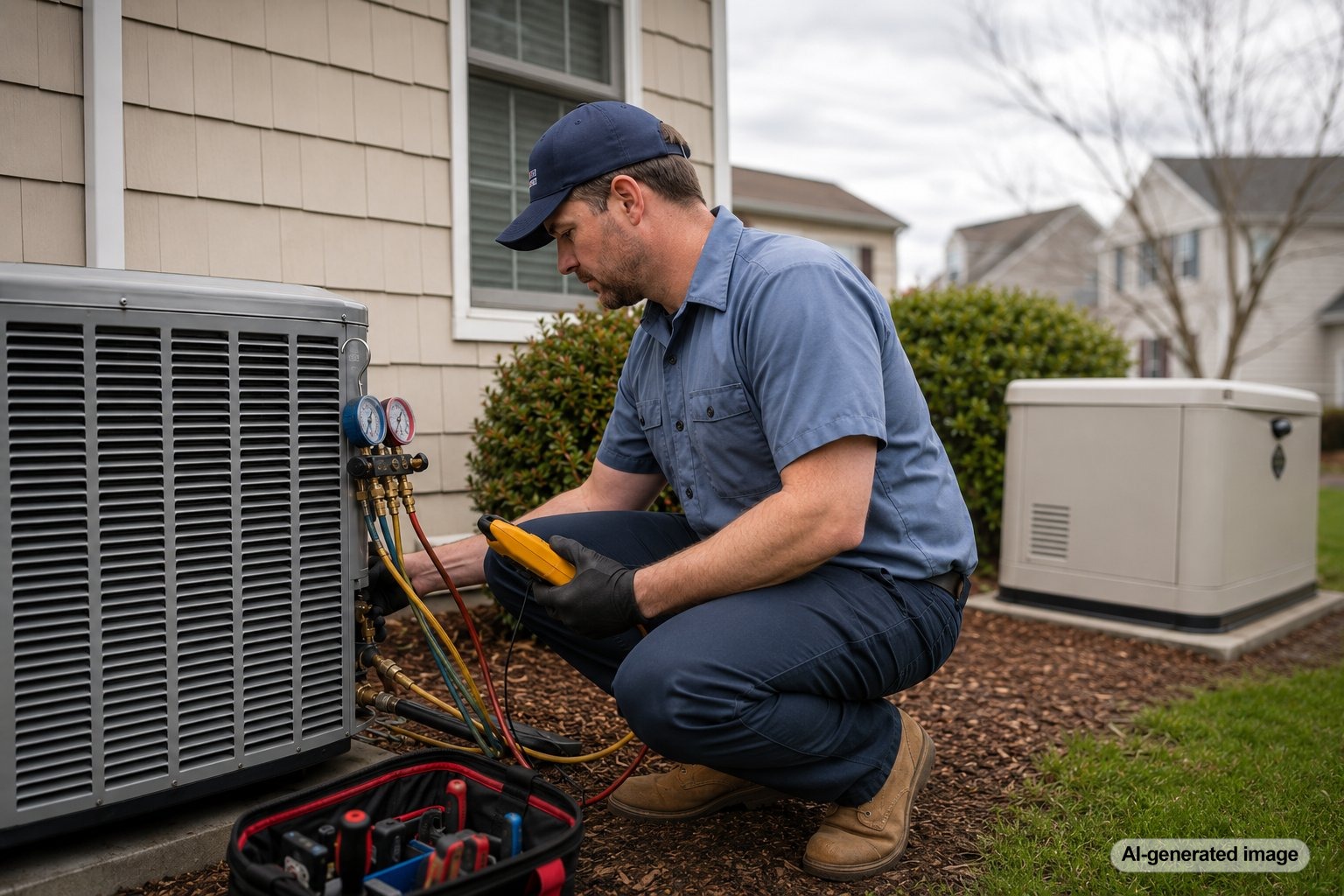
Low refrigerant in an AC system is not something to ignore, but it also should not be guessed at from symptoms alone. In most modern air conditioning systems, refrigerant does not get used up like gasoline, oil, or a filter. So when an AC system is truly low, a leak is often the reason. Still, the right answer depends on proper testing by a qualified HVAC technician.
For homeowners in Central and Northern New Jersey, low refrigerant questions usually come up when the AC is blowing warm air, running longer than normal, or struggling during hot, humid weather. If your system is not keeping up, scheduling AC service and maintenance is the safest way to find out whether refrigerant, airflow, electrical issues, or another problem is involved.
Low refrigerant usually means the system has lost refrigerant somewhere, and that often points to a leak. However, a technician should confirm the refrigerant charge, inspect the system, and look for other issues before calling it a leak. Poor airflow, a dirty coil, a failing component, or a previous incorrect charge can sometimes create symptoms that look similar.
Why Low Refrigerant Often Points To A Leak
An air conditioner is designed as a closed refrigerant circuit. Under normal conditions, refrigerant circulates through the indoor coil, outdoor coil, compressor, and refrigerant lines without being consumed. That means a properly installed and properly serviced system should not need refrigerant added every season.
When a technician confirms the system is low, the refrigerant had to go somewhere. Common leak points can include coil tubing, service valves, line-set connections, or older components that have developed corrosion or vibration-related wear. In coastal, humid, or older home environments, the age and condition of the equipment can also matter.
Adding refrigerant without understanding why it was low may temporarily improve cooling, but it does not solve the underlying issue. If the system has a leak, the refrigerant level can drop again, cooling performance may suffer, and the equipment may continue operating under stress.
When It Might Not Be A Simple Leak Diagnosis
Although low refrigerant is often connected to a leak, AC symptoms can overlap. A home with restricted airflow may feel like it has a refrigerant issue because the system cannot move enough air across the indoor coil. A clogged filter, blocked return, closed vents, dirty indoor coil, or blower problem can all affect cooling performance.
There is also a difference between a system that is truly low and a system that appears low based on incomplete information. Refrigerant readings depend on operating conditions, indoor and outdoor temperatures, airflow, and equipment type. A qualified technician looks at the broader picture rather than relying on one pressure reading.
In some cases, a previous service visit or installation issue may have left the system with an incorrect refrigerant charge. That is different from an active leak, but it still needs a professional evaluation because refrigerant handling requires proper tools, training, and certification.
Signs Your AC May Have A Refrigerant Problem
No single symptom proves that refrigerant is low, but several clues can point in that direction. Homeowners often notice weak cooling, longer run times, warm air from the vents, higher humidity indoors, or an AC that struggles more as outdoor temperatures rise.
- Ice forming on the refrigerant lines or indoor coil can be a warning sign, although airflow problems can also contribute.
- Hissing or bubbling near refrigerant lines or coils may suggest a leak, but the system should be inspected before any conclusion is made.
- Short cycling, poor dehumidification, or uneven comfort may indicate an AC performance problem that needs service.
- Repeated refrigerant additions are a strong reason to ask about leak testing and long-term repair options.
If your AC is freezing, blowing warm air, or losing cooling capacity, turn the system off if ice is present and avoid trying to add refrigerant yourself. Refrigerant systems are sealed, pressurized, and regulated, so this is not a safe DIY repair.
Safe Checks Before You Call
- Check that the thermostat is set to cooling and the temperature setting is lower than the indoor temperature.
- Inspect or replace a dirty air filter if it is safe and easy to access.
- Make sure supply and return vents are open and not blocked by furniture, rugs, or storage.
- Look for obvious leaves, grass, or debris around the outdoor unit without opening the equipment.
- Check the breaker once if it is safe to do so, but do not keep resetting a breaker that trips again.
These steps can help rule out simple airflow or power issues, but they do not replace a professional refrigerant diagnosis. If the problem continues after these basic checks, it is time to have the system evaluated.
Repair, Recharge, Or Replace?
The right next step depends on the age of the equipment, the size and location of the leak, the refrigerant type, the system condition, and the cost of repair compared with replacement. A small accessible leak on a newer system may lead to a different recommendation than a leaking coil on an older AC that has already needed repeated repairs.
For older systems, refrigerant availability and long-term reliability should be part of the discussion. A technician can explain whether leak repair, component replacement, or a new system is the more practical path. If replacement becomes the better long-term option, Meyer & Depew can help you review AC installation and replacement choices that fit your home, comfort needs, and efficiency goals.
For systems that are still in good overall condition, ongoing maintenance can help spot developing issues earlier. While maintenance cannot prevent every leak or breakdown, a routine visit can catch airflow restrictions, dirty coils, weak components, and operating conditions that deserve attention.
When To Call A Professional
Call a qualified HVAC professional when your AC is not cooling normally, ice forms on the system, refrigerant has been added before, or you hear unusual hissing near the equipment. You should also schedule service if your cooling problem keeps returning after filter changes or thermostat checks.
A proper visit may include temperature and airflow checks, coil inspection, refrigerant pressure and performance readings, electronic leak detection, dye testing where appropriate, and a review of the system’s age and repair history. The goal is not simply to add refrigerant. The goal is to understand what is happening and choose a responsible next step.
FAQ
Can refrigerant run low over time without a leak?
In a properly operating closed system, refrigerant should not gradually disappear through normal use. If the charge is truly low, a leak or previous charging issue should be considered and professionally evaluated.
Is it okay to just add refrigerant?
Sometimes refrigerant may be added as part of a proper service process, but adding refrigerant without investigating the cause can lead to repeat problems. If a leak exists, the system can lose refrigerant again.
Can low refrigerant damage my AC?
Low refrigerant can cause poor cooling and may contribute to equipment stress. Continuing to run a system that is freezing up or not cooling properly can make the problem worse, so professional service is recommended.
How do I know if I need repair or replacement?
Age, repair history, leak location, refrigerant type, efficiency, and overall system condition all matter. A newer system with a repairable issue may be worth fixing, while an older system with repeated refrigerant problems may be a better candidate for replacement.
Low refrigerant often means there is a leak, but the system needs a real diagnosis before decisions are made. The most helpful next step is to have a qualified HVAC technician confirm the charge, check airflow and system operation, and explain your repair or replacement options clearly.
Need help with your heating, cooling, or HVAC system?
Meyer & Depew serves homeowners and businesses throughout Central and Northern New Jersey.
Get a quote or call 908.272.2100.