

Why Preventive Maintenance Matters for Commercial HVAC Systems
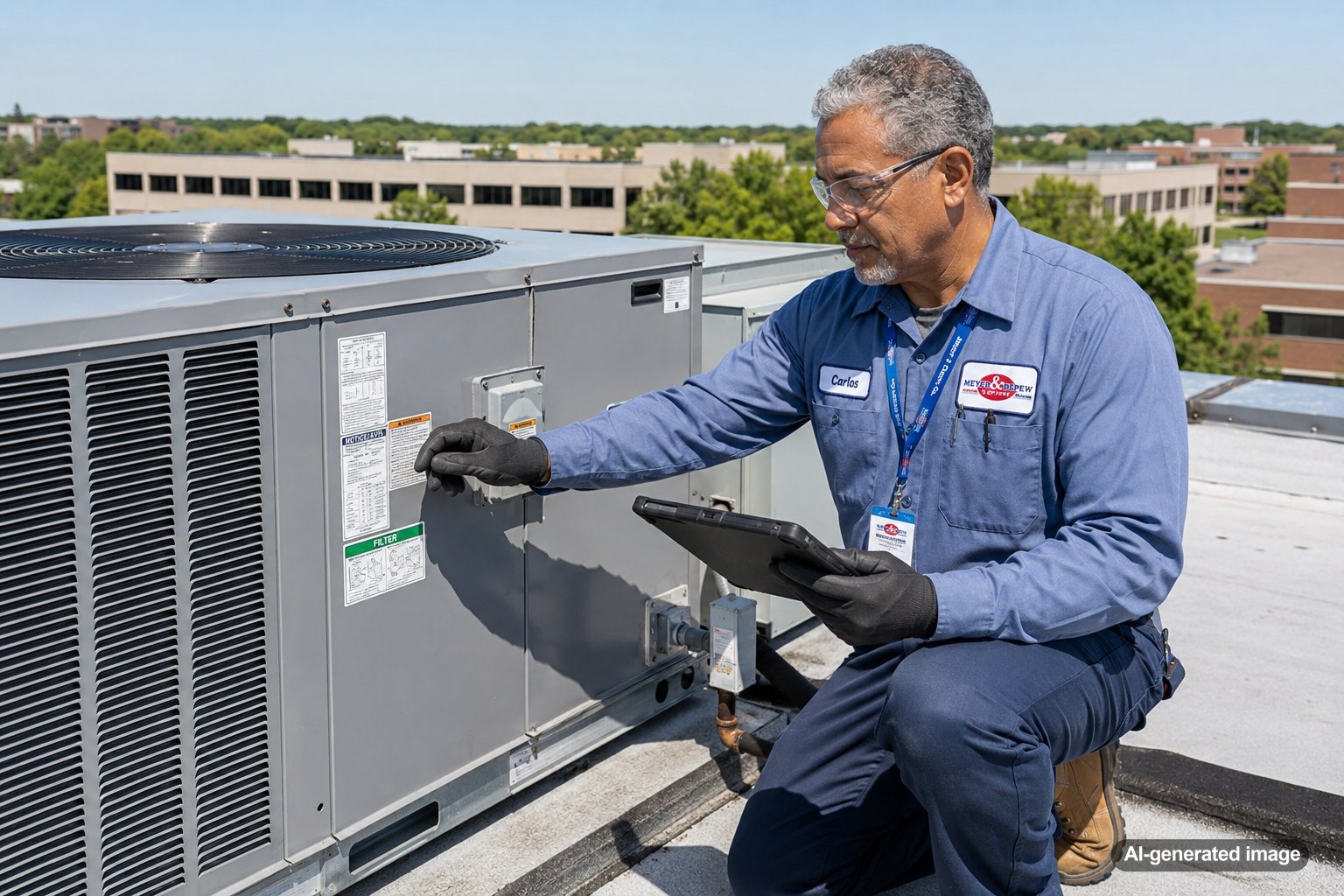
Commercial HVAC systems work hard year-round to keep offices, retail spaces, nonprofit facilities, and other buildings comfortable. Unlike residential equipment, commercial systems often operate for longer hours, serve larger spaces, and handle changing occupancy levels throughout the day. That constant demand can place significant stress on equipment if routine maintenance is overlooked.
Preventive maintenance helps facility managers and business owners identify developing issues before they become larger disruptions. A well-maintained system may operate more consistently, support occupant comfort, and reduce the likelihood of unexpected service calls during busy periods. Businesses throughout Central and Northern New Jersey often benefit from a structured maintenance approach rather than waiting for problems to appear.
For organizations looking to build a proactive strategy, a Commercial HVAC Maintenance Plan can help keep recommended inspections and service intervals on schedule.
Quick answer:
Preventive maintenance helps commercial HVAC systems operate more reliably, supports comfort, identifies wear before major failures occur, improves system performance, and helps businesses plan service needs more effectively.
How Preventive Maintenance Protects Commercial HVAC Equipment
Commercial HVAC systems contain many interconnected components, including motors, belts, coils, controls, filters, electrical connections, and airflow systems. Small issues in one area can affect performance throughout the entire system.
During routine maintenance visits, technicians can inspect key components, clean critical surfaces, verify system operation, and look for signs of wear. Addressing minor concerns early may help reduce the risk of larger repairs later.
Reducing Unexpected Downtime
An HVAC failure can create more than a comfort issue. In offices, it may affect employee productivity. In retail environments, it can impact customer experience. In nonprofit and community facilities, it may disrupt scheduled activities and services.
Preventive maintenance cannot eliminate every breakdown, but it can reduce the likelihood of certain avoidable failures by identifying loose electrical connections, airflow restrictions, worn belts, or other developing concerns before they worsen.
Improving System Performance
Restricted airflow, dirty coils, clogged filters, and improperly functioning controls can make commercial HVAC equipment work harder than necessary. Routine maintenance helps technicians identify these conditions and restore normal operation where appropriate.
Many commercial buildings also use specialized equipment such as Variable Refrigerant Flow (VRF) Systems or large rooftop units that benefit from regular inspections and performance evaluations.
Supporting Better Comfort Throughout The Building
Comfort complaints often begin long before the equipment completely fails. Uneven temperatures, inconsistent airflow, humidity concerns, and hot or cold zones can sometimes indicate maintenance-related issues.
Regular service gives technicians an opportunity to evaluate airflow patterns, thermostat performance, and system operation. For facilities with changing occupancy patterns, these reviews can be especially valuable.
Helping Business Owners Plan Ahead
Reactive repairs often occur at inconvenient times and can create budgeting challenges. Preventive maintenance allows businesses to gain a clearer understanding of system condition and potential future needs.
When aging equipment begins showing signs of increased wear, maintenance records can help inform repair-versus-replacement discussions. This allows property managers and business owners to make decisions based on equipment condition rather than emergency circumstances.
Common Issues Found During Commercial HVAC Maintenance
- Dirty or restricted air filters
- Coil contamination affecting heat transfer
- Worn belts and moving components
- Loose electrical connections
- Control and thermostat calibration concerns
- Drainage issues and moisture accumulation
- Airflow restrictions in occupied spaces
What Building Managers Can Monitor Between Visits
Safe checks before you call:
- Pay attention to unusual noises or comfort complaints.
- Watch for unexpected increases in energy usage.
- Check thermostat schedules and settings.
- Make sure vents and returns remain unobstructed.
- Look for obvious debris around outdoor equipment where safely accessible.
- Schedule professional service if concerns continue.
When To Call A Professional
If your commercial HVAC system experiences recurring comfort issues, short cycling, unusual noises, airflow problems, control failures, or repeated service calls, a qualified technician should evaluate the equipment.
Businesses should also seek professional assistance if they notice electrical burning smells, smoke, flooding around equipment, or other potentially unsafe conditions.
Frequently Asked Questions
How often should commercial HVAC systems be maintained?
Maintenance frequency depends on equipment type, operating hours, building usage, and manufacturer recommendations. Many commercial systems benefit from scheduled inspections throughout the year.
Does preventive maintenance eliminate all breakdowns?
No. Maintenance can reduce the risk of certain failures and identify developing issues, but it cannot guarantee that breakdowns will never occur.
Is preventive maintenance important for newer systems?
Yes. Newer equipment still experiences normal wear and may benefit from routine inspections, cleaning, and performance checks.
Can maintenance help with occupant comfort complaints?
In many cases, maintenance can uncover airflow, control, filtration, or operational issues that contribute to comfort concerns.
Need commercial HVAC support in New Jersey?
Meyer & Depew works with businesses, organizations, and commercial properties throughout Central and Northern New Jersey.
Learn more about commercial HVAC maintenance plans.