



How Service Plans Help Reduce Surprise HVAC Problems
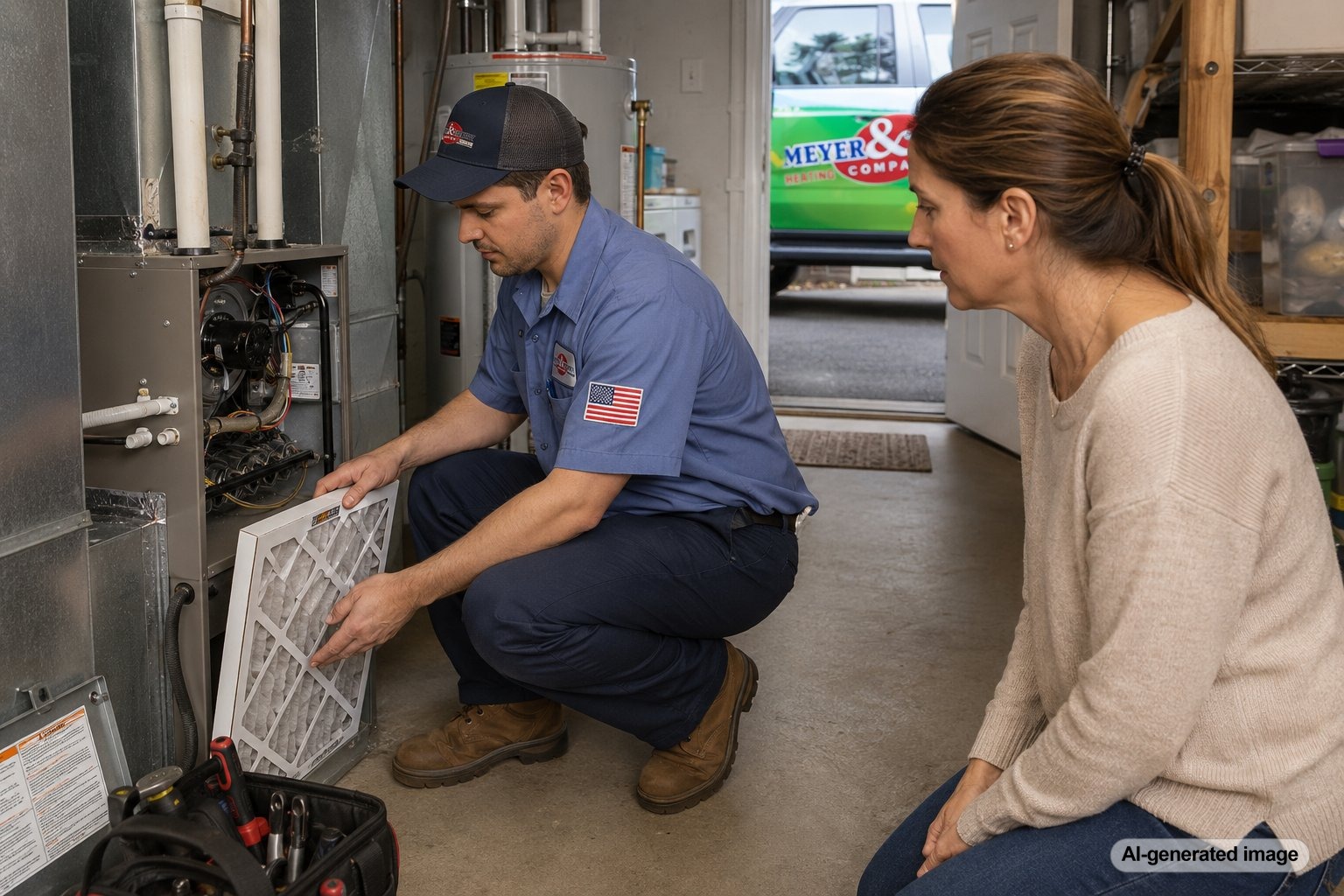
Surprise HVAC problems usually seem to happen at the worst possible time: during a sticky New Jersey heat wave, on the first cold night of the season, or right before guests, tenants, customers, or employees are counting on the building to feel comfortable. A service plan cannot prevent every repair, but it can help reduce the risk of unexpected heating and cooling issues by keeping maintenance on a regular schedule.
For many homeowners and property decision-makers, the biggest benefit is consistency. Instead of waiting until the AC stops cooling or the heating system starts making noise, a professional maintenance visit gives a qualified technician time to inspect, clean, test, and identify developing concerns. Meyer & Depew offers Service Plans designed to help make routine HVAC care easier to manage throughout Central and Northern New Jersey.
HVAC service plans help reduce surprise problems by scheduling routine maintenance before peak heating and cooling seasons, checking key system components, catching signs of wear early, supporting better airflow, and making it easier to stay ahead of small issues before they become more disruptive.
Why HVAC problems often feel sudden
Many heating and cooling problems do not actually begin suddenly. They build slowly. A clogged filter restricts airflow for weeks. Dust collects on components. A weak electrical part starts to struggle. A condensate drain begins to slow down. A thermostat, blower, outdoor unit, or safety control may show small warning signs before the system finally stops working as expected.
The trouble is that most of these issues are not obvious from the living room, office, or hallway. A system may still run while it is working harder than it should. By the time comfort changes become noticeable, the underlying issue may already be affecting performance, efficiency, or reliability. A service plan helps create regular opportunities for a technician to look deeper than the symptoms a property owner can see.
How a service plan can lower the risk of unexpected breakdowns
Routine HVAC maintenance is not a guarantee against every breakdown, especially when equipment is older or has a history of repair issues. Still, planned service can reduce the chance that common, preventable problems go unnoticed. During maintenance, a qualified technician can evaluate general system operation, inspect visible components, clean accessible areas, test performance, and look for conditions that may point to trouble ahead.
That matters in New Jersey because heating and cooling systems work through sharp seasonal swings. AC systems may sit unused during the winter, then face long run times during humid summer weather. Heating systems may be quiet through spring and summer, then be expected to run dependably during cold snaps. Service before those high-demand periods can help uncover issues before the equipment is under its heaviest seasonal load.
What technicians may find before it becomes a bigger problem
One of the most practical advantages of a service plan is early visibility. A maintenance visit may reveal conditions that are not yet emergencies but deserve attention. Examples can include restricted airflow, weak temperature split, unusual cycling patterns, dirty components, loose or worn parts, drain concerns, thermostat issues, or signs that equipment is aging into a repair-versus-replacement conversation.
For cooling systems, maintenance can help identify problems that may contribute to weak cooling, short cycling, poor humidity control, or uneven rooms. For heating systems, it can help spot operation concerns before the first stretch of cold weather turns a minor warning sign into a no-heat call. If you need help with cooling maintenance specifically, Meyer & Depew also provides AC Service and Maintenance for New Jersey homes.
Service plans help with timing, not just equipment
Many surprise HVAC problems happen because maintenance slips off the calendar. Homeowners and property managers are busy, and heating or cooling equipment is easy to ignore when it seems to be working. A service plan creates a more reliable rhythm for care, which can be especially helpful for households with older systems, homes with allergy or humidity concerns, businesses with occupancy demands, and properties where comfort disruptions create bigger headaches.
Timing also affects convenience. A planned visit during a shoulder season is usually less stressful than trying to schedule emergency service during peak heat or cold. It gives you a clearer picture of your system before the weather changes, and it can help you make better decisions about repairs, replacement planning, or comfort upgrades without being rushed by an immediate breakdown.
Safe checks homeowners can still do between visits
A service plan does not replace basic awareness between professional visits. Property owners can still pay attention to small comfort changes and do a few simple checks that do not involve opening equipment, touching electrical components, adjusting gas parts, or working with refrigerant.
- Check that the thermostat is set correctly and has fresh batteries if needed.
- Inspect or replace the air filter if it appears dirty or clogged.
- Make sure supply and return vents are open and not blocked by furniture, rugs, or storage.
- Look for obvious leaves, grass, or debris around the outdoor unit while keeping clear of moving parts.
- Check whether the breaker has tripped once, only if it is safe to do so.
If the issue continues, or if you notice burning smells, smoke, sparks, gas odors, carbon monoxide concerns, flooding around equipment, or other unsafe conditions, prioritize safety and contact the appropriate emergency service, utility, or a qualified professional.
Why service plans are especially useful for older systems
As HVAC equipment ages, regular maintenance becomes even more valuable. Older systems may still have useful life left, but worn parts, reduced efficiency, airflow issues, and repeated repairs can become more common. A service plan gives you a clearer maintenance history and a better sense of whether the system is still a good candidate for repair or whether planning ahead for replacement may be more practical.
This does not mean every older system needs to be replaced. Some equipment can continue operating with proper care. The point is to avoid being surprised by a major decision when the system fails during extreme weather. Regular service can help you understand the condition of the equipment before comfort, budget, and timing all collide.
Service plans can support comfort across the whole home
Not every HVAC complaint is a total breakdown. Some of the most frustrating problems are uneven rooms, weak airflow, frequent cycling, high humidity, dry winter air, or a system that runs but never seems to make the house feel right. During planned maintenance, those patterns can be discussed and evaluated instead of being dismissed as normal.
Sometimes the issue is maintenance-related, such as a dirty filter or airflow restriction. Other times, it may involve duct design, thermostat placement, zoning needs, equipment sizing, or indoor air quality concerns. When comfort issues are recurring, a maintenance visit can be a useful starting point for understanding whether routine service, a repair, or a larger comfort solution should be considered.
FAQ: HVAC service plans and surprise problems
Can a service plan prevent every HVAC breakdown?
No. No service plan can guarantee that a heating or cooling system will never fail. Parts can wear out, older equipment can develop problems, and severe weather can put extra strain on the system. A service plan can help reduce risk by keeping maintenance consistent and giving technicians regular opportunities to identify concerns.
How often should HVAC maintenance be scheduled?
Many homes benefit from routine heating and cooling maintenance before the major seasons of use. The right schedule can depend on the type of equipment, age, usage, indoor air quality needs, pets, filter conditions, and whether the property is residential or commercial.
Is a service plan worth it if my system is newer?
Often, yes. Newer systems still need regular care to support proper operation. Maintenance can help keep airflow, drainage, controls, and performance in better condition, and it creates a record of professional service over time.
Should businesses consider HVAC maintenance plans too?
Yes. Commercial properties often have longer run times, more occupants, different ventilation needs, and greater consequences when comfort is interrupted. Businesses, property managers, and facility managers may benefit from structured maintenance through a Commercial HVAC Maintenance Plan.
What should I do if my system is already acting up?
If your heating or cooling system is making unusual noises, not keeping up, short cycling, leaking, or causing comfort concerns, schedule professional service. A maintenance plan is helpful for routine care, but active problems should be evaluated by a qualified technician.
Service plans work because they make HVAC care less reactive. They give your heating and cooling system scheduled attention, help identify small concerns earlier, and make it easier to prepare for New Jersey’s heavy heating and cooling seasons with fewer surprises.
Want to make HVAC maintenance easier to stay on top of?
A service plan can help keep routine heating and cooling maintenance on your calendar before small issues become bigger headaches.
You can also request a service appointment.