

How Power Surges Can Damage Your Home’s HVAC System
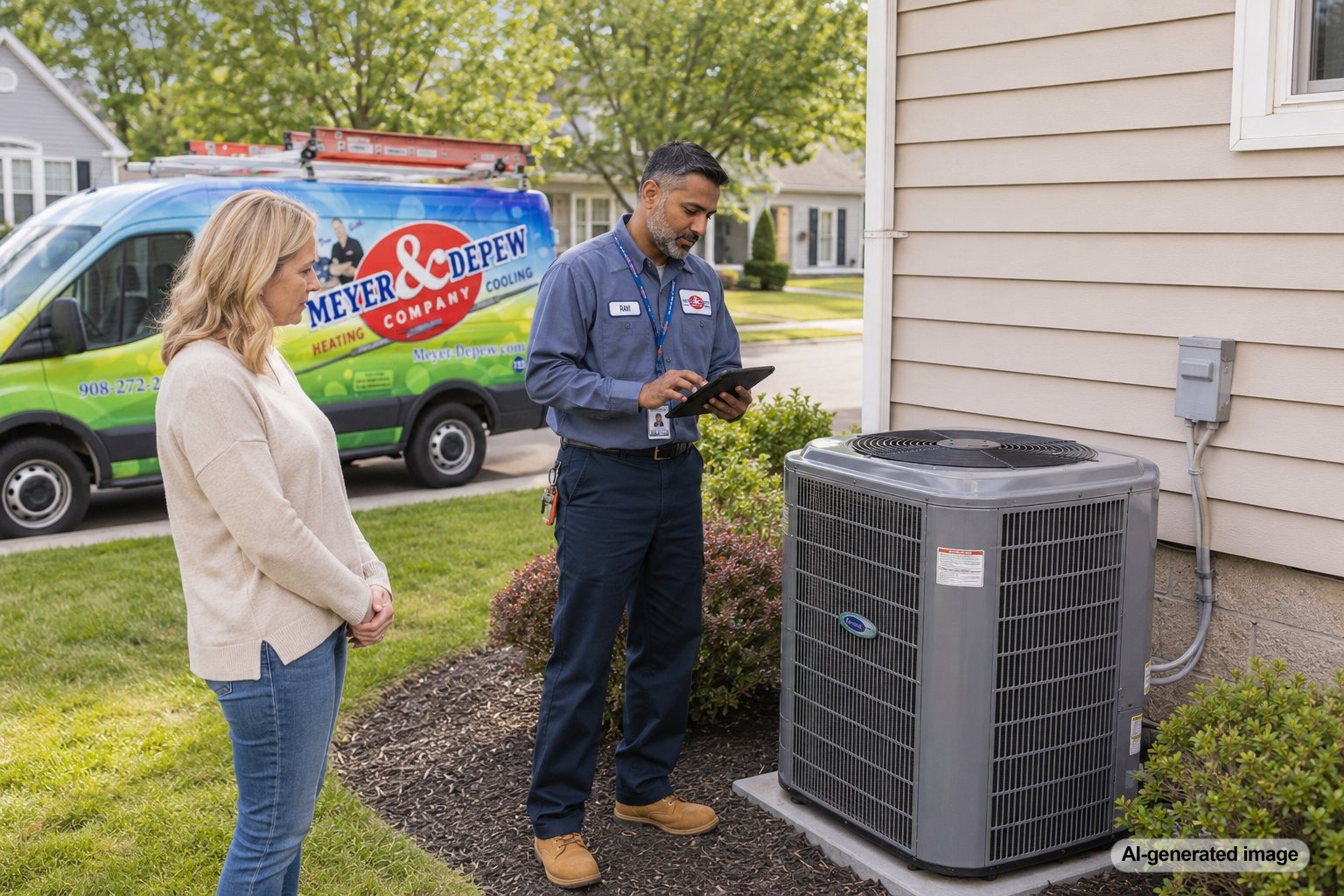
A power surge can be over in a fraction of a second, but the damage it leaves behind may affect your heating and cooling system long after the lights come back on. For homeowners in Central and Northern New Jersey, surges can happen during thunderstorms, utility grid changes, outage restoration, or when large appliances cycle on and off. Your HVAC system contains sensitive electrical parts, motors, control boards, and compressor components that can be affected by sudden voltage spikes.
Not every surge causes obvious failure right away. Sometimes the system stops working immediately, but other times the damage shows up as short cycling, strange operation, weak cooling, no heat, or repeated electrical issues. If your system has acted differently after a storm or outage, scheduling professional HVAC service can help identify whether the problem is electrical, mechanical, or related to normal equipment wear.
Power surges can damage an HVAC system by overwhelming sensitive electrical components, including control boards, capacitors, contactors, motors, thermostats, and compressor wiring. The result may be immediate failure, intermittent operation, reduced reliability, or hidden damage that becomes more noticeable during heavy heating or cooling demand.
What Is A Power Surge?
A power surge is a sudden increase in electrical voltage moving through your home’s wiring. Some surges are large and obvious, such as those associated with lightning or outage restoration. Others are smaller and may happen inside the home when equipment with high electrical demand starts up or shuts down.
Your HVAC system is especially vulnerable because it uses both high-voltage power for major components and lower-voltage controls for communication and operation. A central AC system, furnace, air handler, heat pump, thermostat, and zoning equipment all rely on electrical parts working in the right sequence. When voltage spikes, those parts may be stressed beyond what they were designed to handle.
HVAC Parts That Can Be Damaged By A Surge
Power surge damage is not always limited to one part. A surge may affect the component closest to the electrical path, or it may weaken several parts at once. Commonly affected HVAC components include:
- Control boards: These boards act like the system’s decision center. A surge can damage circuits, relays, or communication points.
- Capacitors: Capacitors help motors start and run properly. Surge stress can cause them to fail or become unreliable.
- Contactors and relays: These parts help send power to major components. Damage can prevent equipment from starting or shutting off correctly.
- Blower and condenser fan motors: Electrical stress can affect motor windings and lead to overheating or poor operation.
- Compressors: The compressor is one of the most important and expensive parts of an AC or heat pump system. Surge damage may cause immediate failure or contribute to future problems.
- Thermostats and zoning controls: Sensitive low-voltage controls can be affected, especially when a surge travels through wiring connected to the HVAC system.
Because several symptoms can look similar from the outside, it is important not to assume the failed part is the only issue. A qualified technician can test the system safely and look for related damage before recommending a repair.
Why Storms And Outages Create Extra Risk In New Jersey
New Jersey homes and businesses often see heavy HVAC use during summer heat, winter cold, and humid shoulder seasons. That means electrical stress can already be high when a storm, outage, or utility fluctuation occurs. When power shuts off and comes back on, HVAC equipment may restart under less-than-ideal conditions, especially if the thermostat is still calling for heating or cooling.
Lightning does not have to strike your house directly to create a problem. Nearby strikes and utility-side issues can send voltage changes through electrical lines. Older homes, aging panels, outdated wiring, and systems without proper protective devices may be more vulnerable. Commercial properties can also face risk because rooftop units, controls, and building automation components often depend on stable electrical service.
Warning Signs After A Power Surge
After a storm or outage, pay attention to changes in how your HVAC system behaves. A surge-related issue may be obvious, but it can also look like a normal service problem. Common warning signs include:
- The AC, heat pump, furnace, or air handler will not turn on.
- The thermostat is blank, flickering, or not communicating with the system.
- The system starts, stops, and starts again in short cycles.
- You hear buzzing, humming, clicking, or unusual electrical sounds.
- The breaker trips again after being reset once.
- Airflow seems weak even though the system is running.
- The outdoor unit does not start while the indoor fan runs.
- Cooling or heating performance changed noticeably after the outage.
If you notice smoke, sparks, a burning electrical smell, or repeated breaker trips, do not continue trying to run the system. Prioritize safety and contact a qualified professional.
- Check the thermostat settings and make sure it has power.
- Replace or inspect the air filter if airflow seems weak.
- Make sure supply and return vents are open and not blocked.
- Look for obvious debris around the outdoor unit after a storm.
- Check whether the breaker has tripped once, if it is safe to do so.
- Schedule professional service if the issue continues or the breaker trips again.
Why Surge Damage Can Be Hard To Spot
One of the most frustrating parts of surge damage is that it may not create a clean, immediate breakdown. A control board may still function but behave unpredictably. A capacitor may weaken and fail later during a hot afternoon. A motor may run after the outage but overheat under heavier demand. That delay can make it difficult for homeowners to connect the problem to the original surge.
There is also a difference between a single dramatic surge and repeated smaller voltage events. Frequent minor electrical stress can shorten the useful life of sensitive parts over time. If your home experiences regular outages, blinking lights, or storm-related electrical interruptions, it may be worth discussing HVAC surge protection and electrical evaluation with qualified professionals.
Can Surge Protection Help?
Surge protection may help reduce the risk of damage, but it should not be viewed as a guarantee against every electrical event. Whole-home surge protection, dedicated HVAC surge devices, proper grounding, and professional installation can all play a role in limiting voltage spikes before they reach sensitive HVAC components.
Homeowners who are already thinking about outage preparedness may also want to learn about home generators. A properly selected and installed generator can help keep essential systems powered during outages, but generator installation, transfer switches, load management, and HVAC compatibility should always be handled by qualified professionals.
When To Call A Professional
Call for professional HVAC service if your system will not restart after an outage, the thermostat is blank, the breaker trips repeatedly, the outdoor unit is silent, or the system sounds unusual. You should also schedule service if the system technically runs but no longer cools or heats the way it did before the storm.
A technician can safely test electrical components, check low-voltage controls, evaluate the thermostat, inspect the outdoor unit, and determine whether the issue is isolated or part of a larger electrical problem. For recurring maintenance and system checks, a service plan can help keep routine HVAC care on the calendar and may help catch developing issues before peak-season demand.
FAQ: Power Surges And HVAC Systems
Can a power surge ruin an AC compressor?
Yes, a significant surge may damage an AC or heat pump compressor, especially if the surge affects wiring, contactors, capacitors, or internal electrical components. A technician should evaluate the system before assuming the compressor is the only damaged part.
Should I reset the breaker if my HVAC system stops after an outage?
If it is safe to do so, you may check whether the breaker has tripped and reset it once. If it trips again, do not keep resetting it. Repeated breaker trips can indicate an electrical or equipment problem that needs professional attention.
Can a thermostat be damaged by a surge?
Yes. Thermostats and control wiring can be affected by voltage spikes, especially in systems with smart thermostats, zoning controls, or communicating equipment. A blank or unresponsive thermostat after an outage should be checked carefully.
Does homeowners insurance cover HVAC surge damage?
Coverage depends on the policy, cause of loss, documentation, and insurer requirements. If you suspect surge damage, document what happened, avoid unsafe troubleshooting, and contact both your HVAC professional and insurance provider for guidance.
Is HVAC surge protection worth discussing?
For many homes, especially those with frequent storms, outages, or sensitive HVAC controls, surge protection is worth discussing with qualified professionals. It may reduce risk, although no device can promise complete protection from every event.
Power surges can affect far more than lights and outlets. Your HVAC system depends on sensitive controls, motors, and electrical components, so unusual operation after a storm or outage should be taken seriously and checked safely.
Need help with your heating, cooling, or HVAC system?
Meyer & Depew serves homeowners and businesses throughout Central and Northern New Jersey.
Get a quote or call 908.272.2100.