



How to Know If Your Home Needs a Second AC Zone
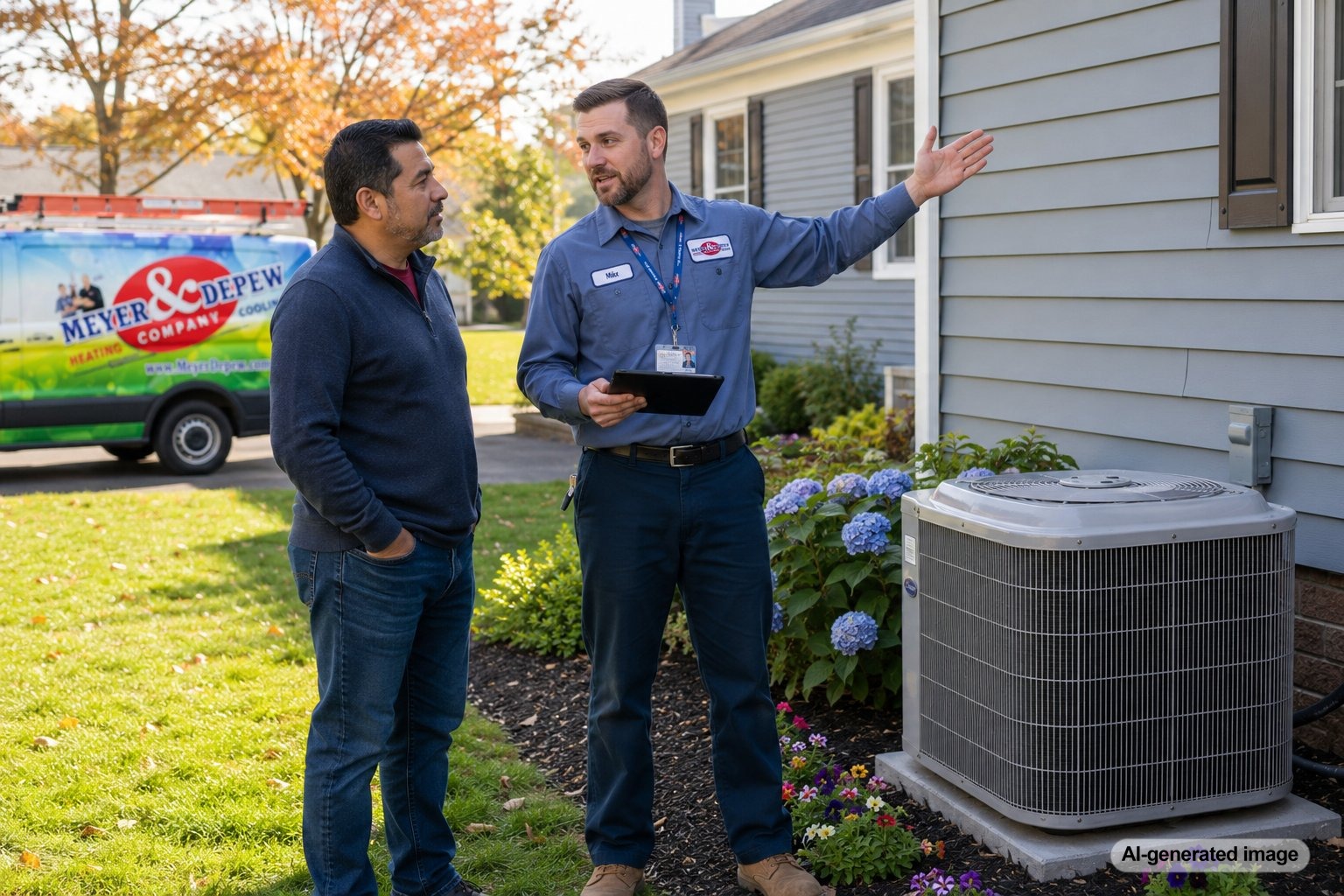
Your home may need a second AC zone if one area is consistently comfortable while another stays too warm, too humid, or difficult to control. In many Central and Northern New Jersey homes, especially multi-level homes, additions, older houses, and homes with large sun-facing rooms, one thermostat cannot always represent what the entire home is experiencing.
A second AC zone allows different areas of the home to be controlled more independently, often by using zoning dampers, separate thermostats, or in some cases a separate system such as a ductless mini split. The right solution depends on your ductwork, equipment, layout, insulation, and comfort goals. Meyer & Depew can evaluate whether a zoning system, thermostat upgrade, ductwork adjustment, or equipment change is the better fit.
Your home may benefit from a second AC zone if upstairs rooms run several degrees warmer than downstairs rooms, bedrooms are uncomfortable at night, an addition never cools like the rest of the house, one thermostat leads to overcooling some rooms, or your AC runs constantly while certain areas still feel stuffy.
What a second AC zone actually does
A second AC zone divides your home into separate comfort areas so cooling can be directed more precisely. Instead of one thermostat trying to manage every bedroom, hallway, living space, and finished room at the same time, each zone can call for cooling based on the temperature in that part of the house.
In many homes, zoning is created with motorized dampers inside the duct system, paired with multiple thermostats or controls. When one zone needs cooling, the system can send more conditioned air to that area while limiting airflow to zones that are already comfortable. In other homes, a separate ductless system may make more sense, especially for additions, finished attics, garages converted to living space, or rooms that were never served well by the original ductwork.
The goal is not to make every room identical at all times. The goal is better control, fewer uncomfortable swings, and a system design that matches how the home is actually used.
Signs your home may need a second AC zone
Upstairs rooms are much warmer than downstairs rooms
Warm air rises, and second floors often gain more heat from the roof, attic, and sun exposure. If your downstairs living room feels cool while upstairs bedrooms stay warm long after sunset, one thermostat on the first floor may be shutting the AC off before the upper level is comfortable.
Some rooms are overcooled just to make other rooms livable
If you regularly lower the thermostat to cool one stubborn area, but the rest of the house becomes chilly, the system is not matching the home’s comfort pattern. This can happen in homes with long duct runs, uneven sun exposure, large windows, or rooms above garages.
An addition or finished space never feels right
Additions, finished basements, finished attics, sunrooms, and bonus rooms are common trouble spots. These spaces may have been added after the original HVAC system was designed, so the existing ductwork and equipment may not distribute air evenly enough for that new load.
Bedroom comfort is a recurring problem at night
Nighttime comfort issues are a strong clue because many families use the home differently after dark. Bedrooms may need more cooling while the main living areas are empty. A second zone can sometimes help the occupied part of the home receive cooling when it matters most.
Your thermostat is in the wrong place for how you live
A thermostat in a hallway, near a draft, close to a sunny wall, or far from the rooms you care about most may not reflect actual comfort. In some homes, a thermostat upgrade can help. In others, multiple zones provide better control because the temperature difference is too large for one control point to manage well.
When zoning may not be the first fix
A second AC zone can be helpful, but it is not the answer to every uneven cooling problem. Before recommending zoning, a qualified technician should consider airflow, duct condition, filter restriction, insulation, attic heat, return air, equipment size, and system performance.
For example, a clogged filter or blocked return can reduce airflow throughout the system. Leaky or poorly insulated ductwork can lose cooling before it reaches distant rooms. An AC system that is oversized may cool quickly without removing enough humidity, while an undersized or aging system may struggle during long New Jersey heat and humidity. These problems need to be understood before adding controls.
- Check that the thermostat is set correctly and not being affected by direct sunlight or nearby heat sources.
- Inspect or replace the air filter if it is dirty.
- Make sure supply and return vents are open and not blocked by furniture, rugs, or curtains.
- Look for obvious debris around the outdoor unit.
- Note which rooms are uncomfortable, what time of day it happens, and whether doors are usually open or closed.
Zoning systems, ductless systems, and thermostat options
If your existing ductwork is suitable, a zoned HVAC system may be a practical way to create separate control for upstairs and downstairs areas or for distinct sections of the home. This approach often works best when the duct layout can be divided logically and the equipment can operate safely with zone dampers.
If one problem room is difficult to serve with existing ducts, ductless mini split systems may be worth discussing. A ductless system can provide targeted cooling and heating for specific spaces without relying on the home’s original duct design.
Smart thermostats and other thermostat upgrades can also improve scheduling, visibility, and control. However, a thermostat alone cannot overcome major ductwork limitations or a home layout that needs separate comfort zones. That is why a proper evaluation matters.
What a professional should evaluate
A qualified HVAC professional should look at more than the rooms that feel warm. The evaluation should include how air moves through the home, how the ductwork is arranged, whether returns are adequate, how the existing AC system performs, and whether the home has changed since the equipment was installed.
Important details include the temperature difference between floors, the size and exposure of uncomfortable rooms, the location of the thermostat, attic insulation, duct accessibility, system age, humidity complaints, and whether the current AC is short cycling or running for unusually long periods. These clues help determine whether zoning is appropriate or whether another solution should come first.
FAQ: second AC zones
Can any home add a second AC zone?
Not always. Some duct systems are easier to zone than others. The equipment must also be able to operate properly with zone controls. A technician can evaluate whether zoning is practical or whether another approach is safer and more effective.
Will a second AC zone lower my energy bills?
It may help reduce waste in some homes, especially when it prevents overcooling unused areas, but savings are not guaranteed. Comfort, airflow, equipment condition, duct design, and household habits all affect energy use.
Is a second AC zone the same as having two AC systems?
No. A zoning system often uses one HVAC system with dampers and multiple thermostats. Two separate systems use separate equipment. Some homes benefit from zoning, some from a separate system, and some from targeted ductless equipment.
Can zoning fix one room that is always hot?
Sometimes, but not always. A single hot room could be caused by duct leakage, poor insulation, solar heat gain, a closed or blocked vent, lack of return air, or an addition that was not designed for the original system. The cause should be checked before choosing a solution.
When should I schedule an evaluation?
Schedule service if uneven cooling is persistent, getting worse, or causing you to overcool the rest of the house. It is also wise to have the system checked if airflow seems weak, humidity feels high, or your AC runs constantly without keeping certain areas comfortable.
A second AC zone is worth considering when your home has consistent, pattern-based comfort differences that one thermostat cannot manage. The best next step is to identify whether the issue comes from layout, airflow, ductwork, equipment performance, or the need for more independent control.
Thinking about replacing or upgrading your HVAC system?
Meyer & Depew can help you understand your options for comfort, efficiency, and long-term reliability in your New Jersey home or business.
Questions? Contact Meyer & Depew or call 908.272.2100.