



What Is an AC Contactor and Why Can It Fail?
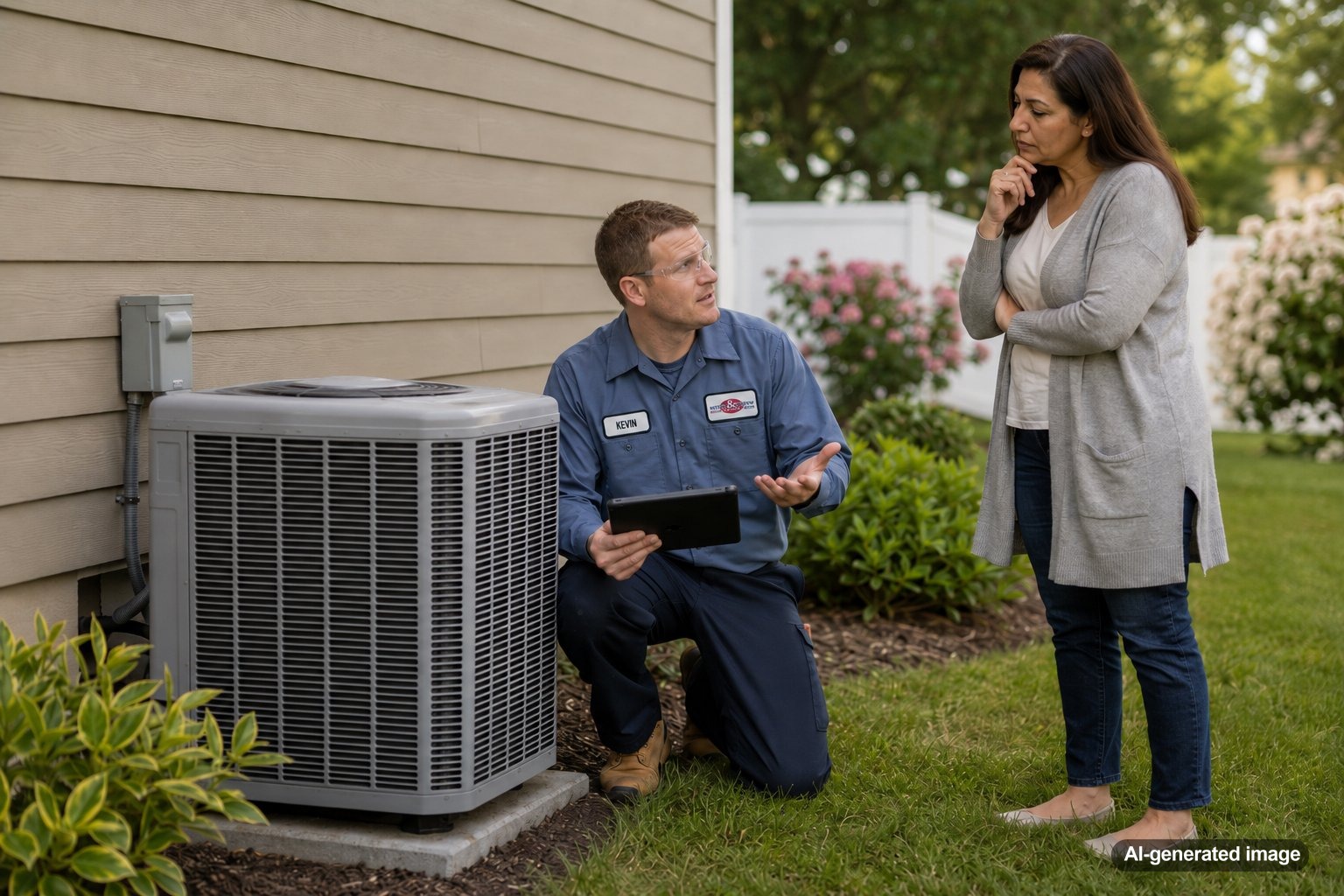
An AC contactor is a small electrical part inside your air conditioning system, but it has a major job: it helps send power to the outdoor unit when your thermostat calls for cooling. When it works properly, you probably never think about it. When it fails, your AC may stop running, run inconsistently, or struggle to start during the hottest parts of a New Jersey summer.
Because a contactor handles high-voltage electricity, it is not a part homeowners should open, bypass, or attempt to replace on their own. Still, understanding what it does can help you recognize when something may be wrong and know when to schedule professional AC service and maintenance.
An AC contactor is an electrical switch that allows power to flow to key cooling components, usually the outdoor condenser and compressor, when the thermostat requests cooling. It can fail because of electrical wear, heat, pitting, dirt, insects, moisture, loose connections, or normal aging. A failed contactor often causes an AC system to stop starting, short cycle, hum, or run unreliably.
What Does an AC Contactor Do?
In simple terms, the AC contactor acts like a controlled gate for electricity. Your thermostat sends a low-voltage signal when the indoor temperature rises above the set point. That signal tells the contactor to close, which allows high-voltage power to reach the outdoor unit so the compressor and condenser fan can operate.
When the thermostat is satisfied, the signal stops, the contactor opens, and power to those components is interrupted. This cycle can happen many times on a hot day, especially when humidity is high, windows are opened frequently, or the system is working hard to cool a larger home or commercial space.
That repeated opening and closing is why the contactor is considered a wear item. It is designed for this job, but it still experiences electrical stress every time your AC starts and stops.
Why Can an AC Contactor Fail?
AC contactor failure usually does not come from one single dramatic event. More often, it develops from a combination of age, heat, electrical arcing, and exposure to outdoor conditions. Since the contactor is commonly located in the outdoor unit, it operates in an environment that may include summer heat, moisture, pollen, insects, leaves, and storm debris.
One common issue is pitting on the contact points. Each time the contactor closes, a small electrical arc can occur. Over time, those surfaces may become worn, uneven, or burned. If the contacts can no longer make a clean connection, the outdoor unit may not receive power consistently.
Another issue is a stuck contactor. In some cases, contacts can weld together or stick in one position. If that happens, the outdoor unit may continue running when it should shut off, or it may fail to start when cooling is needed. Either situation should be checked by a qualified HVAC technician.
Common Causes of AC Contactor Problems
Several conditions can contribute to contactor trouble. Normal wear is one of the most common, especially in older systems or systems that cycle frequently during long cooling seasons. A system that starts and stops more than it should may put extra stress on electrical components, including the contactor.
Dirt and debris can also create problems. Outdoor AC units in Central and Northern New Jersey often deal with pollen, grass clippings, leaves, and insects. If debris gets inside the electrical compartment, it may interfere with contactor movement or contribute to corrosion.
Electrical issues can play a role as well. Loose wiring, voltage irregularities, worn capacitors, and failing motors can all create stress within the system. A contactor may be the part that fails, but the underlying reason may involve another component that needs to be evaluated during a professional diagnostic visit.
Signs Your AC Contactor May Be Failing
A failing AC contactor can create symptoms that overlap with other air conditioning problems, so it should not be diagnosed by sound or behavior alone. However, these signs can indicate that it is time to schedule service:
- The thermostat calls for cooling, but the outdoor unit does not start.
- The indoor fan runs, but the air coming from the vents is not cooling properly.
- The outdoor unit makes a humming or buzzing sound but does not fully turn on.
- The AC starts and stops irregularly.
- The outdoor unit seems to keep running even after the thermostat is satisfied.
- The system works sometimes but becomes unreliable during hotter weather.
These symptoms can also be related to capacitors, wiring, thermostat issues, control board problems, refrigerant concerns, or motor failure. A trained technician can test the system safely and determine whether the contactor is the cause or only part of a larger issue.
What Homeowners Can Safely Check First
While the contactor itself is not a DIY repair, there are a few safe checks you can make before calling for service, as long as conditions are safe and there is no burning smell, smoke, sparking, flooding, or other urgent hazard.
- Confirm that the thermostat is set to cool and the temperature setting is lower than the room temperature.
- Replace or inspect the air filter if it is dirty or clogged.
- Make sure supply and return vents are open and not blocked by furniture, rugs, or storage.
- Look for obvious leaves, weeds, or debris around the outdoor unit without opening any panels.
- Check whether the breaker has tripped once, if it is safe to do so. If it trips again, do not keep resetting it.
If the system still does not operate normally after these checks, schedule professional service. Repeated breaker trips, buzzing, electrical odors, or an outdoor unit that will not start should be handled conservatively because electrical components can create shock or fire risks when they are damaged.
Why Professional Diagnosis Matters
A contactor may be inexpensive compared with major HVAC components, but it is connected to high-voltage power and critical cooling equipment. Replacing it without checking the rest of the system can miss the real problem. For example, a weak capacitor or motor issue may cause hard starts that accelerate contactor wear. A loose connection may overheat and damage nearby wiring. A thermostat or low-voltage issue may prevent the contactor from being energized properly.
During a service visit, a qualified technician can inspect the electrical compartment, test voltage and control signals, look for signs of overheating or pitting, evaluate related components, and confirm that the system is operating safely. This helps avoid guesswork and reduces the risk of replacing the wrong part.
For homeowners who want to reduce the chance of surprise cooling problems, regular maintenance can help identify worn electrical components before they become a no-cooling call. Meyer & Depew offers service plans that help keep routine HVAC care on schedule.
Can a Bad Contactor Damage an AC System?
A failing contactor can sometimes contribute to additional stress on the system. If the contactor chatters, sticks, or sends inconsistent power, the compressor and condenser fan may not operate as intended. Compressors are especially important to protect because they are among the most expensive components in an air conditioning system.
That does not mean every bad contactor automatically causes major damage. It does mean unusual AC behavior should be addressed promptly instead of ignored through the rest of the season. Running a system that is struggling to start, buzzing, short cycling, or repeatedly tripping a breaker can create larger risks.
FAQ: AC Contactors
Is an AC contactor the same as a capacitor?
No. A contactor is an electrical switch that opens and closes to control power flow. A capacitor stores and releases electrical energy to help certain motors start or run. Both parts are common in AC systems, and both can affect whether the outdoor unit starts properly.
How long does an AC contactor last?
There is no single guaranteed lifespan. It depends on system age, usage, electrical conditions, maintenance history, outdoor exposure, and how often the AC cycles. A technician can evaluate its condition during service.
Can I clean or replace an AC contactor myself?
No. The contactor is connected to high-voltage electricity. Homeowners should not open the electrical panel, bypass the contactor, or attempt replacement. Safer homeowner checks include thermostat settings, filters, vents, visible debris, and a one-time breaker check if conditions are safe.
Why does my AC hum but not start?
A humming outdoor unit can point to several possible issues, including a failed contactor, capacitor problem, motor issue, compressor trouble, or electrical fault. Professional testing is needed to identify the cause safely.
Should a contactor be checked during AC maintenance?
Yes. Electrical components are an important part of a cooling system inspection. Routine maintenance may help catch worn, pitted, loose, or overheated parts before they lead to a breakdown, although no maintenance visit can prevent every possible failure.
An AC contactor is a small but important electrical switch that helps your cooling system start and stop correctly. If your AC will not start, hums, short cycles, runs unreliably, or behaves differently than usual, the contactor could be involved, but a qualified technician should confirm the diagnosis.
Need help with your heating, cooling, or HVAC system?
Meyer & Depew serves homeowners and businesses throughout Central and Northern New Jersey.
Get a quote or call 908.272.2100.