



Why Your AC Removes Less Humidity When It Short Cycles
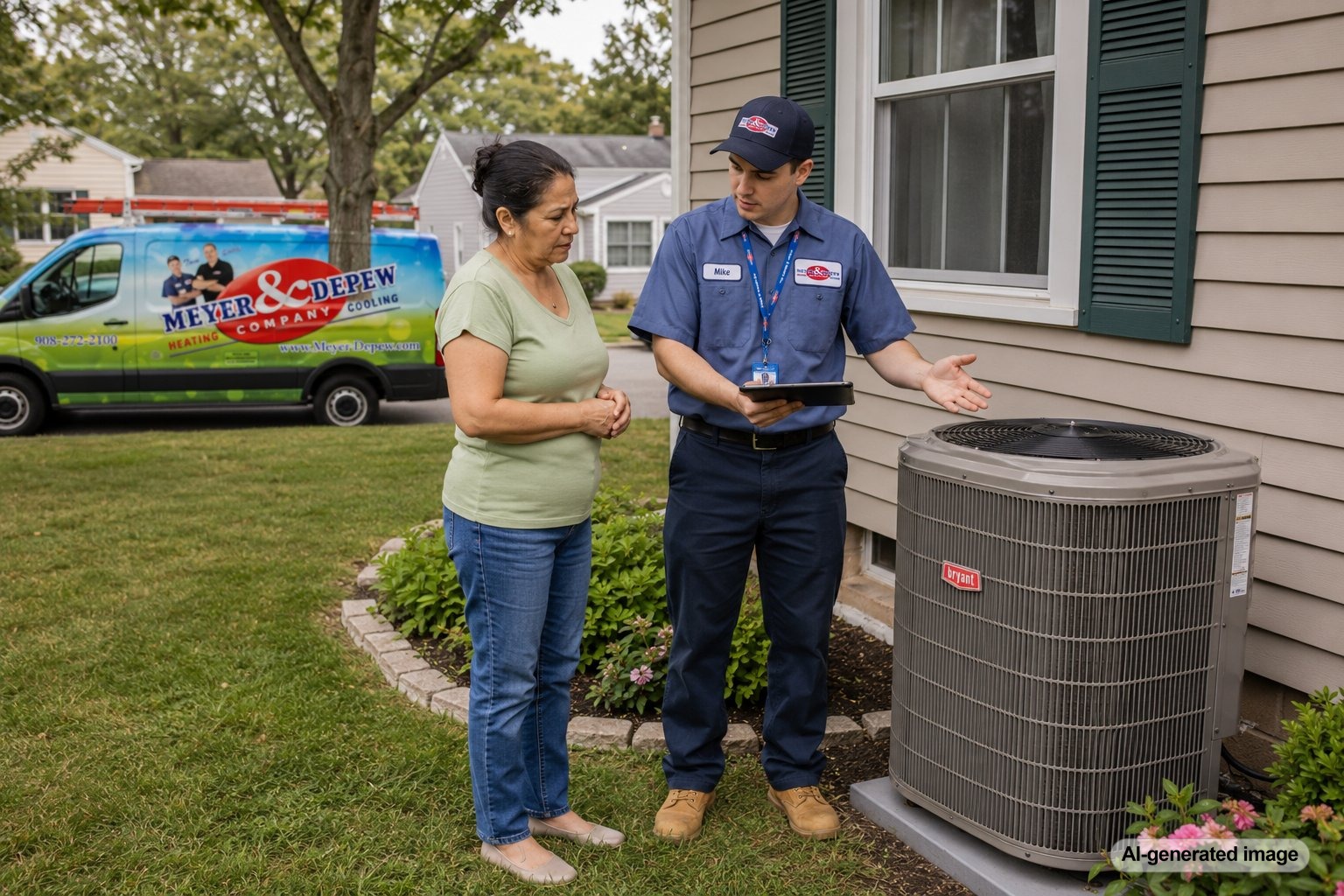
Your AC may cool the air quickly and still leave your home feeling damp, sticky, or uncomfortable. One common reason is short cycling, which means the system starts, runs briefly, shuts off, and then starts again before completing a normal cooling cycle. Because moisture removal takes time, these short bursts of operation can lower the temperature without giving the indoor coil enough time to collect and drain much humidity.
This problem can be especially noticeable during humid New Jersey summers. A properly operating system should balance temperature control with moisture removal. When that balance is lost, professional AC service and maintenance may be needed to identify the cause instead of simply lowering the thermostat.
An AC removes humidity when warm indoor air passes over a cold evaporator coil long enough for water vapor to condense. Short cycling reduces that contact time, so less moisture is collected and drained away.
- Brief cycles may cool the room before meaningful dehumidification occurs.
- Frequent starts and stops can point to airflow, thermostat, sizing, or equipment problems.
- A colder thermostat setting usually does not correct the underlying cause.
- Persistent short cycling should be evaluated by a qualified HVAC technician.
How AC dehumidification normally works
An air conditioner does more than remove heat. As the blower moves warm household air across the cold evaporator coil, the coil surface cools the air below its dew point. Water vapor then condenses into liquid, flows into the drain pan, and leaves through the condensate drain.
This process is gradual. The coil must become cold, air must continue moving across it, and enough condensation must form to reach the drain. During a normal cycle, the system may run long enough to remove both sensible heat, which affects the thermostat reading, and latent heat, which is associated with indoor moisture.
When a cycle lasts only a few minutes, the AC may satisfy the thermostat before it has removed much latent heat. The result can be a home that reaches the selected temperature but still feels clammy.
Why short cycles remove less moisture
Every cooling cycle begins with a startup period. The compressor starts, refrigerant conditions stabilize, and the evaporator coil cools. Moisture removal becomes more effective after the coil has remained cold for a sustained period.
If the system shuts off soon after reaching that point, the dehumidification window is very short. Some moisture left on the coil may also evaporate back into the air after the compressor stops, especially if the blower continues running. This does not mean every drop returns to the house, but it can reduce the net moisture removed during repeated brief cycles.
Longer, steadier operation generally gives the system more opportunity to collect condensation. That is one reason an appropriately sized, properly maintained AC often controls humidity better than a system that cools the space very rapidly and shuts down.
Common reasons an AC short cycles
An oversized cooling system
A system with more cooling capacity than the home needs may lower the temperature too quickly. The thermostat is satisfied before the equipment has completed a useful dehumidification cycle. Oversizing can be particularly noticeable on moderately warm but very humid days, when the home needs moisture removal more than rapid temperature reduction.
Proper AC sizing should account for the home’s square footage, insulation, windows, air leakage, orientation, ductwork, and other factors. Equipment capacity should not be selected by square footage alone.
Restricted airflow
A dirty filter, blocked return, closed supply vents, dirty coil, or duct restriction can interfere with airflow. In some cases, the evaporator coil may become excessively cold and trigger a safety control. The system may stop, restart later, and repeat the pattern.
Restricted airflow can also reduce comfort throughout the home. You may notice weak airflow, uneven temperatures, longer recovery times, or unusual changes in system sound.
Thermostat location or operation
A thermostat near a supply register, exterior door, sunny window, cooking area, or another source of rapid temperature change may receive a misleading reading. It can shut the AC off even though the rest of the home has not reached a balanced temperature or humidity level.
Loose connections, aging controls, incorrect settings, or thermostat problems can also contribute to irregular cycling. Electrical or control repairs should be handled by a qualified professional.
Dirty or malfunctioning equipment
Problems involving the outdoor coil, capacitor, compressor, refrigerant circuit, condensate safety switch, or other components may lead to brief or interrupted operation. The exact cause cannot be determined from cycle length alone, and homeowners should not open equipment panels or attempt electrical or refrigerant repairs.
Drainage or condensate safety issues
Many systems include a safety switch designed to stop cooling if condensate cannot drain properly. A clogged drain line, full drain pan, or drainage problem may interrupt operation to reduce the risk of water damage. If you see water around the indoor equipment, shut the system off if it is safe to do so and schedule service.
Signs that humidity control is suffering
A short-cycling AC does not always produce an obvious mechanical symptom. The first clues may appear in how the home feels.
- The thermostat reaches its setting, but rooms still feel sticky.
- Indoor humidity remains elevated for long periods.
- The AC starts and stops repeatedly within a short time.
- Windows, vents, or cool surfaces develop occasional condensation.
- Musty odors become more noticeable during humid weather.
- Bedding, upholstered furniture, or clothing feels slightly damp.
These symptoms can have more than one cause. Outdoor air leakage, inadequate ventilation, duct leakage, moisture from basements or crawl spaces, and household activities can all affect indoor humidity. A technician can evaluate the AC as part of the home’s broader comfort and moisture picture.
Safe checks homeowners can make
- Check that the thermostat is set to cooling and that the fan setting is on auto rather than continuously on.
- Inspect the air filter and replace it if it is dirty, using the correct size and type for the system.
- Make sure supply registers and return grilles are open and not blocked by furniture, curtains, rugs, or boxes.
- Look for obvious leaves, grass, or debris restricting airflow around the outdoor unit.
- Note how long the system runs and how frequently it restarts.
- Check for visible water near the indoor unit without opening panels or touching electrical components.
A continuous fan setting can sometimes reintroduce moisture from the wet evaporator coil after the compressor shuts off. Using the auto setting allows the blower to stop with the cooling cycle on many conventional systems. However, equipment and control strategies vary, so follow the manufacturer’s operating guidance or ask a technician about the best setting for your system.
Why lowering the thermostat may not help
Turning the thermostat several degrees lower may make the house colder, but it does not correct the reason the AC is short cycling. If the system is oversized, airflow is restricted, or a control is malfunctioning, a lower setting may lead to more energy use while leaving the underlying problem unresolved.
Very low indoor temperatures can also increase the chance of condensation on ducts, registers, or other cold surfaces when surrounding air is humid. The better approach is to determine why normal run time and moisture removal are not occurring.
When equipment sizing may be part of the problem
If an AC has struggled with humidity since installation, even when it was clean and mechanically sound, system sizing deserves attention. An oversized unit may produce strong bursts of cold air followed by long off periods. Rooms near supply registers can become cool quickly while more distant spaces remain less comfortable.
A qualified contractor can perform a load calculation and review duct capacity, airflow, equipment staging, thermostat controls, and the home’s moisture sources. Depending on the findings, possible solutions may include correcting airflow, changing control settings, improving duct performance, adding zoning where appropriate, or considering properly sized replacement equipment when the current system reaches the end of its useful life.
For homes with recurring room-to-room comfort concerns, options such as zoning systems may also be worth discussing. Zoning is not a universal fix for humidity or short cycling, but it can be part of a properly designed comfort strategy.
When to call an HVAC professional
Schedule professional service when the AC repeatedly runs for only a few minutes, indoor humidity remains uncomfortable, ice appears on refrigerant lines or the indoor coil, water collects near the equipment, breakers trip, or cooling performance changes suddenly.
A technician may evaluate filter condition, temperature change across the coil, blower performance, refrigerant operation, condensate drainage, thermostat behavior, electrical controls, equipment capacity, and duct airflow. The goal is to identify the reason for the cycling pattern rather than guessing based on one symptom.
Turn the system off and seek prompt help if you notice smoke, sparks, an electrical burning smell, significant water near electrical components, or another unsafe condition. Do not repeatedly reset a tripped breaker or bypass a safety switch.
Frequently asked questions
How long should an AC cycle run to remove humidity?
There is no single correct run time for every home. Cycle length depends on outdoor conditions, equipment size, thermostat settings, insulation, ductwork, and the cooling load. Repeated cycles lasting only a few minutes may warrant evaluation, especially when humidity remains high.
Can an oversized AC make a house feel humid?
Yes. An oversized system can cool the air so quickly that it shuts off before removing enough moisture. Other issues can cause the same symptom, so proper testing and a load calculation may be needed before concluding that size is the problem.
Should the thermostat fan be set to auto for humidity control?
For many conventional systems, auto is preferable because the blower stops when the cooling cycle ends. A continuously operating fan may evaporate some moisture from the coil back into the air. System designs differ, so confirm the appropriate setting for your equipment.
Can a dirty air filter cause short cycling?
A severely restricted filter can reduce airflow and contribute to coil icing, overheating, or safety shutdowns. Replace a dirty filter with the correct type, but schedule service if short cycling continues.
Will a dehumidifier fix AC short cycling?
A dehumidifier may help manage indoor moisture, but it does not repair an AC problem. The short cycling should still be diagnosed. In some homes, dedicated humidity control can complement a properly operating cooling system after the underlying issue is addressed.
Your AC needs adequate run time to remove moisture effectively. When it starts and stops too often, it may cool the home without delivering balanced humidity control. Simple checks such as inspecting the filter, opening vents, and using the thermostat’s auto fan setting can help rule out obvious issues, but persistent short cycling calls for professional evaluation.
Need help with your heating, cooling, or HVAC system?
Meyer & Depew serves homeowners and businesses throughout Central and Northern New Jersey.
Get a quote or call 908.272.2100.