



Why Higher Efficiency AC Systems Can Improve Humidity Control
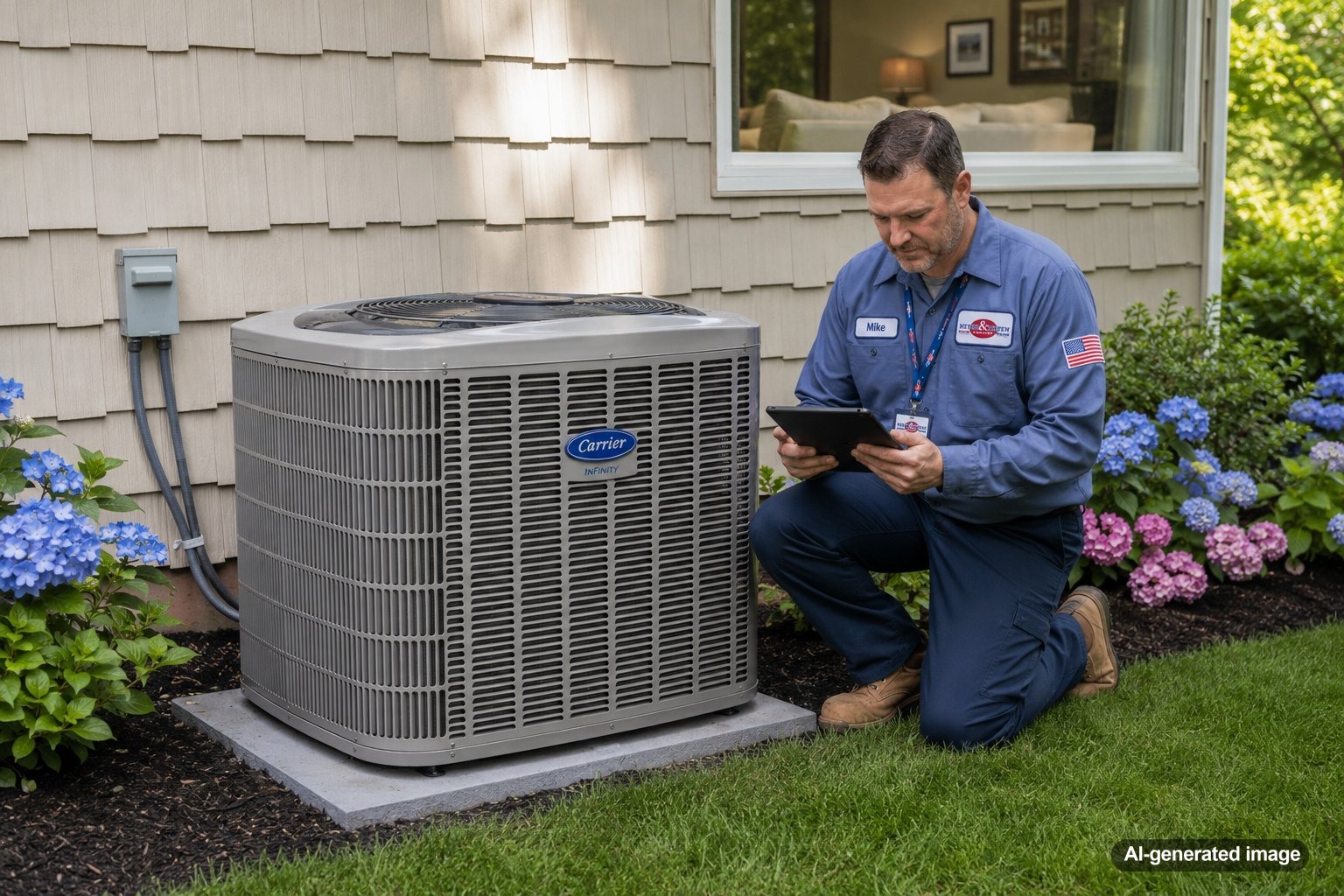
A higher efficiency AC system can improve humidity control by operating more steadily, matching its cooling output more closely to the home’s needs, and giving the indoor coil more time to remove moisture from the air. This can be especially valuable during humid New Jersey summers, when a home may feel sticky even though the thermostat shows a comfortable temperature. Efficiency alone does not guarantee better moisture removal, but the technologies commonly included in advanced systems can make temperature and humidity control more consistent.
Homeowners considering an upgrade should look beyond a system’s efficiency rating. Proper sizing, equipment staging, blower operation, duct performance, thermostat controls, and installation quality all influence whether a new system delivers the expected comfort. A qualified contractor can assess these factors while helping you compare AC installation and replacement options.
Higher efficiency AC systems may provide better humidity control when they include variable-speed or multi-stage technology, are correctly sized, and are configured to run at appropriate airflow levels.
- Longer, steadier cooling cycles allow more moisture to collect on the indoor coil and drain away.
- Variable-capacity equipment can reduce output instead of repeatedly turning fully on and off.
- Advanced blowers can adjust airflow to support moisture removal and quieter operation.
- Proper sizing helps prevent the short cycles that often leave a home cool but clammy.
How an AC System Removes Humidity
An air conditioner does two related jobs. It removes sensible heat, which lowers the temperature, and latent heat, which represents moisture in the air. As warm indoor air passes over the cold evaporator coil, water vapor condenses on the coil. That moisture then flows into the condensate pan and leaves through the drain system.
This process takes time. When an AC system runs for only a few minutes before shutting off, it may lower the temperature quickly without removing as much moisture as the home needs. Longer cycles generally provide more opportunity for condensation and drainage, assuming the equipment is operating correctly.
Humidity can also return to the air under certain conditions. For example, running the indoor fan continuously after the compressor shuts off may allow moisture remaining on the coil to evaporate back into the ductwork. Appropriate fan settings and system controls can help limit this effect.
Why Higher Efficiency Equipment Often Runs More Consistently
Traditional single-stage air conditioners operate at full capacity whenever cooling is needed. They turn on, deliver maximum output, and shut off when the thermostat reaches its setting. On mild or moderately warm days, that full output may cool the home so quickly that the system cannot complete a long moisture-removal cycle.
Many higher efficiency systems use two-stage or variable-capacity compressors. Instead of operating only at zero or 100 percent, they can reduce their cooling output when the home needs less capacity. This allows the system to run for longer periods while using less power at any given moment.
Those extended, lower-output cycles can support better dehumidification, steadier room temperatures, and fewer noticeable swings between warm and cold. They may also reduce the blast of air and abrupt equipment noise associated with frequent starts and stops.
Single-stage AC systems
A single-stage system can still provide effective cooling and humidity control when it is properly sized, installed, and maintained. Its main limitation is that it cannot reduce compressor capacity during lighter cooling conditions. This makes accurate sizing particularly important.
Two-stage AC systems
A two-stage unit usually operates at a lower capacity for routine cooling and switches to higher capacity during periods of heavier demand. The lower stage may produce longer cycles that help remove moisture without rapidly overcooling the home.
Variable-capacity AC systems
A variable-capacity system can adjust its output across a broader operating range. During many summer conditions, it may run at a low or moderate level for an extended period. This approach can provide precise temperature control while maintaining more continuous moisture removal.
Efficiency Rating and Humidity Control Are Not the Same Thing
A high efficiency rating describes how effectively equipment converts electricity into cooling under standardized test conditions. It does not, by itself, prove that the system will control humidity properly in a particular house.
Two systems with similar efficiency ratings may perform differently because of compressor design, blower controls, coil selection, installation settings, duct conditions, and thermostat capabilities. A basic high efficiency system that is oversized may provide worse humidity control than a correctly sized system with a lower published rating.
When comparing equipment, ask how the complete system will manage both temperature and moisture. The discussion should include load calculations, available capacity stages, indoor blower compatibility, thermostat communication, and any manufacturer-approved dehumidification settings.
Proper AC Sizing Is Critical
Oversizing is one of the most common obstacles to effective humidity control. An oversized air conditioner can drop the indoor temperature rapidly and satisfy the thermostat before enough water has condensed on the coil. The result may be a house that feels chilly, damp, or clammy.
Choosing equipment based only on the square footage of the home is not enough. A professional load calculation should consider insulation, windows, air leakage, orientation, ceiling height, occupancy, shading, and other characteristics that affect cooling demand.
Bigger equipment is not automatically better equipment. The goal is to select a system that can handle demanding summer conditions without being so large that it short cycles during normal weather. Correct sizing also helps protect efficiency, comfort, and equipment operation.
Variable-Speed Blowers Can Support Moisture Removal
The indoor blower determines how quickly air moves across the evaporator coil. In some systems, a variable-speed blower can adjust airflow based on cooling stage, duct conditions, and humidity-related controls.
Lower airflow during an approved dehumidification mode can make the evaporator coil colder, allowing additional moisture to condense. This adjustment must remain within the equipment manufacturer’s specifications. Excessively low airflow can contribute to coil freezing, reduced performance, or equipment damage, so blower settings should be configured by a qualified technician.
Variable-speed blowers may also improve comfort by gradually ramping up and down rather than immediately delivering full airflow. This can reduce drafts and make system operation feel less intrusive.
Other Factors That Affect Indoor Humidity
Even an advanced AC system cannot overcome every source of moisture by itself. Persistent humidity may be related to the building, ductwork, ventilation strategy, drainage conditions, or how the system is operated.
- Air leaks: Gaps around doors, windows, penetrations, attic access points, or recessed fixtures can allow humid outdoor air into the home.
- Duct leakage: Leaky return ducts in an attic, crawl space, basement, or garage may pull damp unconditioned air into the HVAC system.
- Blocked condensate drainage: A restricted drain can interfere with normal moisture removal and may lead to water around the equipment.
- Continuous fan operation: Leaving the thermostat fan set to ON may reintroduce moisture from the coil after a cooling cycle. AUTO is often more appropriate unless a professional recommends another setting.
- Ventilation: Outdoor air introduced without proper conditioning can increase the home’s moisture load.
- Household activities: Cooking, bathing, drying clothes indoors, and unvented appliances can add moisture faster than the AC system removes it.
- Basements and crawl spaces: Ground moisture, seepage, or poor drainage can affect humidity throughout the house.
Homes with significant moisture sources may require air sealing, duct repairs, drainage improvements, ventilation changes, or a dedicated dehumidifier in addition to AC upgrades. Meyer & Depew’s air quality and comfort services can help homeowners explore related indoor comfort concerns.
Signs Your Current AC May Not Be Controlling Humidity Well
One muggy afternoon does not necessarily indicate an equipment problem. Outdoor conditions, open doors, showers, cooking, and temporary changes in occupancy can all affect moisture levels. Recurring symptoms deserve closer attention.
- The thermostat reaches its setting, but rooms still feel sticky or clammy.
- The AC turns on and off frequently instead of running steady cycles.
- You lower the thermostat because the home does not feel comfortable at the normal setting.
- Some rooms feel noticeably more humid than others.
- Windows, supply registers, or cold surfaces develop repeated condensation.
- Musty odors return during humid weather.
- The system cools quickly but indoor humidity remains elevated.
These symptoms do not identify a single cause. They may point to equipment sizing, airflow restrictions, thermostat settings, duct leakage, drainage issues, moisture intrusion, or other conditions. A professional evaluation can separate an AC performance problem from a broader building moisture issue.
Safe Checks Homeowners Can Make
- Make sure the thermostat is set to COOL and the fan is set to AUTO.
- Inspect the air filter and replace it if it is dirty and replacement is appropriate for your system.
- Confirm that supply registers and return vents are open and not blocked by furniture, rugs, or stored items.
- Look for obvious leaves or debris restricting airflow around the outdoor unit.
- Note how frequently the system starts and stops and whether the humidity problem affects the entire home or specific rooms.
- Check for visible water around the indoor equipment without opening panels or attempting to clear internal components.
Do not adjust refrigerant, alter blower speed, open sealed equipment, bypass safety controls, or attempt electrical repairs. Schedule professional service if the system is short cycling, leaking water, failing to cool, producing unusual odors, or repeatedly leaving the home uncomfortable.
Questions to Ask When Comparing Higher Efficiency AC Systems
A productive replacement conversation should focus on how the proposed equipment will perform in your home rather than relying on efficiency ratings alone. Consider asking the contractor:
- Will you complete a cooling load calculation before recommending capacity?
- Is the system single-stage, two-stage, or variable-capacity?
- How will the compressor and indoor blower work together at lower cooling loads?
- Does the thermostat measure or respond to indoor humidity?
- Are there approved dehumidification settings for this equipment combination?
- Will the existing ductwork support the required airflow?
- Could duct leakage or outside air infiltration be contributing to the current problem?
- Would a dedicated whole-home dehumidifier be appropriate for this house?
The answers should reflect the home’s actual characteristics. Equipment selection, controls, ductwork, and installation must function as one system.
When a Dedicated Dehumidifier May Still Be Helpful
A properly selected higher efficiency AC system may improve summertime humidity control, but some homes carry moisture loads that cooling equipment cannot address consistently. This can happen during mild, rainy weather when the home needs dehumidification but very little cooling.
Basements, tightly constructed homes, buildings with ventilation requirements, and properties with recurring moisture infiltration may benefit from a dedicated dehumidifier. Unlike an air conditioner, a dehumidifier can remove moisture without depending on a strong demand for cooling.
A contractor should evaluate the source of the humidity before recommending additional equipment. Installing a dehumidifier without correcting water intrusion, duct leakage, drainage problems, or uncontrolled outdoor air may address the symptom without resolving the underlying issue.
When to Call an HVAC Professional
Professional service is appropriate when humidity problems continue despite basic thermostat, filter, and vent checks. It is also wise to schedule an evaluation when the AC short cycles, rooms cool unevenly, the indoor coil freezes, the condensate system leaks, or the equipment does not maintain temperature during normal summer weather.
A technician can inspect system operation, temperature change across the coil, airflow, electrical performance, refrigerant-related conditions, blower settings, drainage, thermostat configuration, and visible duct concerns. If replacement is being considered, the evaluation should also include system sizing and a review of the home’s comfort priorities.
Frequently Asked Questions
Will every high efficiency AC system lower indoor humidity?
No. A higher efficiency system may improve humidity control when it has appropriate staging or variable-capacity technology, correct airflow, proper sizing, compatible controls, and quality installation. An oversized or poorly configured system can still leave a home humid.
What indoor humidity level should I aim for during summer?
Many people are comfortable when indoor relative humidity stays within a moderate range, but the appropriate target can vary with temperature, building conditions, personal comfort, and moisture-sensitive materials. A qualified professional can help interpret repeated readings rather than relying on a single measurement.
Does lowering the thermostat remove more humidity?
It may make the system run longer temporarily, but repeatedly lowering the temperature is not an efficient solution to an underlying humidity problem. It can leave the home colder than desired while failing to address oversizing, airflow, duct leakage, or moisture infiltration.
Can a smart thermostat improve humidity control?
A compatible thermostat may monitor relative humidity and coordinate approved dehumidification functions with certain HVAC systems. It cannot correct improper equipment sizing, inadequate drainage, duct problems, or an incompatible blower and compressor combination.
Should the HVAC fan be set to ON or AUTO in humid weather?
AUTO is often preferable because the blower stops after the cooling cycle. With the fan set to ON, air may continue passing over a wet coil and carry some moisture back into the home. System-specific recommendations can vary, so follow professional guidance for your equipment.
Higher efficiency AC systems can improve humidity control when advanced compressor and blower technologies create longer, steadier cooling cycles. The best results depend on proper sizing, compatible controls, sound ductwork, correct setup, and an installation designed for the home’s actual cooling and moisture loads.
Thinking about replacing or upgrading your HVAC system?
Meyer & Depew can help you understand your options for comfort, efficiency, and long-term reliability in your New Jersey home or business.
Questions? Contact Meyer & Depew or call 908.272.2100.